
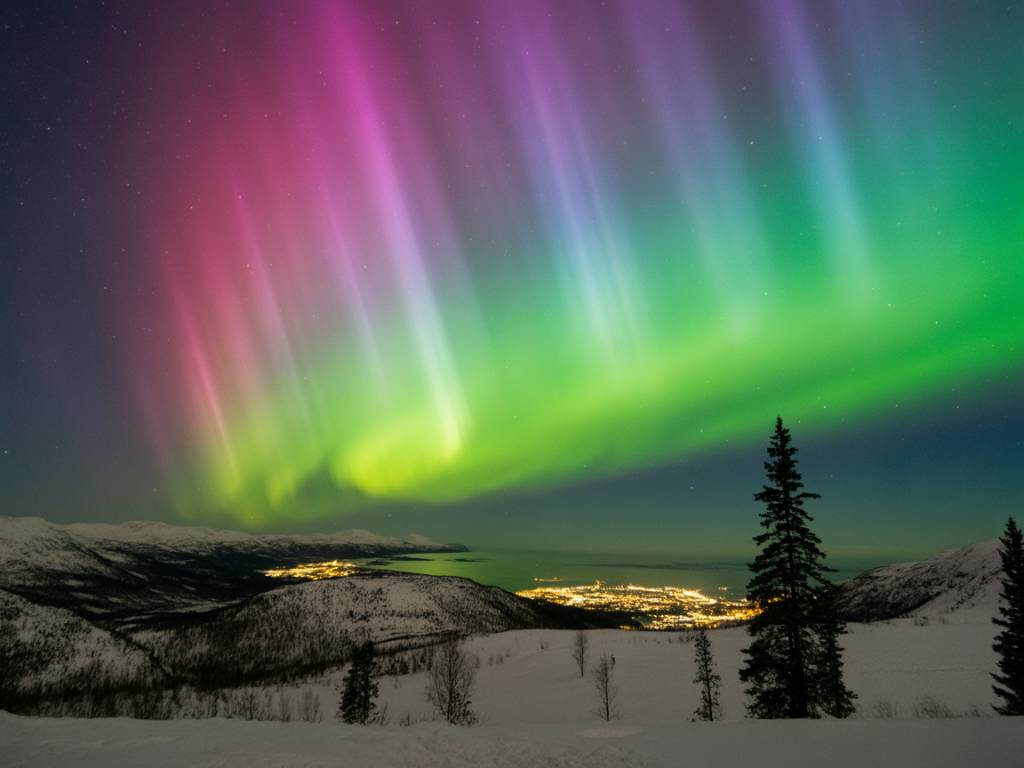
Understanding the Three Key Factors: Cloud Cover, Moonlight, and the KP Index
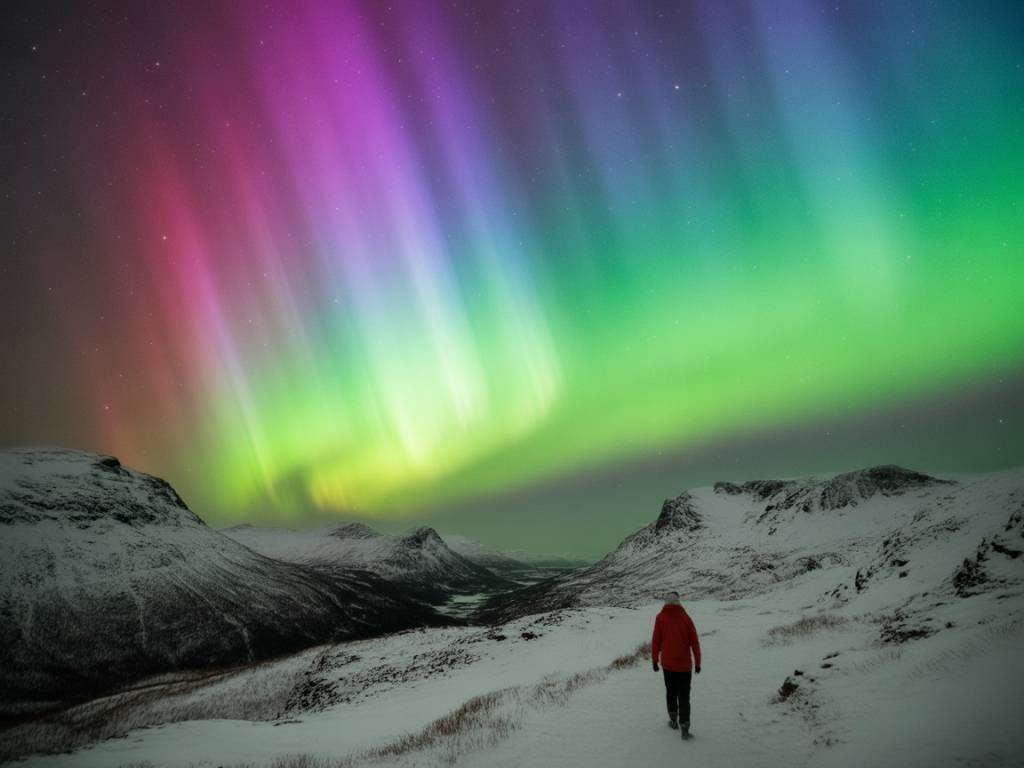
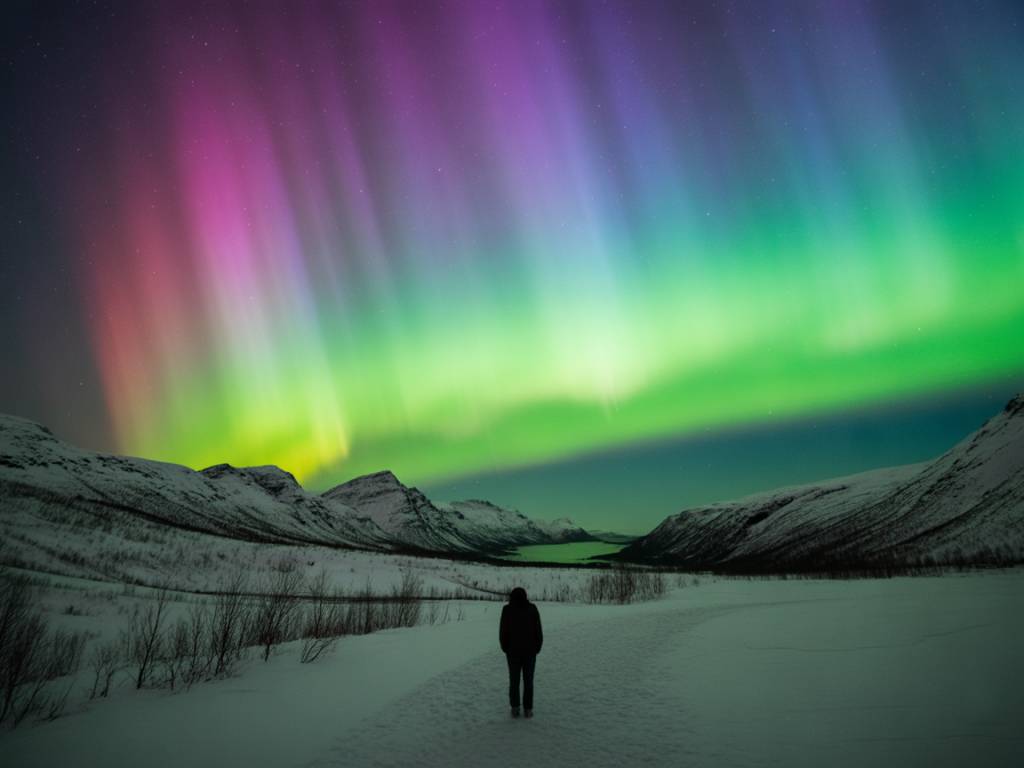
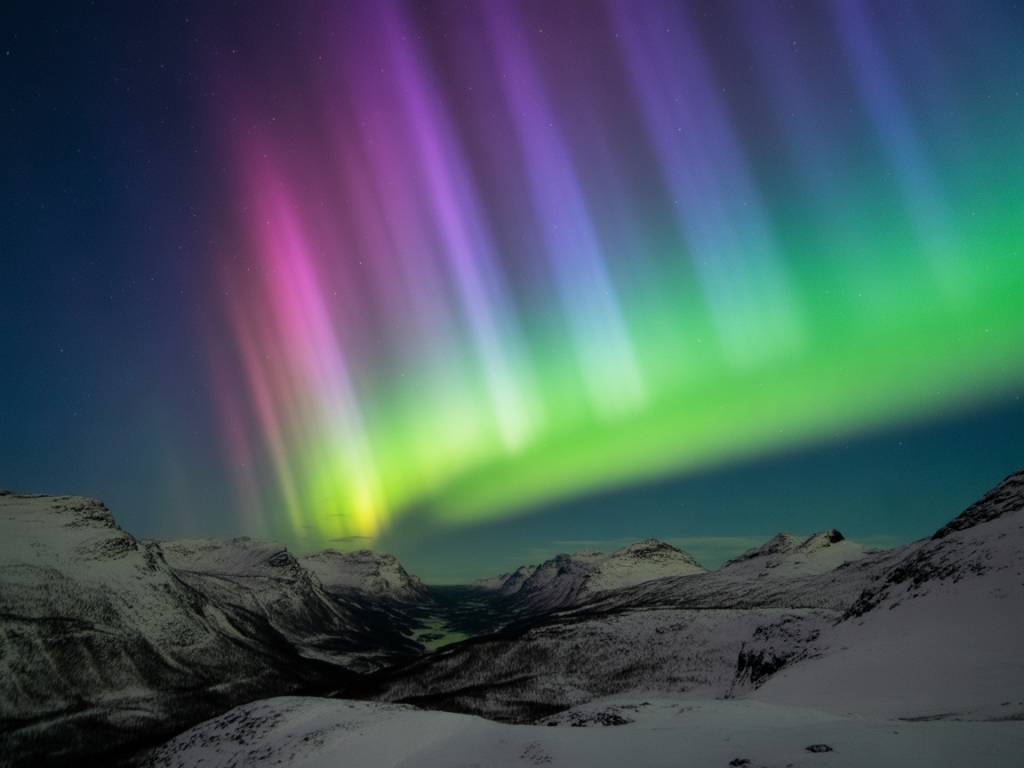
Predicting the best northern lights viewing night near a city is both an art and a practical exercise in reading the sky. The aurora borealis is a natural light display caused by charged particles from the Sun interacting with Earth’s magnetic field, but what you actually see from the ground depends on several local conditions. Three of the most important are cloud cover, moonlight, and the KP index. When these three factors align, your chances of seeing the northern lights improve dramatically, even from urban areas or city edges where light pollution can reduce contrast.
If you want to plan a successful aurora trip, you need to think beyond solar activity alone. A strong geomagnetic storm can still be hidden by thick clouds. A clear sky can still feel disappointing if a bright full Moon washes out faint auroral arcs. And a low KP index may be enough for a city only when the aurora is unusually bright or the sky is exceptionally dark. The best northern lights forecast combines all three variables into one practical viewing strategy.
What Cloud Cover Means for Northern Lights Visibility
Cloud cover is often the biggest barrier to aurora viewing. No matter how active the aurora is, clouds block the view completely when they are thick and widespread. This is especially important near cities, where you are already dealing with skyglow from streetlights, buildings, and traffic. Even thin clouds can soften the contrast of auroral curtains and make color details harder to see.
For aurora hunting, the most useful forecast is not just whether the sky is “partly cloudy,” but where the clouds are expected to be and at what time. A city may be overcast at sunset, then clear by midnight. Or the reverse may happen. Local weather models that show hourly cloud cover are far more useful than a single daily forecast. High-resolution forecasts can help you decide whether to stay in town, drive to a darker suburb, or wait for a clearing further north.
When looking at cloud cover data, pay attention to these points:
For city-based aurora viewing, a break in the clouds is often enough to turn a poor forecast into a successful night. Patience matters. If the KP index is elevated and the sky opens for just 20 minutes, that window may be all you need.
Why Moonlight Changes the Northern Lights Experience
Moonlight is another major factor, especially when you are trying to see the northern lights near a city. The Moon does not prevent auroras from appearing, but it can significantly reduce the visual impact of faint displays. A bright full Moon adds natural illumination to the sky, which raises the overall background brightness and makes weak auroral structure harder to detect with the naked eye.
This effect is strongest when the aurora is low on the horizon or when the display is mostly green and subtle. In those conditions, a moonlit sky can make the difference between seeing a faint glow and missing the display altogether. On the other hand, a strong aurora can still look impressive under moonlight, especially if you are watching for moving rays, arcs, or pulses rather than expecting deep contrast.
The Moon’s phase and position matter. A full Moon high in the sky is the most challenging situation for aurora hunters. A waxing crescent or waning crescent is much less disruptive. The Moon also rises and sets, so a bright moonlit evening may become a darker and more favorable night later on. This is why hourly planning is so important.
To evaluate moonlight properly, consider these practical points:
Photographers often work around moonlight by adjusting exposure settings, but for casual observers, the key is contrast. Darker skies make the aurora easier to notice, and that is particularly important in urban and suburban environments.
How the KP Index Helps Predict Auroras Near Cities
The KP index is one of the most commonly used tools in aurora forecasting. It measures geomagnetic activity on a scale from 0 to 9, with higher numbers indicating stronger disturbances in Earth’s magnetic field. In simple terms, a higher KP value usually means the auroral oval expands farther south, increasing the chance of visibility from cities located at lower latitudes.
However, the KP index should never be used alone. It is useful, but it is not a guarantee. A KP 5 forecast may be exciting, yet cloud cover can still ruin the night. A KP 3 event can produce a great display in a northern city if the sky is dark and clear. The meaning of any KP value depends heavily on your location.
For city viewing, the KP index is best understood as a geographic guide. A city at a high latitude may see auroras on quieter nights, while a city farther south generally needs a stronger geomagnetic event. If you live near a northern urban area, even a moderate KP level can be enough to produce visible glows, vertical beams, or arcs stretching across the northern horizon.
Here is a useful way to think about KP values near cities:
Many people search for “best KP index for northern lights,” but the real answer depends on cloud cover, moon phase, and local light pollution. A moderate KP level under excellent sky conditions may outperform a high KP forecast under poor weather.
Combining Cloud Cover, Moonlight, and KP Index for a Better Forecast
The smartest approach is to combine all three factors into one viewing decision. Think of it as a simple filter. First, ask whether the sky will be clear enough to see anything at all. Then ask whether moonlight will reduce contrast. Finally, check whether the KP index is high enough for your location. When all three line up, your odds improve significantly.
A strong aurora forecast near a city usually needs the following balance: low cloud cover, a dark or lightly moonlit sky, and a KP index appropriate for your latitude. If one element is weak, the others must compensate. For example, a KP 6 event may still be visible through thin moonlit clouds, but it may not look dramatic. A KP 4 night with a New Moon and clear skies could be much more rewarding visually.
Many aurora apps and websites display these factors separately, but you should interpret them together. Look for hourly cloud forecasts, moonrise and moonset times, and the expected geomagnetic activity window. The best aurora nights are often not the ones with the highest KP number. They are the nights when the sky is dark, clear, and active at the same time.
A practical decision-making method can look like this:
Best Viewing Spots Near Cities for Northern Lights Hunting
Near a city, location choice matters almost as much as the forecast itself. Light pollution can weaken faint auroral structure, so moving even a short distance away from bright districts can improve visibility. Parks, waterfronts, ridgelines, and open fields often work better than downtown areas. You want an unobstructed northern horizon and the least artificial light possible.
If you cannot leave the city completely, seek places with reduced skyglow. Industrial areas may be darker than central streets. Large parks can provide better openness, though local lighting can still interfere. Suburbs on the outer edge of the urban area are often a good compromise between access and darkness.
For better results, bring equipment that helps you stay comfortable and prepared. Aurora viewing often involves long waits in cold conditions, and the best display may happen unexpectedly.
People who regularly chase the northern lights often buy specialized gear because comfort and preparedness increase the chance of staying outside long enough to witness an active display. That is especially true near cities, where short bursts of visibility may require quick response and persistence.
Reading the Forecast Like an Aurora Observer
To predict your best northern lights viewing night near the city, you need to read the forecast with a skywatcher’s mindset. A high KP index is exciting, but it is not enough. Clouds matter first. Moonlight matters next. Then geomagnetic activity tells you whether auroras are likely to reach your location.
The strongest forecasts often come from combining weather apps, aurora alert services, and moon phase calendars. If the cloud forecast shows a clear gap between 10 p.m. and 2 a.m., the Moon is below the horizon, and the KP index is expected to rise during the same period, that is the kind of night worth planning around. If the KP index is strong but clouds are thick, you may need to wait for another opportunity or drive to a clearer microclimate.
It also helps to remember that the aurora is dynamic. It can brighten within minutes. It can fade quickly. A quiet sky at 9 p.m. does not rule out a spectacular surge later in the evening. This is why regular monitoring is essential. Keep checking updated forecasts throughout the night, especially if conditions are borderline.
Practical Signs That a Northern Lights Night Is Worth Your Time
Some forecast combinations are clearly better than others. When you see them, it is worth stepping outside, even if the city lights are still visible on the horizon. A night with partial cloud cover, a dark Moon phase, and a KP index of 4 or higher can be excellent for high-latitude cities. Stronger geomagnetic storms can make even suburban areas viable.
Watch for these encouraging signs:
The more these factors overlap, the better your odds. Near a city, the difference between a mediocre night and a memorable aurora display often comes down to timing, darkness, and persistence.
Making the Most of Your Next Aurora Opportunity
Learning to combine cloud cover, moonlight, and the KP index gives you a much stronger advantage when chasing the northern lights near a city. It turns a general interest in aurora borealis forecasts into a practical method for choosing when and where to watch. You do not need perfect conditions every time. You need the right balance of sky clarity, darkness, and geomagnetic activity.
That balance is what creates the best northern lights viewing night. Sometimes it will be a quiet, moonless evening with clear weather and a modest KP forecast. Sometimes it will be a stronger geomagnetic storm that cuts through a little light pollution. The key is learning how to read the full picture, not just one number or one weather icon.
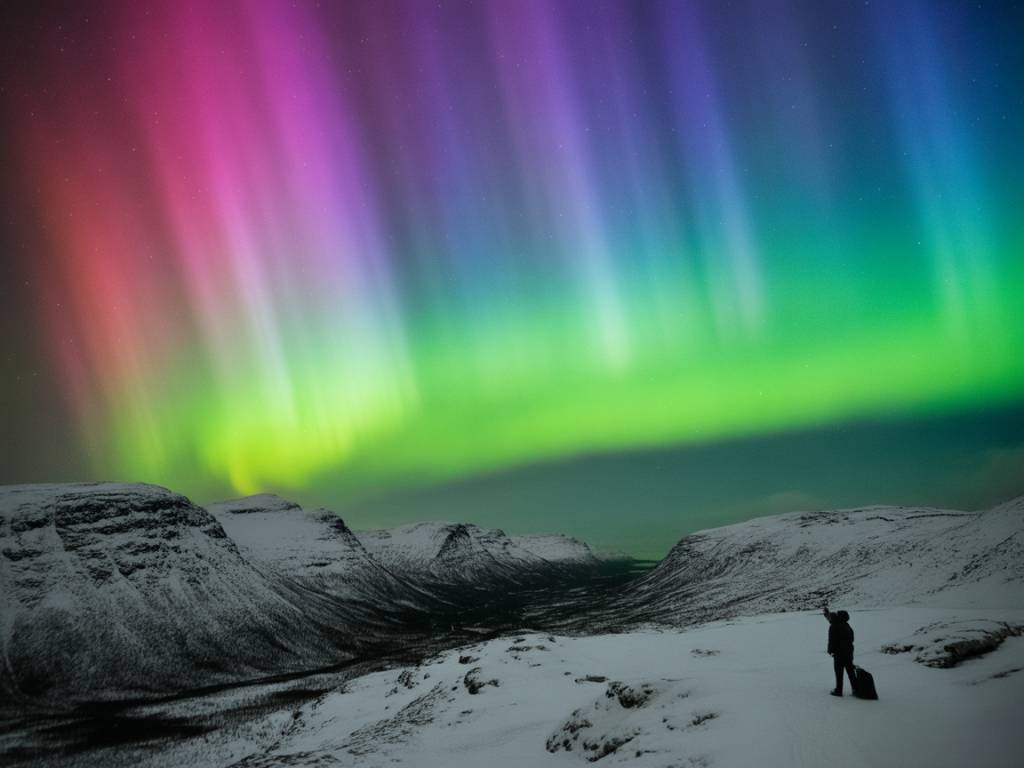
With the right forecast tools, a good viewing location, and a little patience, you can dramatically improve your chances of seeing the aurora from near a city. And when the sky opens, the Moon stays low, and the KP index climbs at just the right moment, the northern lights can become one of the most memorable natural displays you will ever witness.