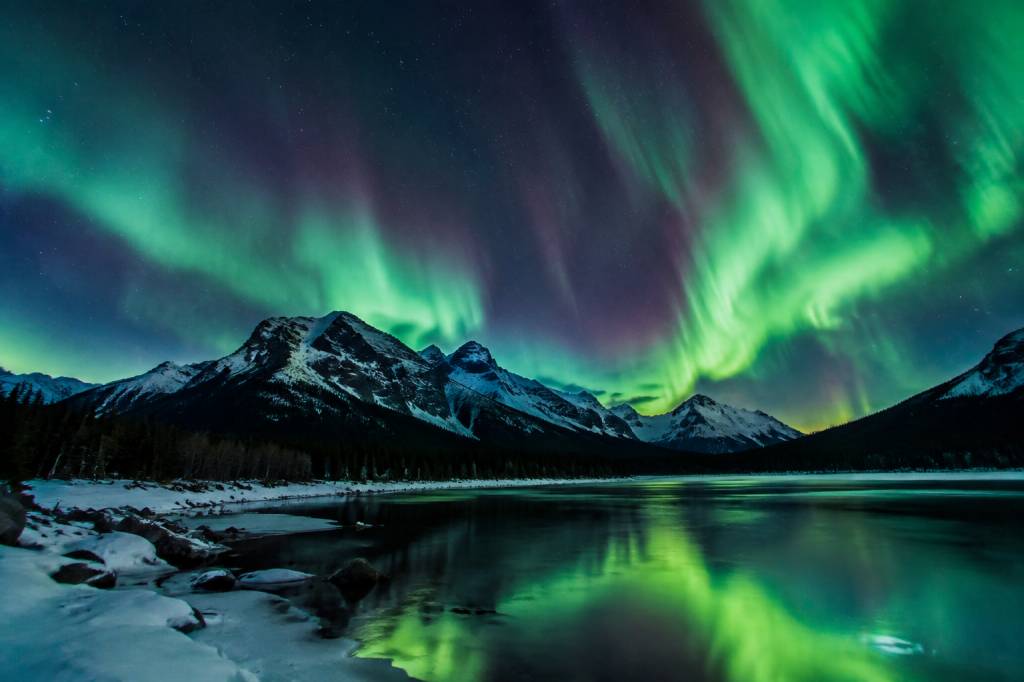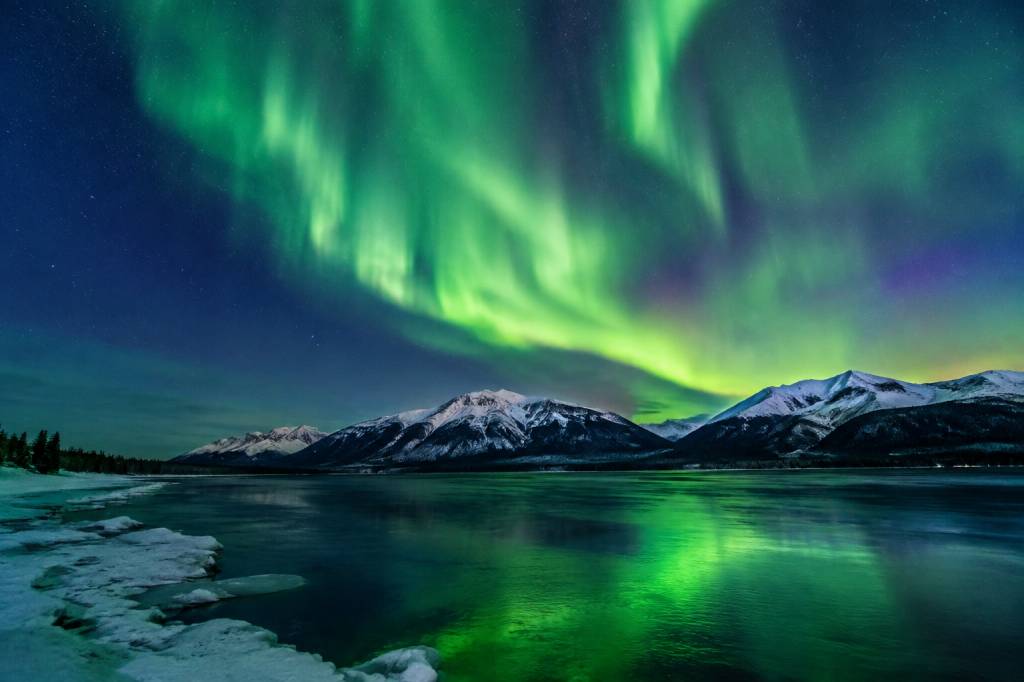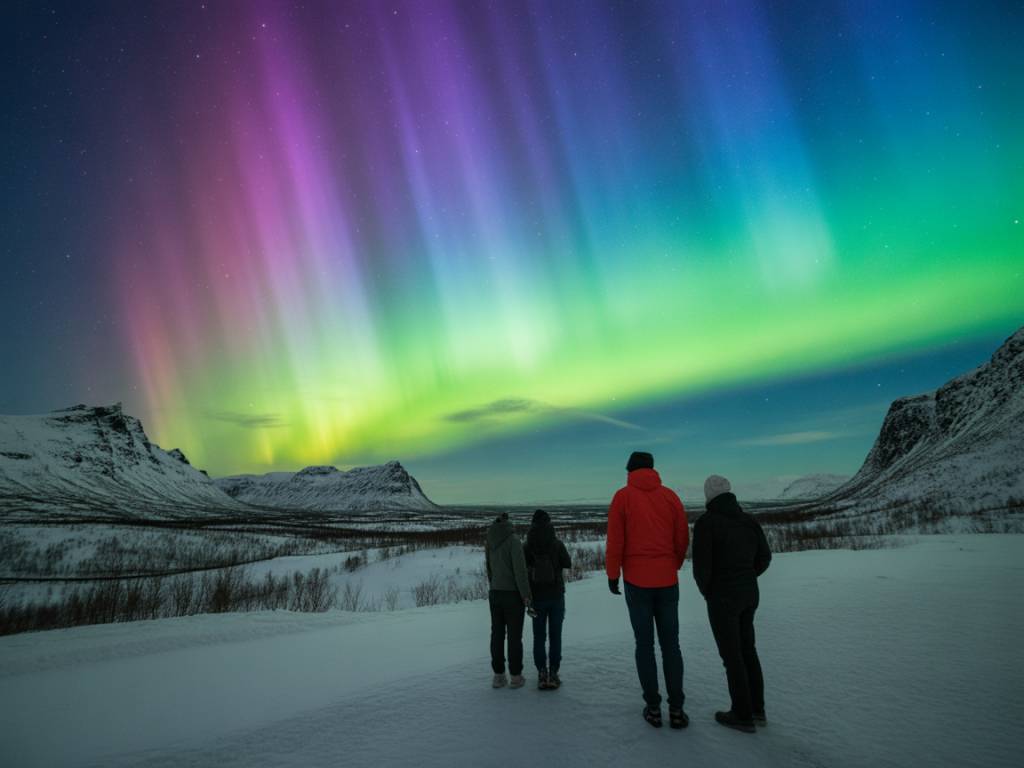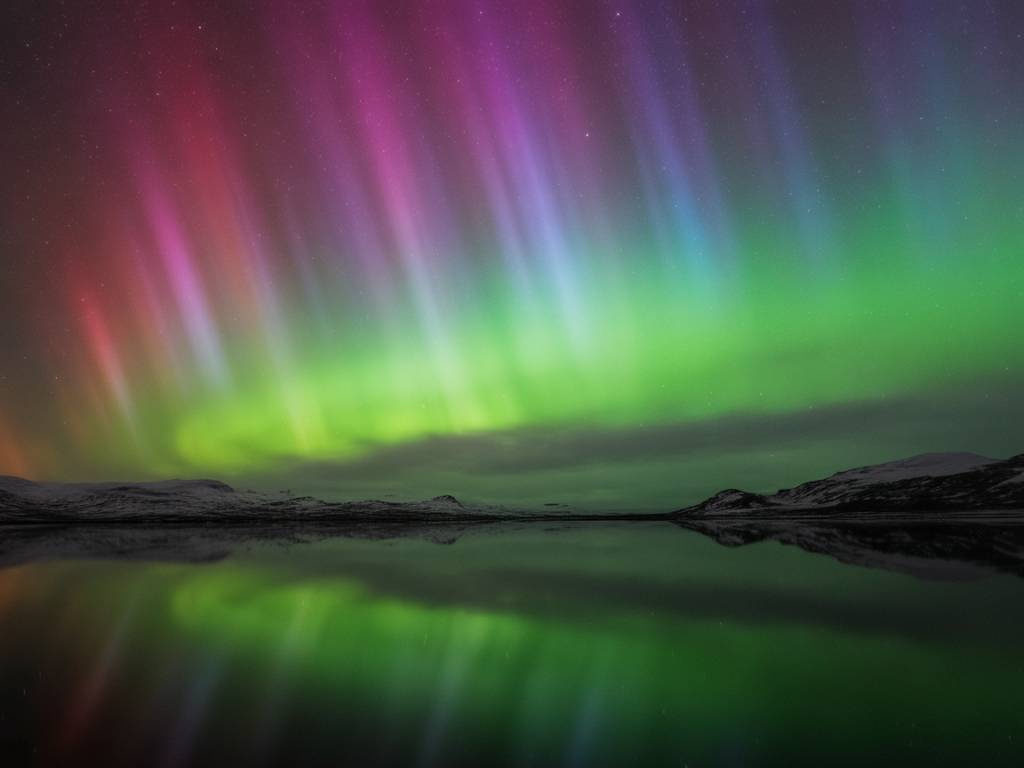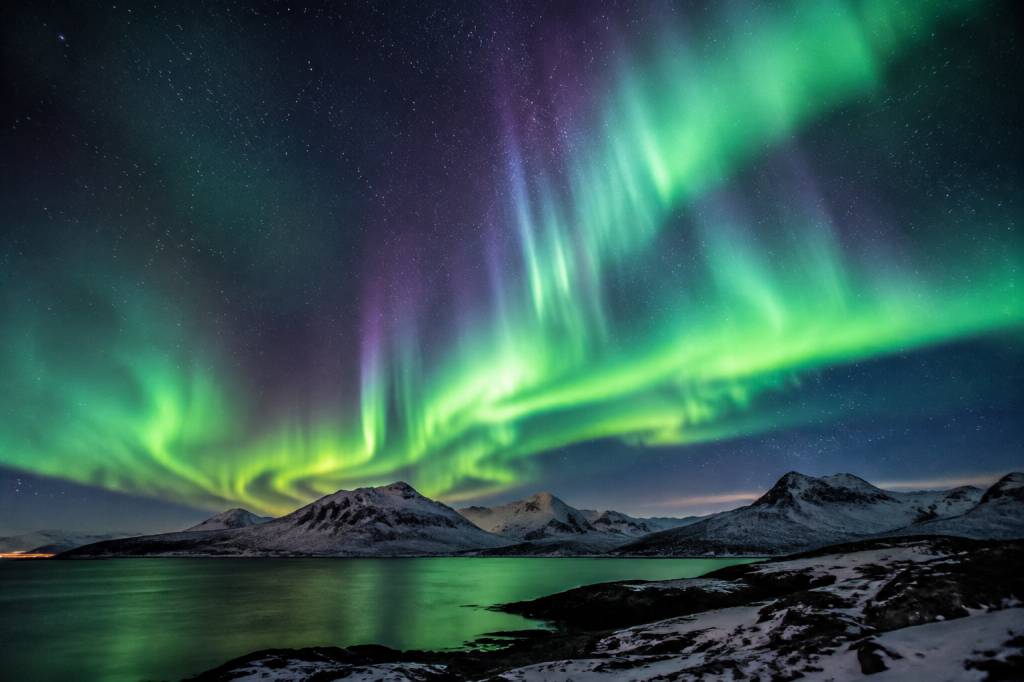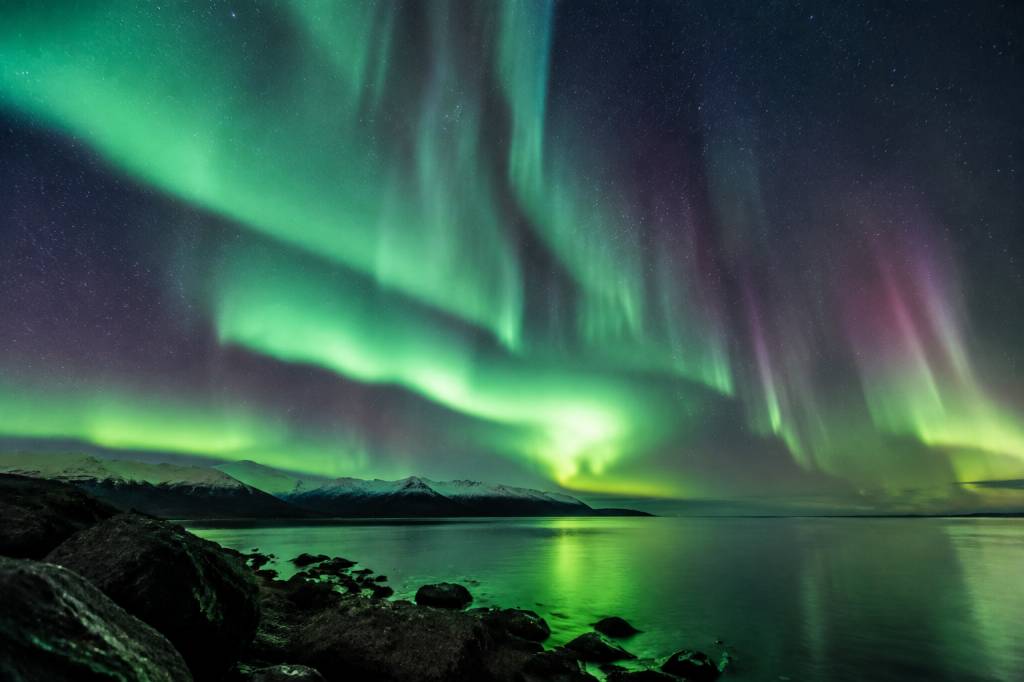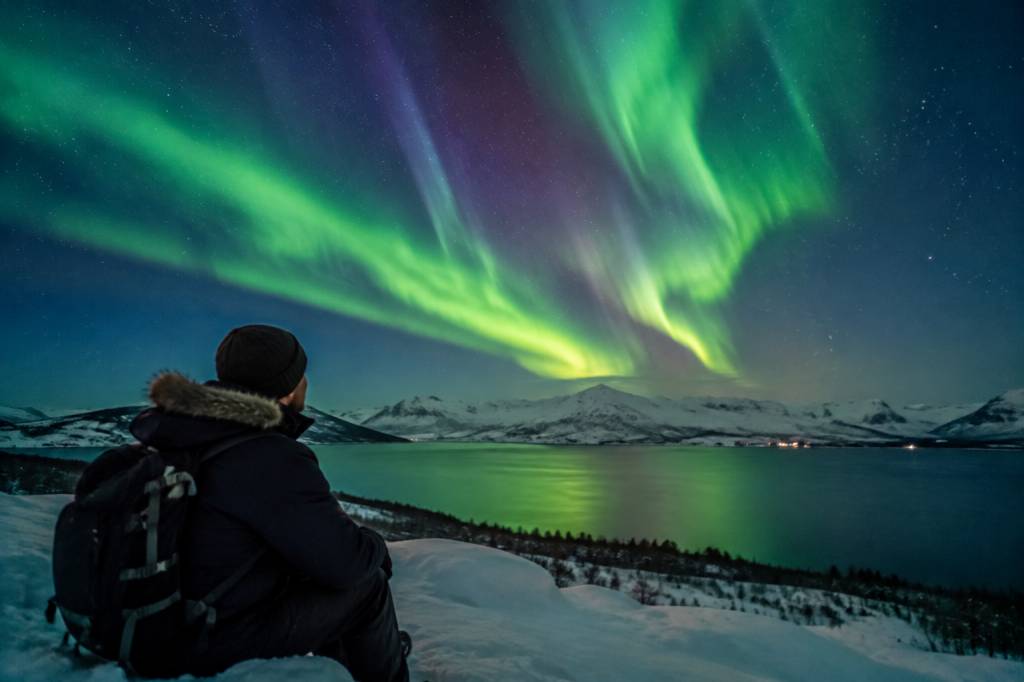

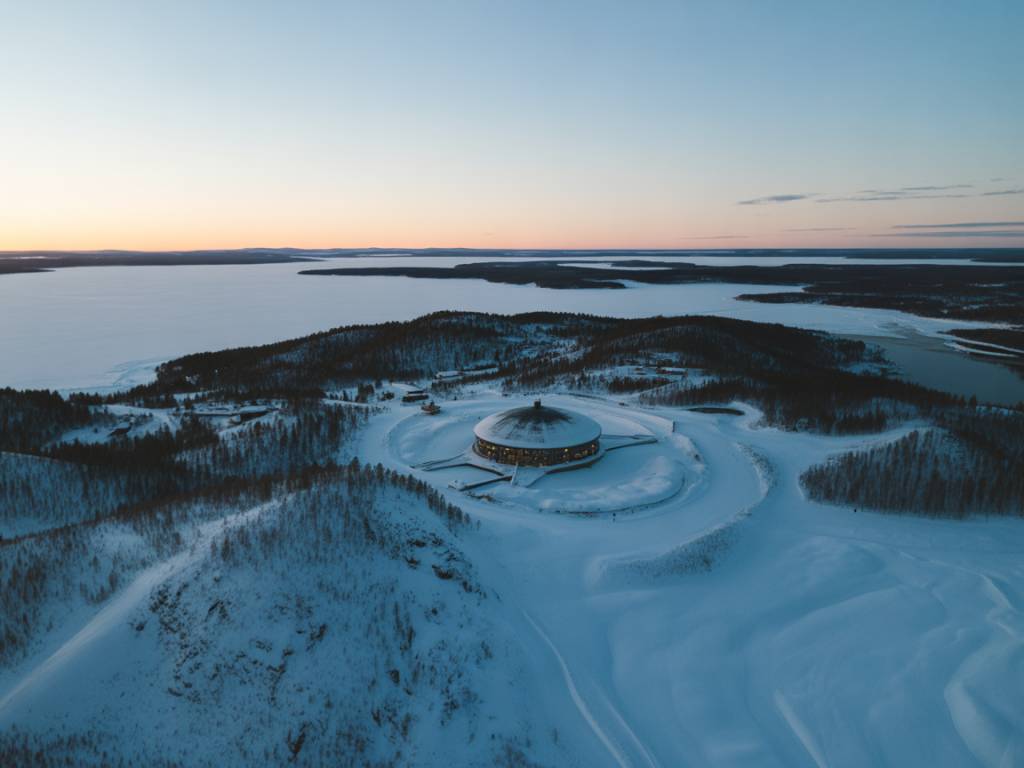
Rovaniemi in winter is often sold as “Santa’s hometown”. That’s true, but if you’re reading this blog, you’re probably also wondering: is it a good base for northern lights, and what is there to do while you wait for the sky to clear? The short answer: yes, it works very well if you know where to go and how to use your time.
Understanding winter in Rovaniemi
Before listing places, it helps to understand what a typical winter day looks like here. It will change the way you plan your activities and your aurora hunts.
From December to February, daylight is short. Around Christmas, you’ll get roughly 3–4 hours of dim daylight, more like a long twilight. From late February into March, you gain more usable light, which makes outdoor activities and photography easier.
Temperatures commonly sit between –5°C and –20°C. You can get colder snaps down to –30°C. Add humidity by the river and light wind on the hills, and it can feel harsher than the number suggests. For aurora hunters, that means you must think in “time blocks”: 30–45 minutes outside, 10–15 minutes warming up, and repeat.
The good news: Rovaniemi has reliable snow cover, plenty of heated indoor spaces, and easy access to darker areas within a 15–30 minute drive from the city. That combination is why I often recommend it to first-time aurora travellers who don’t want to be stuck in a tiny village with nothing to do during cloudy spells.
Santa Claus Village: more than a postcard stop
Yes, it’s touristy. Yes, it’s commercial. But Santa Claus Village, about 8 km north of central Rovaniemi along the E75, is still worth a winter visit, especially if you travel with kids or you want that “I crossed the Arctic Circle” photo.
What you can actually do there:
- Cross the Arctic Circle line: The white line on the ground is clearly marked, with coordinates on signs. In winter, it’s lit and easy to spot even in low light.
- Visit the Santa Claus Main Post Office: This is the place to send postcards with the special Arctic Circle postmark. If you want to schedule a postcard for next Christmas, you can do that too.
- Meet Santa indoors: The queues can be long at peak times (late morning to mid-afternoon), but if you go early or later in the day, it’s manageable. Photography is controlled by the in-house photographers, so don’t be surprised by the upsell.
- Short reindeer and husky rides: These are more “taster” experiences than serious safaris, but useful if you’re not booking longer tours.
From an aurora perspective, Santa Claus Village is still too bright for serious photography, but on strong KP (4+ and clear skies) you can occasionally see the lights above the trees. If you’re staying in one of the glass igloos or cabins nearby, you may catch the aurora from your accommodation, but for cleaner skies I’d still drive or join a tour out of town.
Arktikum and other museums: your weather backup plan
Rovaniemi’s main cultural attraction is Arktikum, just north of the city center along the Ounasjoki river. If the cloud cover maps are full of white and the KP index is low, this is where I’d send you.
Inside Arktikum you’ll find two main things:
- Exhibits about Arctic nature and climate: Clear, well-explained displays on seasons, animals, snow, ice and the changing environment. Helpful if you like to understand the landscape you’re walking on.
- History and culture of the Sámi and Arctic peoples: Traditional clothing, tools, stories and modern issues. It gives context to reindeer herding and the landscapes you see on tours.
Practical notes:
- The building is long and mostly indoor, perfect for a half-day when it’s –25°C outside.
- The café is a good warm-up spot between outdoor walks by the river.
- Look up: from outside, the long glass roof stands out under snow and dusk light; it’s also an interesting photo subject even in bad weather.
Nearby, the Pilke Science Centre (forest and wood, with interactive exhibits) and the Korundi House of Culture (art museum and concert hall) provide additional indoor options. Together, they fill a full non-aurora day without you feeling you’re just killing time.
Rovaniemi as a base for northern lights hunting
Rovaniemi is a medium-sized town with light pollution, but you don’t need to drive far to escape it. This is where my meteorology background and map obsession usually kick in: I look at cloud cover forecasts, wind direction, and snow conditions, then pick a direction with the best “dark sky per minute of driving”.
Here are some practical options if you’re mobile or if you join organized tours.
Close-to-town aurora spots
If you don’t have a car and you want a first “test night” without committing to a long tour, these are realistic starting points.
- Ounasvaara hill: East side of the city, across the river. You can reach it by bus or taxi, then walk short forest paths to viewpoints. The lights of the city are still visible, but you get darker skies above the treeline. Good for short walks and quick returns to warmth (hotels, ski centre cafe when open).
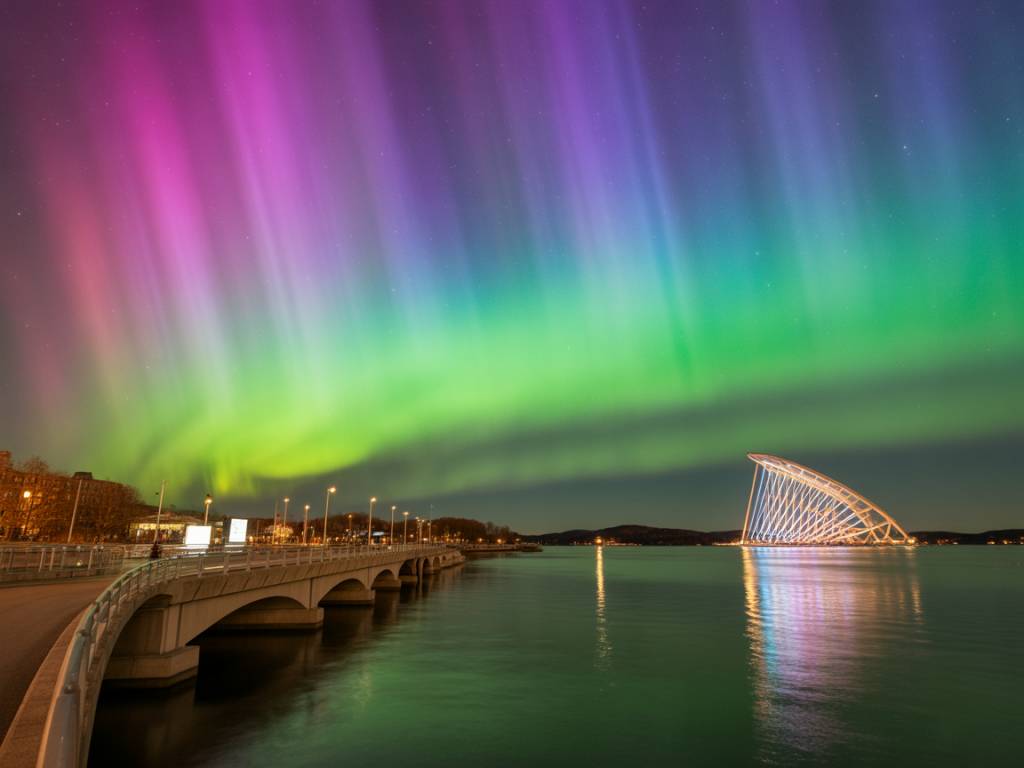
- Riverbanks around Jätkänkynttilä Bridge: In the very center, you won’t get perfect darkness, but on strong aurora nights you can still see arcs above the bridge. This is the easiest option if you just step out from your hotel at night to check the sky.
These spots are more about “quick checks” and casual viewing. For serious photography or higher chances on marginal KP nights, I recommend going further.
Dark-sky areas within 30–60 minutes
With a rental car or an organized tour, your options open up fast.
- Roads towards Vikajärvi and the Arctic Circle Hiking Area (north-east): In 30–40 minutes from the city, you’re in much darker territory. Parking lay-bys along the main road and small side roads give you clear northern horizons. Many local aurora tours use this direction because it’s usually slightly drier and clearer than the western side when winds blow from the Atlantic.
- Road to Ranua (south): Less hilly but still dark once you leave the city lights behind. On nights with northern wind or when cloud cover models show clearer skies south of Rovaniemi, I often switch to this vector.
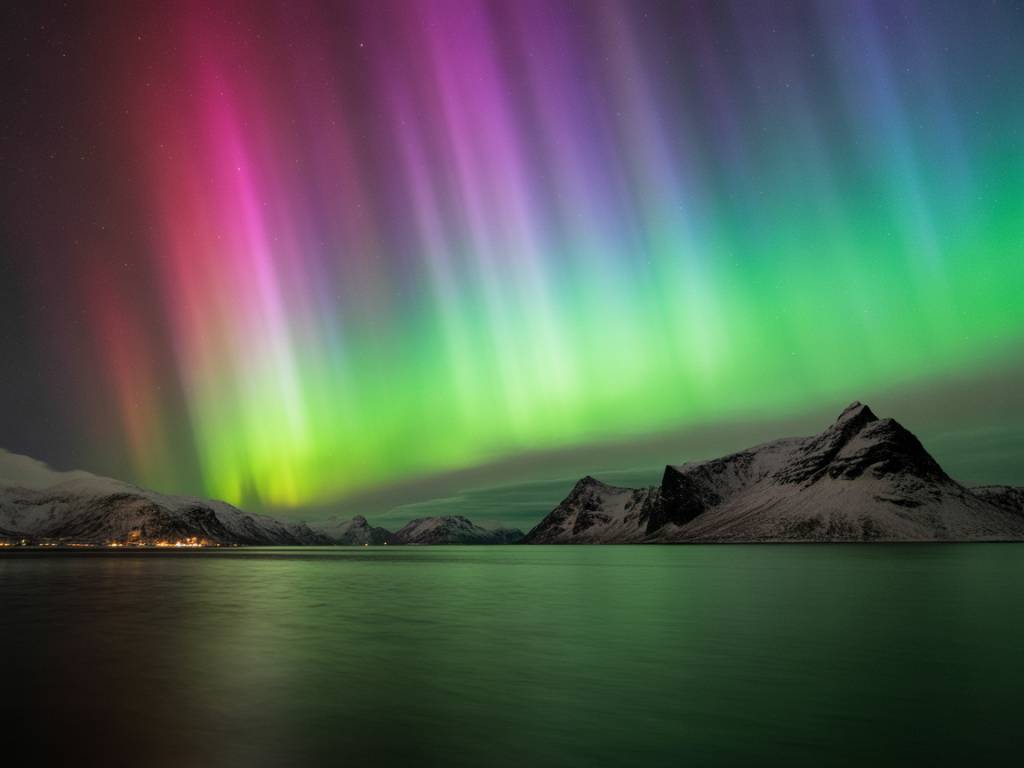
- Lakes and frozen mires: Any open area away from trees will give you a better sky dome. In mid-winter, lakes are usually safely frozen, but always follow local advice, respect warning signs and avoid unknown ice near inlets and outlets.
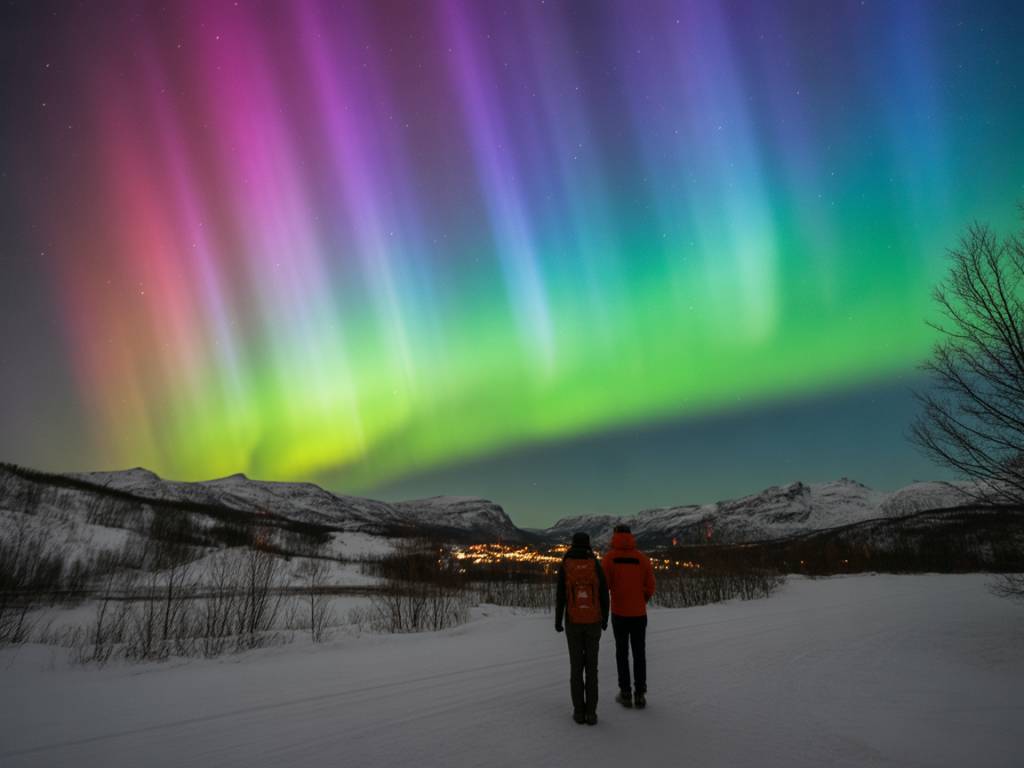
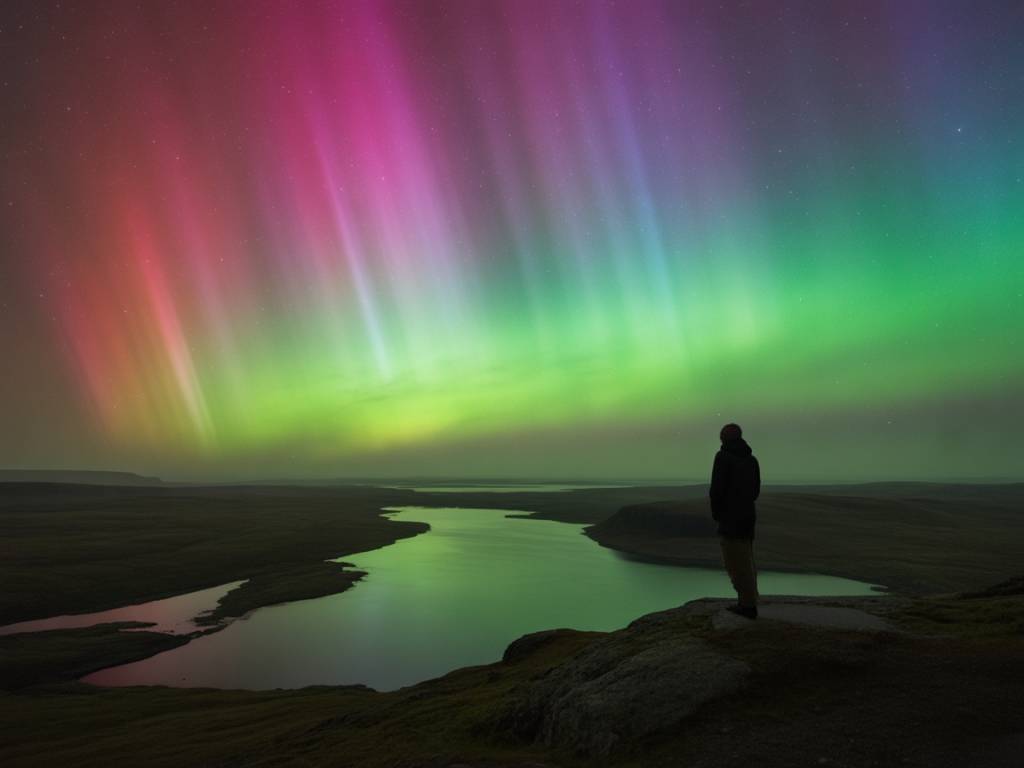
From a KP perspective, Rovaniemi sits far enough north that you can see auroras even on modest KP 2–3 nights, as long as the sky is clear and you’re in the dark. On KP 4–5 and higher, the auroral oval is usually well overhead, which is why you sometimes see strong displays even from the city centre. Cloud cover remains the real boss: a high KP number with 100% overcast is still a no-show.
Daytime outdoor activities that actually fit with aurora plans
Winter days are short. If you want to be awake and outside late for the lights, it’s easy to overschedule and end up exhausted by your second night. Here are activities that pair well with aurora hunting without draining all your energy.
- Husky safaris: Most start in the late morning or early afternoon and last 2–3 hours door to door. You sit or stand on a sled, help with braking, and enjoy the silence of the forest. It’s physically mild to moderate, and you’re back in time for an early dinner and a proper aurora briefing.
- Reindeer sleigh rides: Slower and calmer than huskies, often closer to town. Good with children or if you prefer a quieter day. Some tours include a visit to a traditional kota (Lappish hut) with a fire and hot drink.
- Snowmobiling: More adrenaline and more cold wind. For aurora chasers, I recommend a half-day rather than a full day if you also plan to stay awake late that night.
- Cross-country skiing and snowshoeing: Ounasvaara has marked tracks and rental options. These are flexible: you can ski or snowshoe for 1–2 hours, then head back to rest. It’s one of the best ways to quietly feel the forest around Rovaniemi.
When planning your days, keep one simple rule: on nights with the best forecast (clear skies + moderate to high KP), leave your day schedule light. Backup heavy activities for cloudy or uncertain nights.
The city itself: walks, views and food
Rovaniemi’s center is compact. In winter, that’s a real advantage: you can go from hotel to restaurant to riverbank viewpoints in a few minutes, with frequent warm-up stops if needed.
Useful urban spots:
- Lordi’s Square and main pedestrian streets: Nothing extraordinary, but plenty of cafes, bars and shops. Good base in the afternoon while you monitor forecasts and adjust your night plan.
- Jätkänkynttilä (Lumberjack’s Candle) Bridge: A landmark that looks best in the blue hour, when city lights reflect on the frozen river. You can walk across to reach the more residential side and quieter riverbanks.
- Ounasvaara ski area base: Even if you don’t ski, riding the lift for sunset, when open, can give nice views over the city and surrounding forests.
Food-wise, Rovaniemi caters heavily to winter visitors: you’ll find everything from simple grill kiosks to higher-end restaurants serving reindeer, salmon and local berries. For aurora hunters, the main criteria are different: early dinners, warm seating near your accommodation, and options open late enough to recover after a cold night. Check opening hours carefully in low season.
Sample 3-day winter and aurora plan in Rovaniemi
If you like to see how the pieces fit together, here’s a realistic 3-day structure that many travellers follow, with built-in flexibility for the lights.
Day 1: Arrival and soft start
- Check into your accommodation, walk the city centre, get your bearings.
- Visit Arktikum in the afternoon; it’s close and fully indoor in case you’re tired from travel.
- Early dinner in town.
- Check the aurora and cloud forecasts. If clear or partly clear and you still have energy, do a short outing: walk to the riverbanks by the Lumberjack’s Bridge or take a taxi to Ounasvaara hill for a first look at the sky.
Day 2: Santa and forest + main aurora night
- Morning or midday at Santa Claus Village. Cross the Arctic Circle, send postcards, brief husky or reindeer taster if you like.
- Return to town by mid-afternoon, short rest.
- Light early dinner.
- Join a dedicated aurora tour or use a rental car to head out in the direction with the clearest skies (north-east towards Vikajärvi, or south towards Ranua, depending on the forecast). Plan to be out between 20:00 and 01:00 if the weather and your energy level allow.
Day 3: Choose-your-own-adventure
- If you had a late aurora night, take a slower morning. Brunch in town.
- Snowmobiling, cross-country skiing or snowshoeing in the early afternoon, depending on how active you feel.
- If the forecast for this night is even better than the previous one, repeat an aurora outing but maybe in a new direction for variety. If it’s worse, enjoy a relaxed evening in town and keep an eye on the sky from close to your hotel.
This pattern balances “bucket list” items with proper rest and decent odds of catching at least one stable aurora display.
Practical tips for winter comfort and safety
Winter in Rovaniemi is forgiving if you respect the basics. A few field-tested rules:
- Layering matters more than the brand: Wear a moisture-wicking base layer, an insulating mid-layer (fleece or wool), and a windproof, snowproof outer shell. Same idea for legs. Avoid cotton next to your skin.
- Hands, feet, face: This is where most people suffer first. Wool socks with room in the boots for blood circulation, proper mittens (better than gloves), and a balaclava or buff under your hat. Pack chemical hand warmers for long static aurora sessions.
- Keep batteries warm: Camera, phone, headlamp – cold drains them fast. Carry spare batteries in an inner pocket close to your body.
- Watch your footing: Streets and paths can be icy. Small traction spikes or good winter boots with grippy soles can save you from a fall on the way to a viewpoint.
- Respect distances and conditions when driving: Finnish roads are well-maintained, but winter driving still means snow, ice and sometimes poor visibility. Use moderate speeds, long following distances, and low-beam headlights unless conditions require otherwise. If you’re not used to winter driving, it’s safer to join an aurora tour.
Managing expectations and reading the sky
A last point that often reduces stress for travellers: no one, including professionals, can guarantee you’ll see the aurora on a specific date. Forecast models change, cloud cover shifts and solar activity is variable. What you can do, however, is stack the odds in your favour.
From Rovaniemi, your main levers are:
- Length of stay: Give yourself at least 3–4 nights in the area if auroras are a priority.
- Flexibility: Don’t lock all evenings into long dinner reservations. Keep your nights open to move with the forecast.
- Mobility: Either through a rental car or through tours that will chase clearer skies up to 1–2 hours away.
On this blog, I regularly explain how to interpret KP index, cloud cover maps and short-term solar wind data. When you combine that knowledge with a base like Rovaniemi – where there is genuinely plenty to see and do during the day – the trip becomes less of a gamble and more of a well-managed northern experiment.
In winter, Rovaniemi gives you three things in one package: a functional small city, classic Lapland experiences and access to dark skies within a short drive. Use the city for warmth and logistics, use the forests and lakes for auroras, and use your days to understand the land you’re walking on. The lights, when they appear above the snow and spruce, will do the rest.