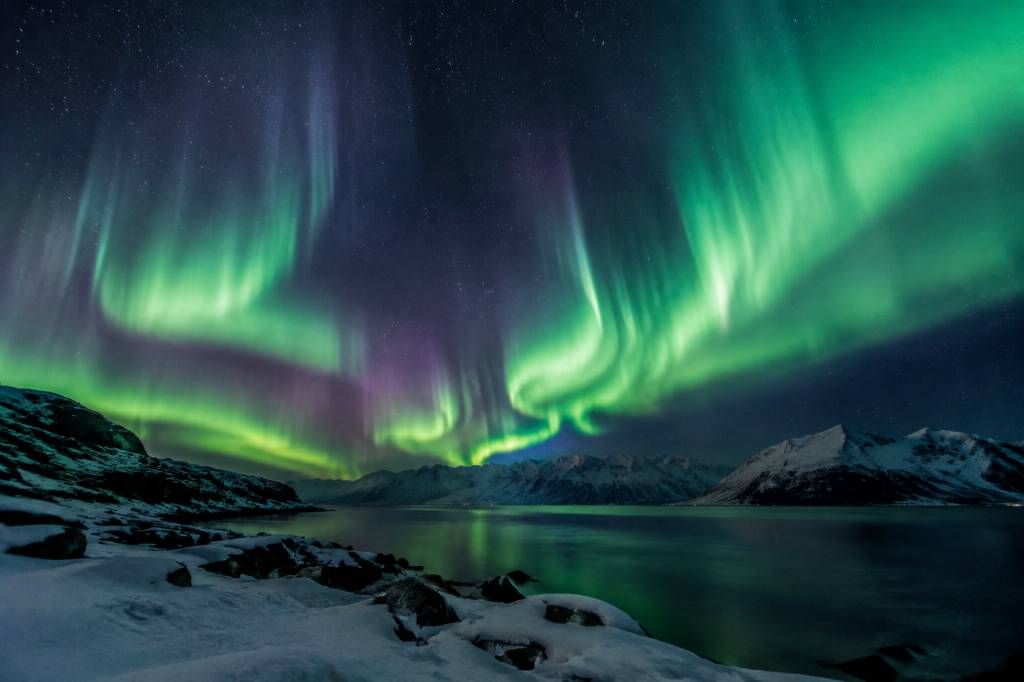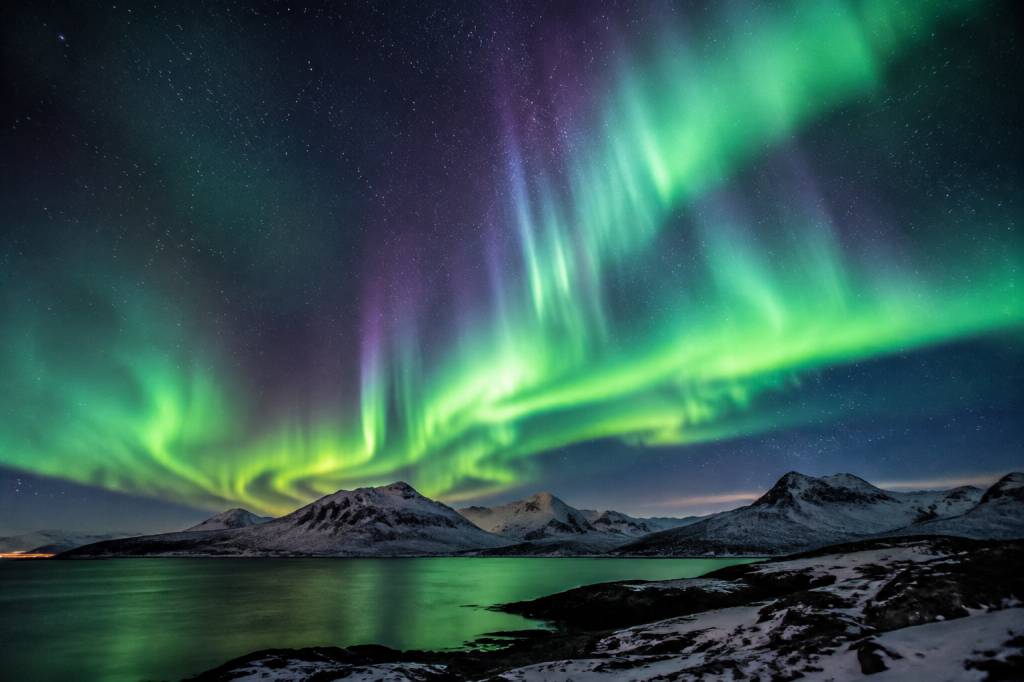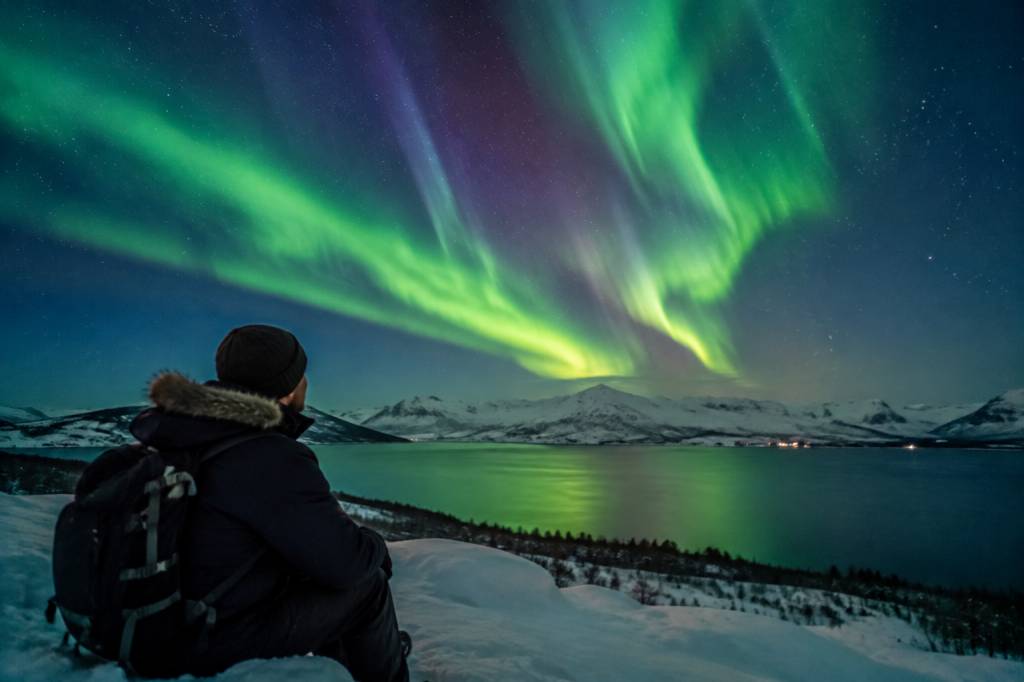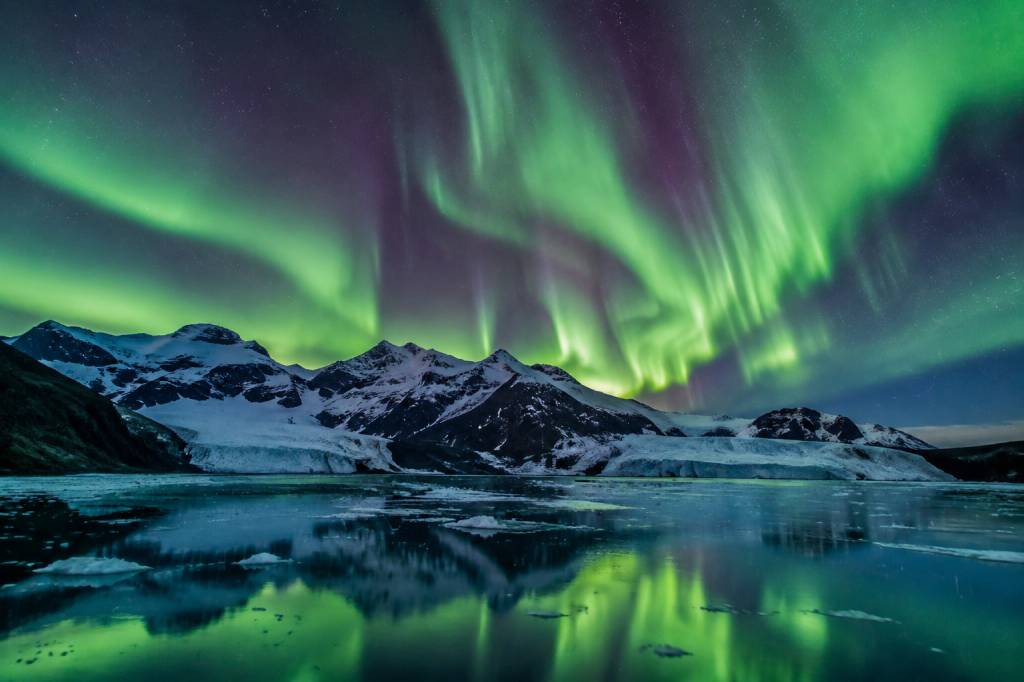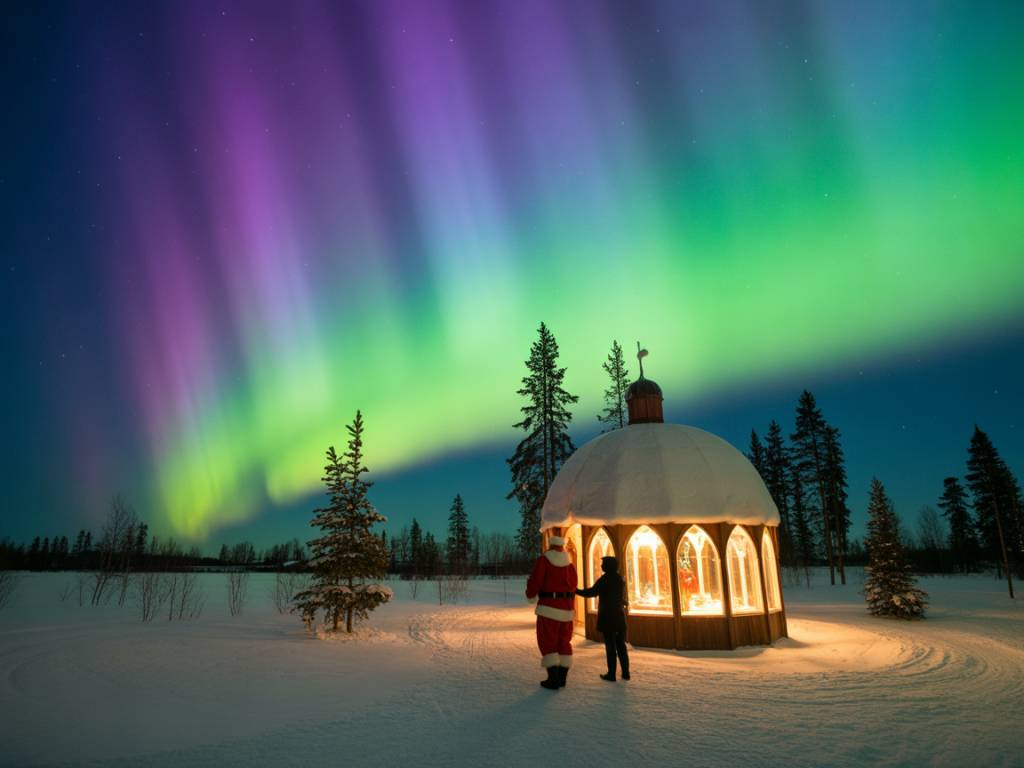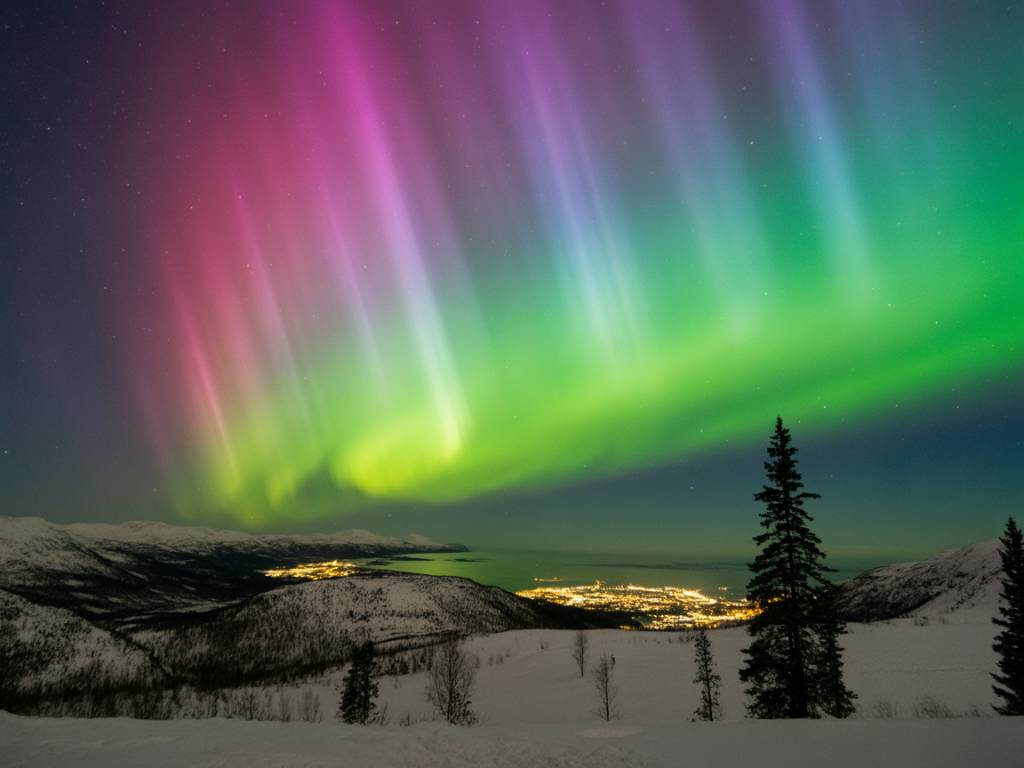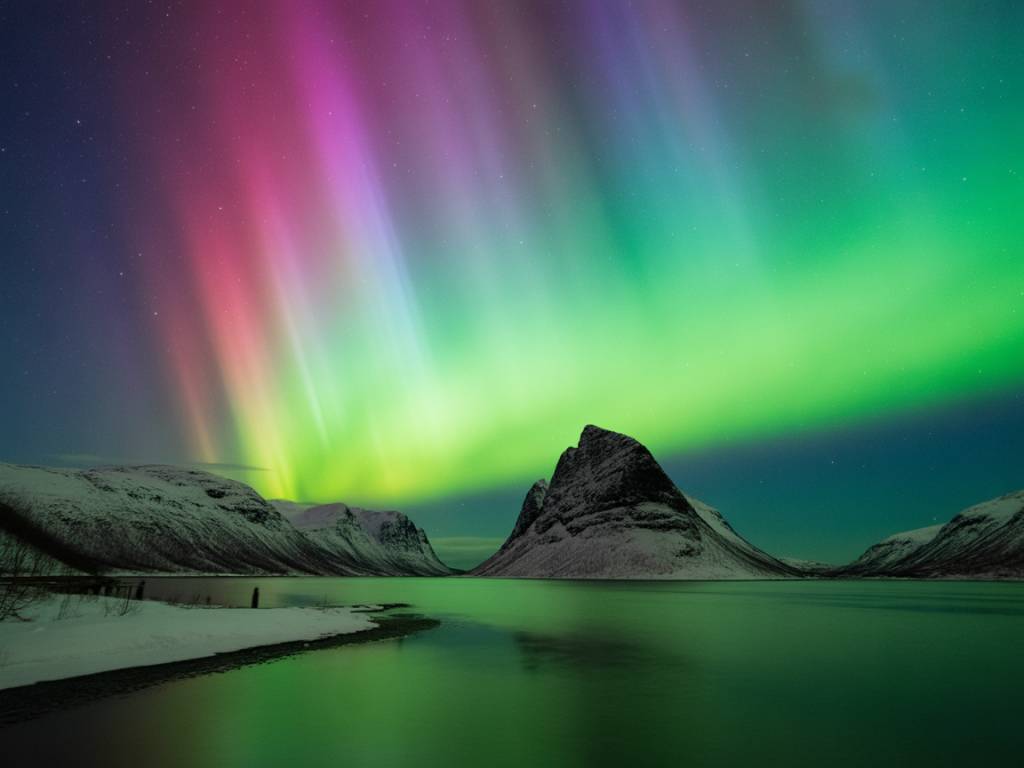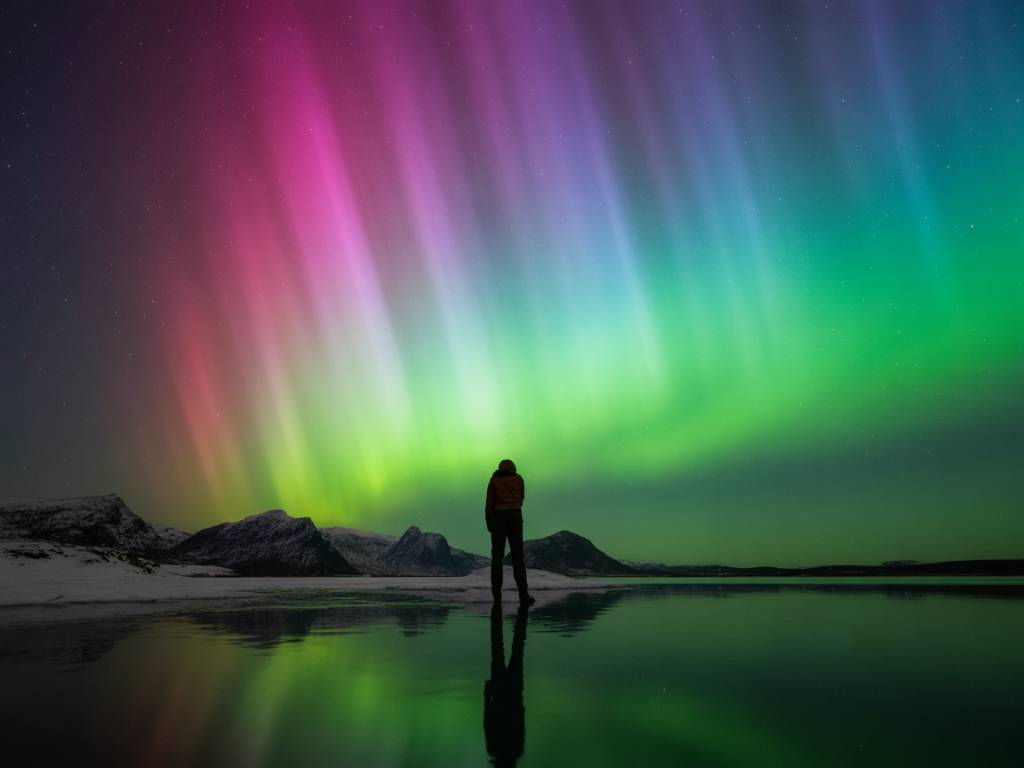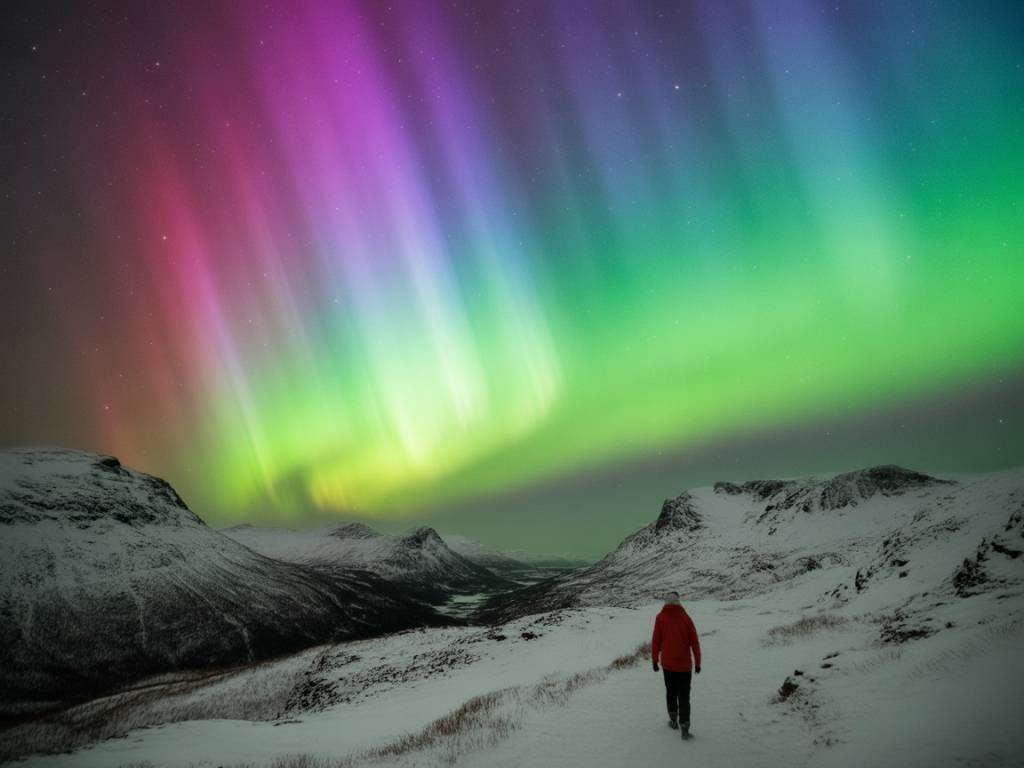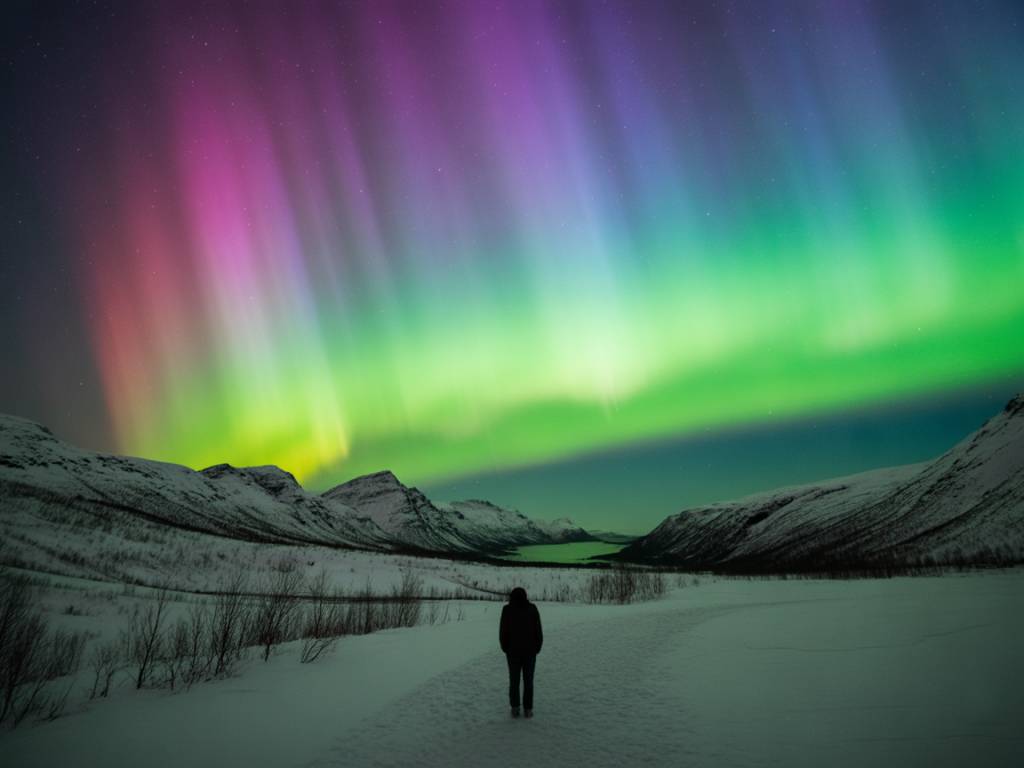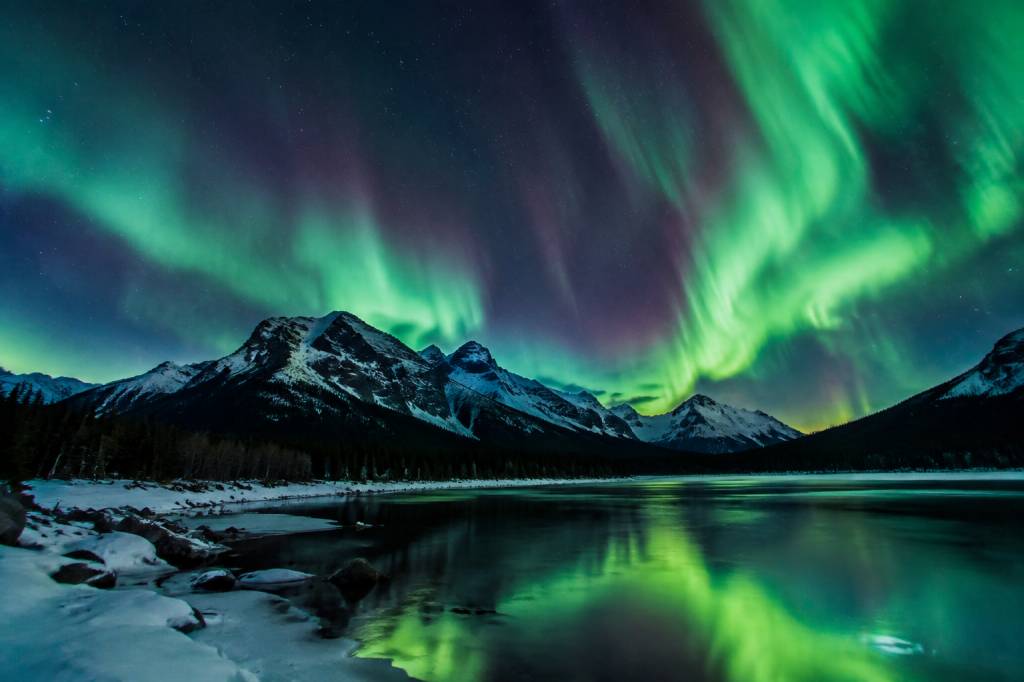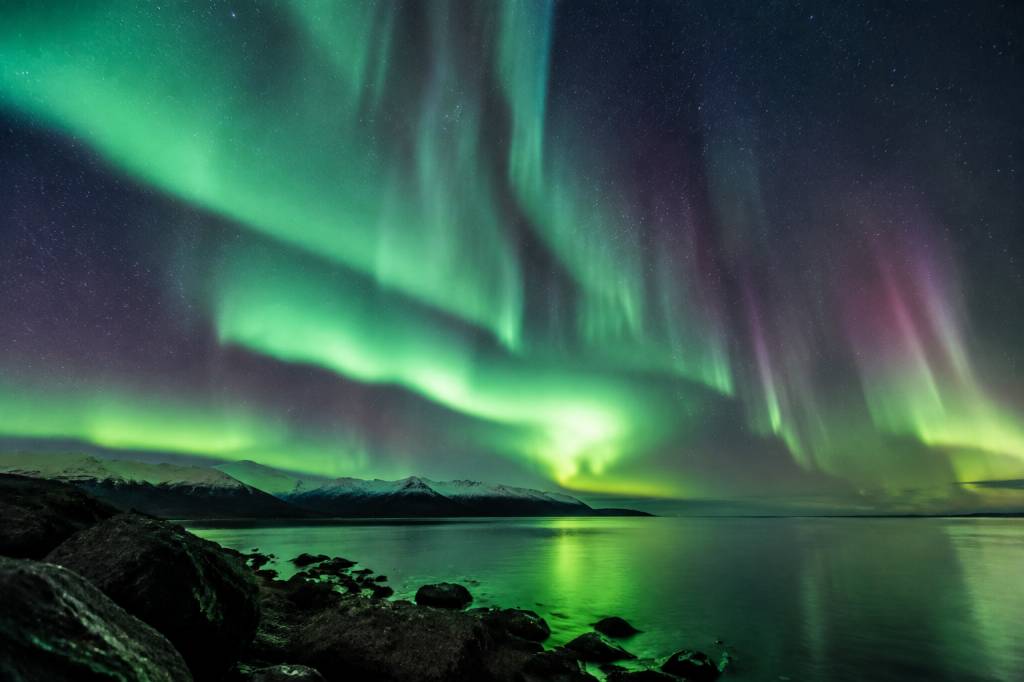

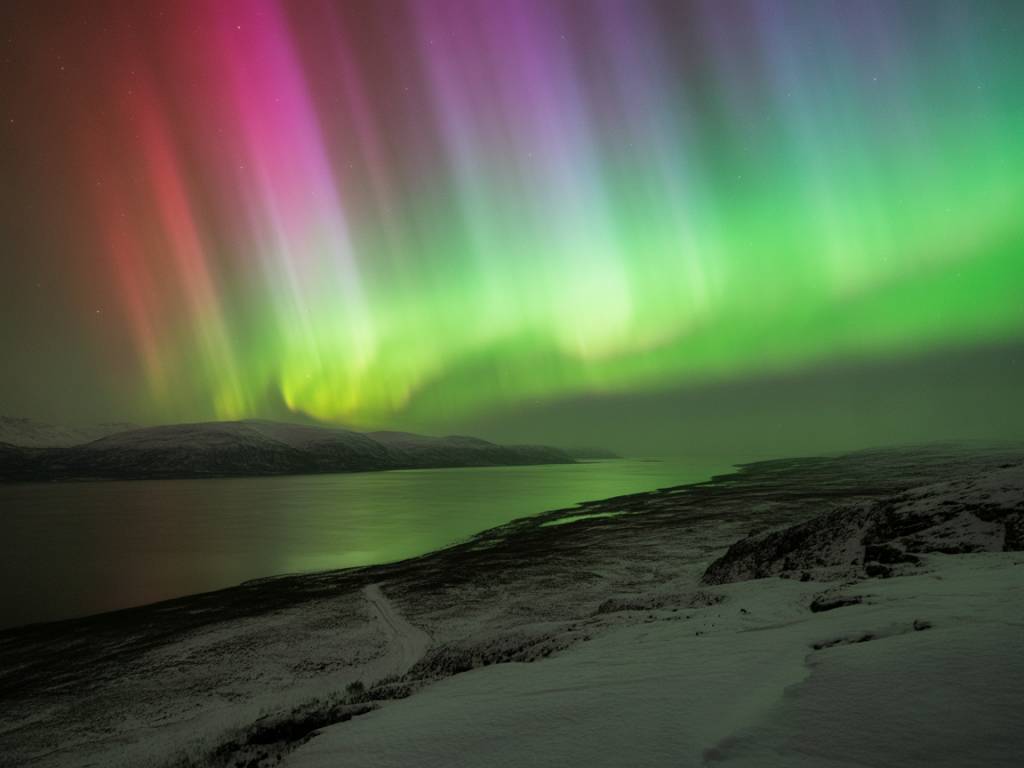
When you refresh an aurora forecast every 10 minutes, what you are really checking is the state of the Sun. The green arc above your city, the red glow on the northern horizon, the dancing pillars over a frozen lake – all of that starts 150 million kilometers away, on a restless star throwing storms into space.
In this article, I’ll walk you through what a “solar storm” actually is, how it turns into auroras above your city, and how it shapes the strength and reliability of northern lights forecasts. The goal is simple: once you understand what’s going on between the Sun and your sky, you can make faster, calmer decisions about when and where to go out.
From solar storm to aurora: the short version
Let’s start with the practical summary before we dive into details. A strong aurora night over your city usually needs four steps to line up:
- The Sun ejects material (a flare or a coronal mass ejection, CME).
- This “solar wind” cloud travels through space and reaches Earth.
- Earth’s magnetic field channels this energy toward the polar regions.
- Particles collide with oxygen and nitrogen in our atmosphere and create light – the aurora.
Every forecast you see on Northernlights-Forecast – KP index, solar wind speed, Bz, auroral oval – is just a different way of describing one of these steps. When one of them is off, the show is weaker or shifted away from your city. When they all line up, even cities at mid-latitudes get their rare “green night”.
What is a solar storm, in practical terms?
A solar storm is a period when the Sun sends more charged particles and magnetic energy toward Earth than usual. For us aurora chasers, the three main ingredients are:
- Solar wind speed: how fast the stream of particles is traveling (measured in km/s).
- Density: how many particles per cubic centimeter (protons/cm³).
- Magnetic field direction (Bz): how the magnetic field carried by the solar wind is oriented relative to Earth’s field.
When you see terms like “CME incoming” or “strong geomagnetic storm expected”, it usually means a powerful package of these three ingredients is on the way.
There are two main sources of these storms:
- Coronal mass ejections (CME): big bubbles of plasma thrown out during solar eruptions. These are the ones that can create KP 7–9, sometimes visible far south.
- High-speed streams from coronal holes: more regular, moderate storms that can bring KP 4–6 and decent auroras around the Arctic circle, Iceland, northern Canada and Scandinavia.
For travel planning, CMEs are the big, disruptive bonus: rare, but they can suddenly make northern lights visible over cities that normally never see them.
How solar storms turn into light above your city
Once a CME or a high-speed stream is launched, it typically takes 1–3 days to reach Earth. Here is what happens when it arrives and why this matters for your forecast.
1. Interaction with Earth’s magnetic field
Earth is surrounded by a magnetic “bubble” called the magnetosphere. When the solar wind hits this bubble, part of the energy is deflected, and part is stored and then released into the polar regions. The more energy couples into the magnetosphere, the stronger the geomagnetic storm.
The key factor here is the direction of the magnetic field in the solar wind, called Bz:
- Bz north (positive): the solar wind’s magnetic field is aligned with Earth’s. Less energy enters. Aurora activity is usually weaker.
- Bz south (negative): the fields are opposed, like two magnets with opposite poles facing. Energy couples efficiently. Auroras intensify and can move to lower latitudes.
You will often see Bz values updated in real time. When Bz suddenly turns strongly southward (–10 nT or more) for a sustained period, that’s when you should start checking your closest dark-sky spot.
2. Charged particles funnel toward the poles
Once the storm energy enters the magnetosphere, it is guided by Earth’s magnetic field toward the polar regions, forming two “auroral ovals” – one over the north pole, one over the south. These ovals expand and contract depending on storm strength.
Think of these ovals as moving rings. A weak storm keeps the ring tight around the magnetic pole (near northern Canada and northern Greenland). A strong storm stretches the ring south (or north, for the southern hemisphere), sometimes enough to cover your city.
3. Collisions in the upper atmosphere
At altitudes between roughly 80 and 500 km, the incoming particles collide with oxygen and nitrogen atoms in the atmosphere. When these atoms return to their normal state, they release light:
- Green (most common): oxygen at about 100–250 km.
- Red: oxygen higher up, over 200 km, often during strong storms.
- Purple/pink/blue: nitrogen, especially lower down.
The color mix and intensity depend on how strong the storm is and how high the particles penetrate. On quiet nights around the Arctic circle, you often see soft green arcs. During major solar storms, the sky can fill with bright, fast-moving curtains, pillars, and deep red glows that reach far toward the south.
How this translates into KP and “city visibility”
Most travelers know the KP index. It runs from 0 (very quiet) to 9 (extreme storm). It’s an average measure of global geomagnetic disturbance over 3-hour windows. In simple terms: higher KP, larger and more southerly auroral oval.
So what KP do you need over a typical city? That depends on its magnetic latitude, not just the map latitude. As a rough guide (values are approximate and assume good darkness and clear skies):
- Arctic cities (Tromsø, Alta, Kiruna, Rovaniemi, Fairbanks, Yellowknife): KP 1–2 already gives you auroras overhead on many nights.
- Sub-Arctic cities (Reykjavík, Anchorage, Abisko area, northern Scotland): KP 3–4 is usually enough for clear displays.
- Mid-latitude European cities (Copenhagen, Berlin, Amsterdam, Paris region): you generally need KP 6–7 or more, and the aurora will be low on the northern horizon.
- Central Europe / northern US (Prague, Vienna, Chicago, New York): KP 7–8 for a visible glow, often seen as a red/green arc low in the north.
- Southern Europe / central US: KP 8–9, rare events linked to strong CMEs.
On Northernlights-Forecast, when you check a “city forecast”, what you see is essentially the KP forecast translated into a local visibility probability, taking into account your location and sometimes local light pollution. The stronger the solar storm, the more that probability shifts in your favor, even if you live far from the Arctic circle.
Why solar storms make forecasts powerful – and sometimes wrong
Solar storms are both a blessing and a challenge for forecasters. They can create fantastic shows, but they also introduce uncertainty. Here’s why.
The good news: we see many of them coming
When a big CME erupts from the Sun, we often catch it with solar telescopes and satellites like SOHO and SDO. From those images, specialists estimate:
- Its approximate direction (is it heading toward Earth or away?).
- Its approximate speed (when it might arrive – typically a 12–24 hour window).
- The size of the disturbance (rough idea of potential KP range).
This allows us to publish alerts like “possible geomagnetic storm in 2 days, KP up to 7”. If you’re planning a trip or choosing which night to stay up late, this is extremely useful. You can shift your “big effort” night to match the more promising window.
The tricky part: details are only known at the last minute
The exact impact of a solar storm depends on parameters we can only measure when it is already almost on us:
- The exact speed when it reaches Earth.
- The density of particles in the front of the shock.
- The magnetic field orientation (Bz) inside the CME.
These are measured by satellites sitting about 1.5 million km “upstream” from Earth, like DSCOVR. From there, we get a warning of roughly 30–60 minutes before the solar wind hits our magnetosphere.
This is why the very short-term forecast is often more accurate than the 2–3 day outlook. A 3-day forecast tells you: “These nights are promising, plan to be ready.” A 30-minute forecast tells you: “Go now, the storm is coupling well with Earth’s field.”
What solar storm data means for your actual night out
Let’s link the space-weather jargon to decisions you make on the ground: do you leave the hotel now, do you drive out of the city, and how long do you stay in the cold?
Key parameters to watch (without a PhD)
- KP index (global): use as a rough idea of how far the aurora oval might extend. If KP is forecast at 5–6 and you’re in northern Scotland or southern Scandinavia, that’s a strong incentive to move under darker skies.
- Solar wind speed (real-time): speeds above 500–600 km/s usually support more dynamic auroras, especially when combined with good Bz.
- Solar wind density: spikes in density can “kick” the magnetosphere and trigger sudden brightening (auroral substorms).
- Bz: if it is strongly south (–5 to –20 nT) and stable, that’s your “green light” to be outside, especially if KP is already elevated.
On a practical level, a good rule of thumb:
- If KP ≥ your city’s threshold and Bz is south for at least 30–60 minutes, you should seriously consider going to your chosen viewing spot, assuming the sky is clear.
- If KP is high but Bz is mostly north, the show might never really ignite over you, or it may stay confined closer to the poles.
Examples: how a solar storm changed real nights
Two quick field-style examples to put numbers into context.
Case 1: Tromsø on a “moderate” storm
Forecast: KP 3–4, high-speed stream from a coronal hole. Cloud cover: 30–40%. Solar wind speed around 550 km/s, Bz fluctuating between –5 and +3 nT.
On paper, this looks like a typical night in Tromsø. In reality:
- Early evening: mostly cloudy, faint auroral arc behind clouds.
- 23:00 local time: Bz turned steadily south around –7 nT, density increased, and a gap in the clouds opened inland.
- Result: bright, fast-moving curtains for about 45 minutes over a frozen lake 40 minutes’ drive from the city, while people who stayed near the harbor mostly saw clouds with brief green patches.
Same solar storm, same region, completely different experience – because of small changes in Bz and local clouds, and because some people decided to move out of the city while others did not.
Case 2: Northern France during a strong CME
Forecast: CME arrival window between 18:00–03:00 UTC, possible KP 7–8. Clear skies over much of western Europe.
Real-time data:
- Arrival slightly earlier than expected, with speed around 750 km/s.
- Bz dived to –20 nT and stayed south for over an hour.
- KP quickly rose to 7–8.
Result: in cities that almost never see auroras, people reported a red-pink glow to the north and, on cameras, clear green arcs and rays. Many of them had no idea what a Bz was – they just saw social media alerts, stepped outside, and looked north. But behind the scenes, it was that combination of strong CME, fast speed and deeply southward Bz that made it possible.
How to use solar storms to reduce “forecast stress”
Most frustration around northern lights comes from mismatched expectations: people expect a guaranteed show because “KP was 5” or because someone posted a colorful oval on a map. Understanding solar storms is a way to lower this stress and make smarter plans.
Here is a practical strategy you can use wherever you live:
- Use 3–5 day solar activity outlooks for planning:
- If a CME is forecast to hit during your trip window, protect that night: fewer evening commitments, be flexible with sleep.
- If activity looks quiet, plan your main aurora attempts around your nights in darker areas rather than relying on a sudden storm.
- On the day, combine space weather and local weather:
- Check cloud cover forecasts for the night, hour by hour.
- Check current solar wind stats: speed, density, Bz.
- Check the short-term KP or local “city forecast” probability.
- Set clear decision thresholds:
- Decide in advance: “If KP reaches X and Bz is south for 30 minutes and the sky is at least partly clear, I leave the hotel.”
- Decide your latest “go” time: for example, “If nothing interesting by 01:00, I go to sleep.”
- Have a backup urban plan:
- Identify one or two dark-ish zones within 20–30 minutes of your city: a park, hill, or lakeshore with a clear northern horizon.
- Know where you can park safely, turn off lights, and wait in your car if needed.
This approach turns a chaotic “let’s stay awake and refresh our phones all night” into a controlled plan with clear triggers and exit points.
What gear actually matters when a storm hits
Solar storms control the sky. You control your preparedness. Even in cities, a few simple choices can transform your experience once conditions are right.
- Clothing first: if you are cold, you will not stay out long enough to catch substorms that often peak after midnight. Dress as if the temperature were 5–10°C colder than forecast, especially if you will be standing still.
- Tripod and manual camera: a strong solar storm is when even smartphones start to pick up color and structure, but a small tripod and a camera capable of 5–10 second exposures at ISO 1600–3200 will show far more detail, especially from cities where the aurora may be faint.
- Headlamp with red light: to adjust your gear without killing your night vision.
- Power bank and data: in strong storms, real-time data changes quickly. You want your battery to last long enough to monitor Bz and cloud evolution.
- Thermos and patience: during storms, auroras often come in waves. A 30-minute quiet phase can be followed by a 10-minute explosion. Staying that extra half-hour sometimes makes the difference.
Bringing it all together over your city
Solar storms do not care if you booked a weekend in Tromsø or if you are just stepping onto your balcony in Berlin. The physics is the same: the Sun launches energy, Earth’s magnetic field filters and redirects it, and your local sky conditions decide how much of the show you see.
By watching just a handful of indicators – KP, Bz, solar wind speed, and your own cloud forecast – you can translate complex space-weather discussions into simple actions:
- Stay in and sleep.
- Walk to a darker park.
- Drive 30 minutes out of town.
- Or, on those rare big storms, climb to the nearest rooftop and look north.
Next time you see a green arc stretching over your city, remember: that light started as a storm on the Sun, traveled across space for days, negotiated Earth’s magnetic shield, and finally ended its journey as a silent curtain above your head. Knowing this chain does not just satisfy curiosity – it helps you be in the right place, at the right time, with calm expectations and a warm jacket, ready when the sky decides to open.