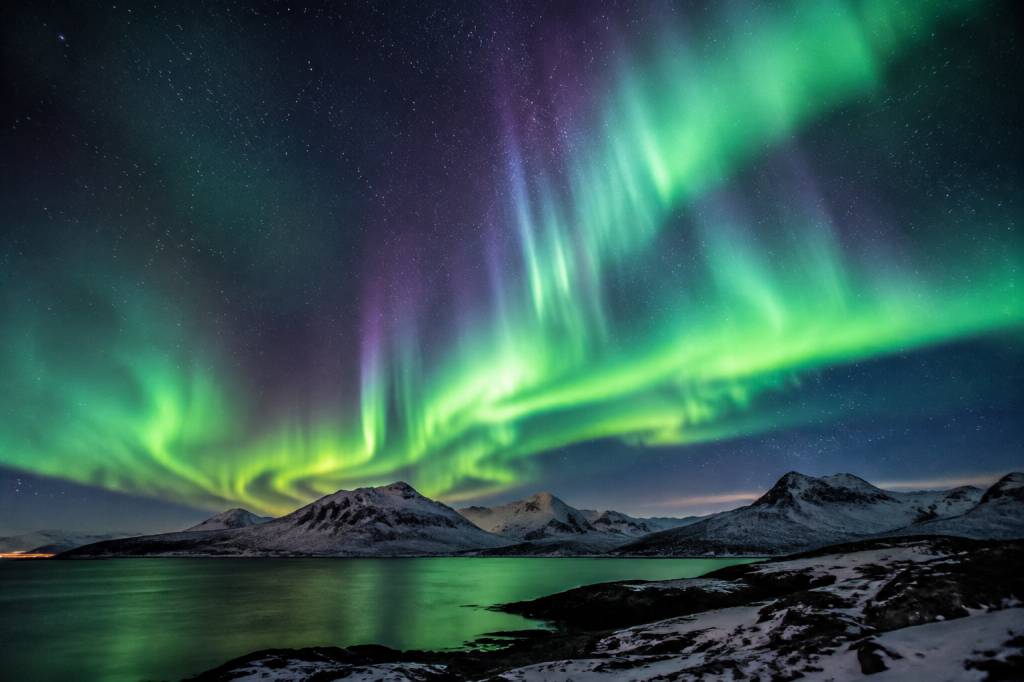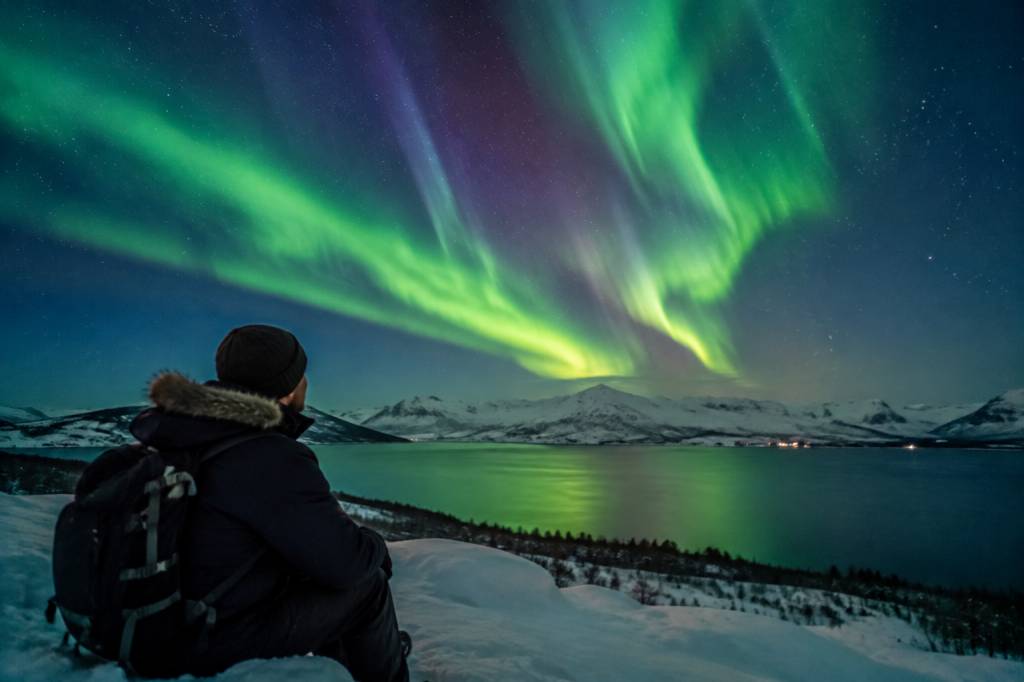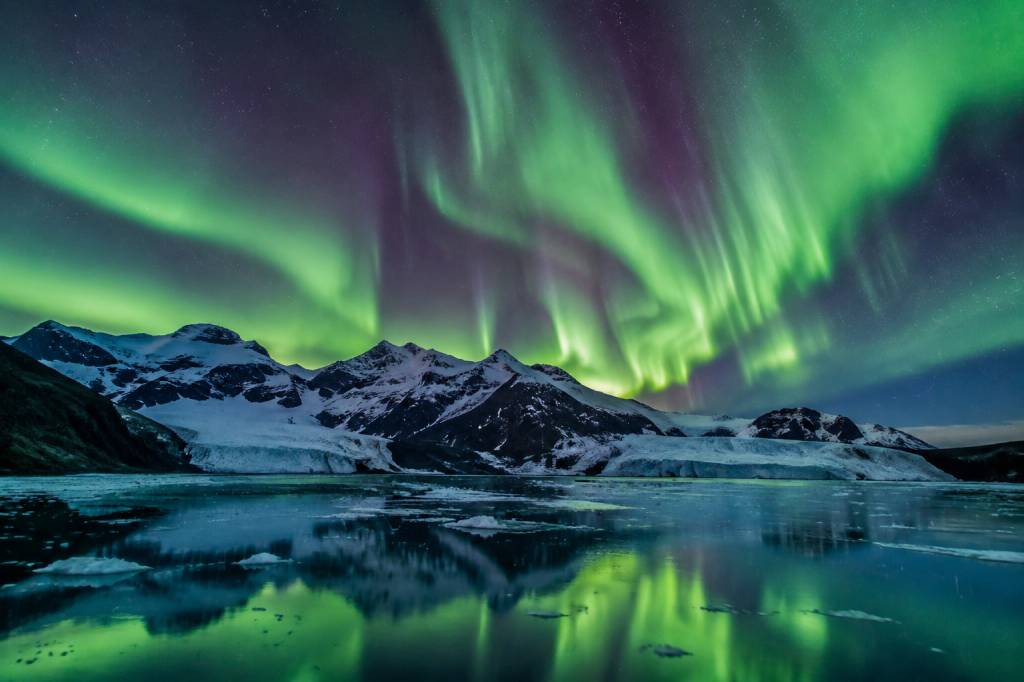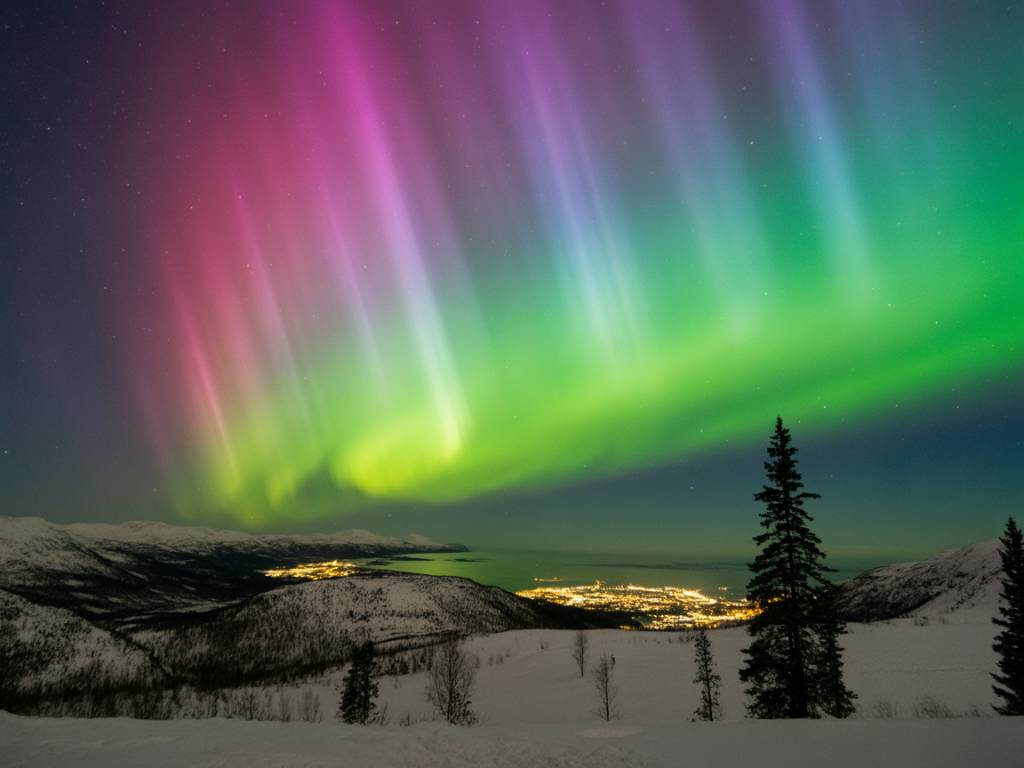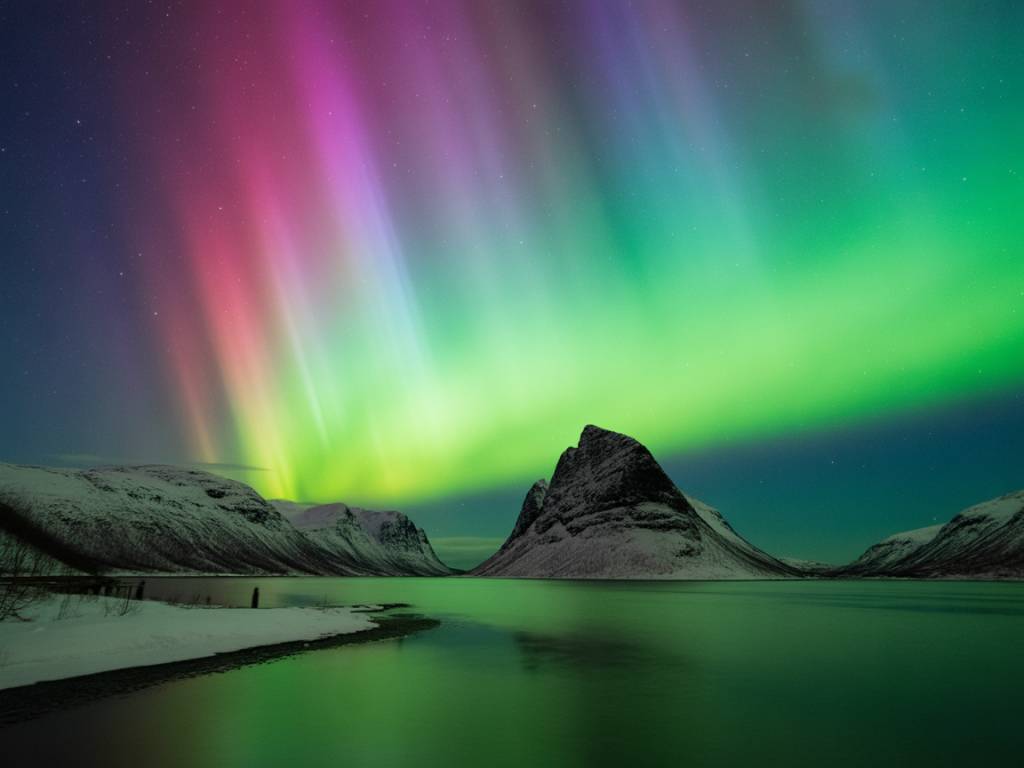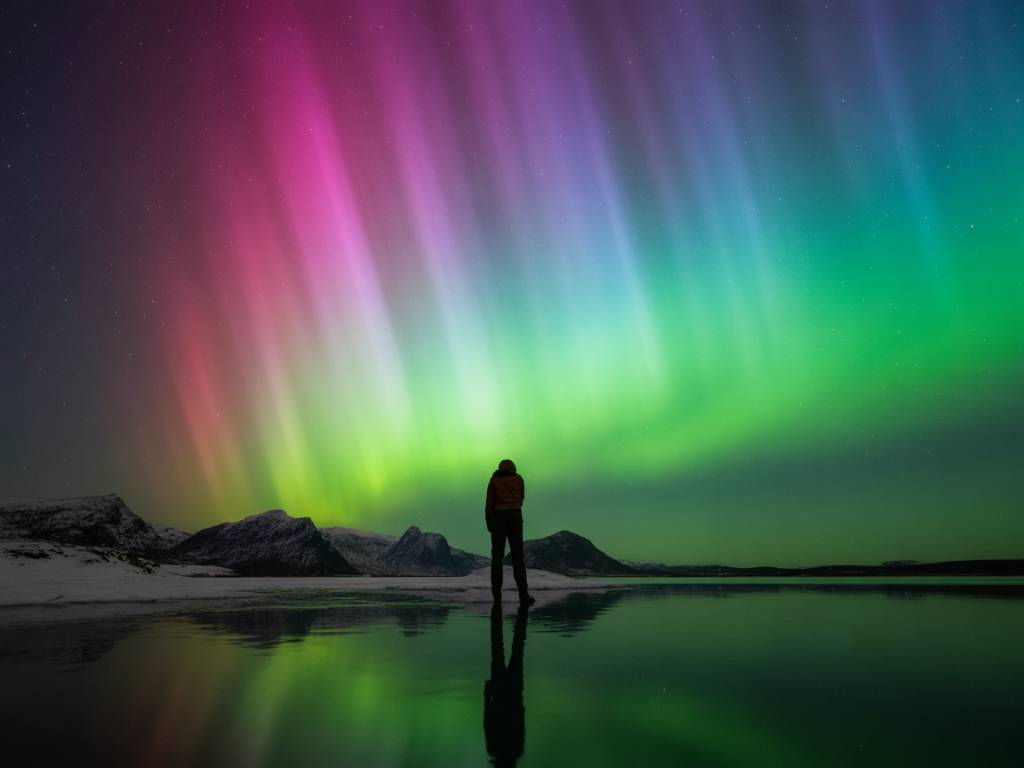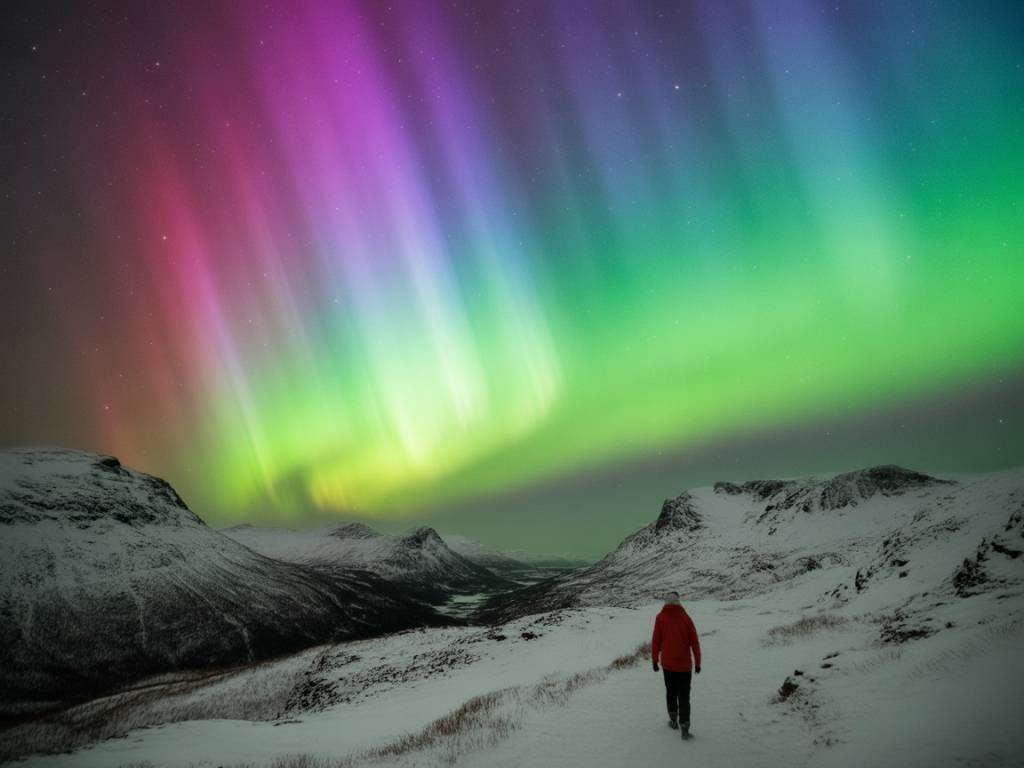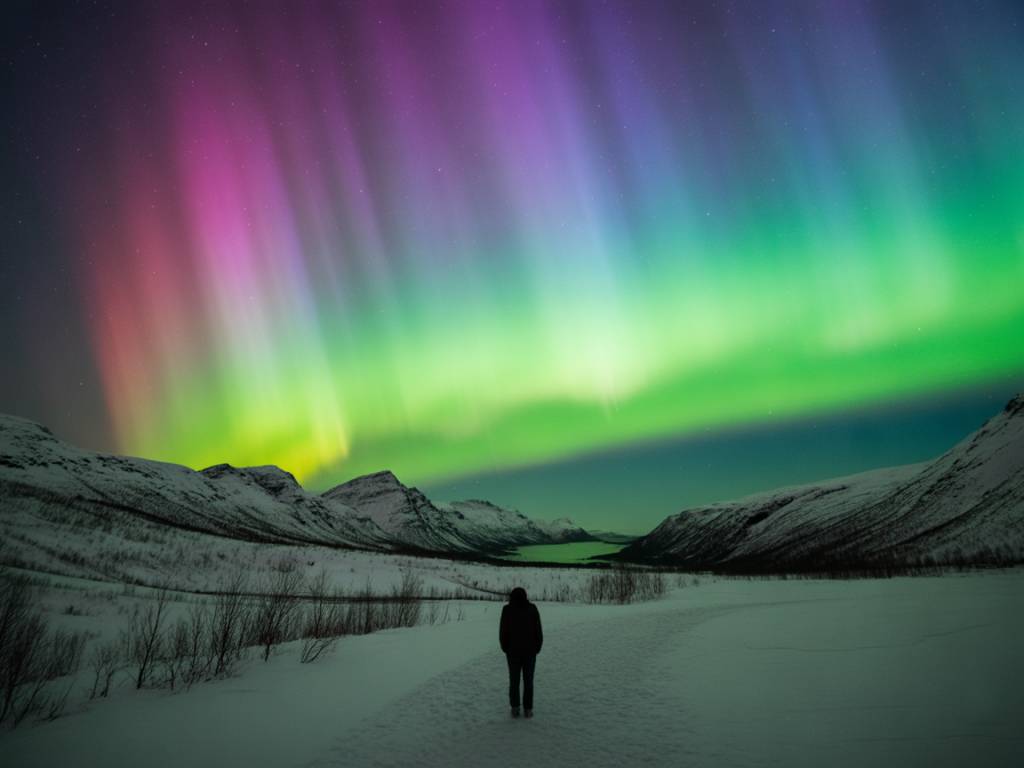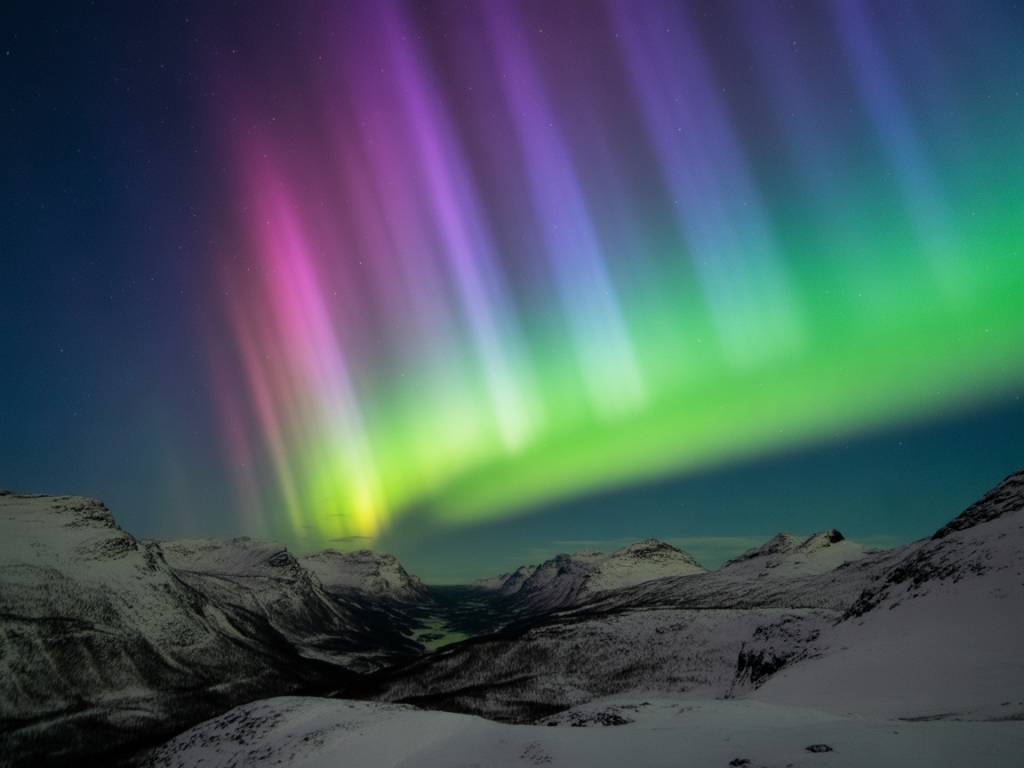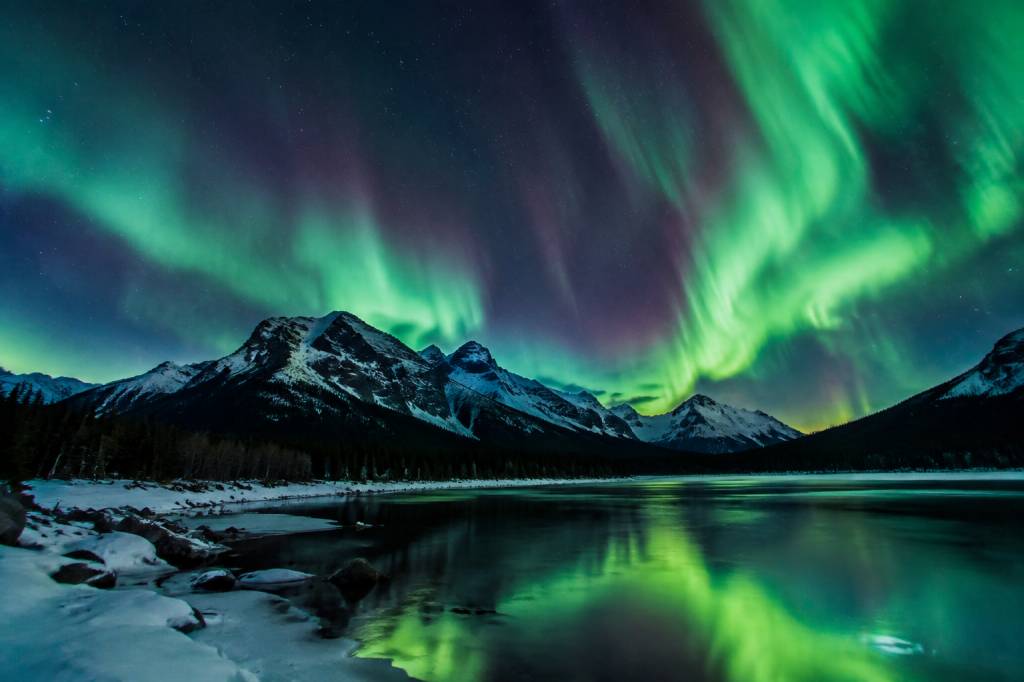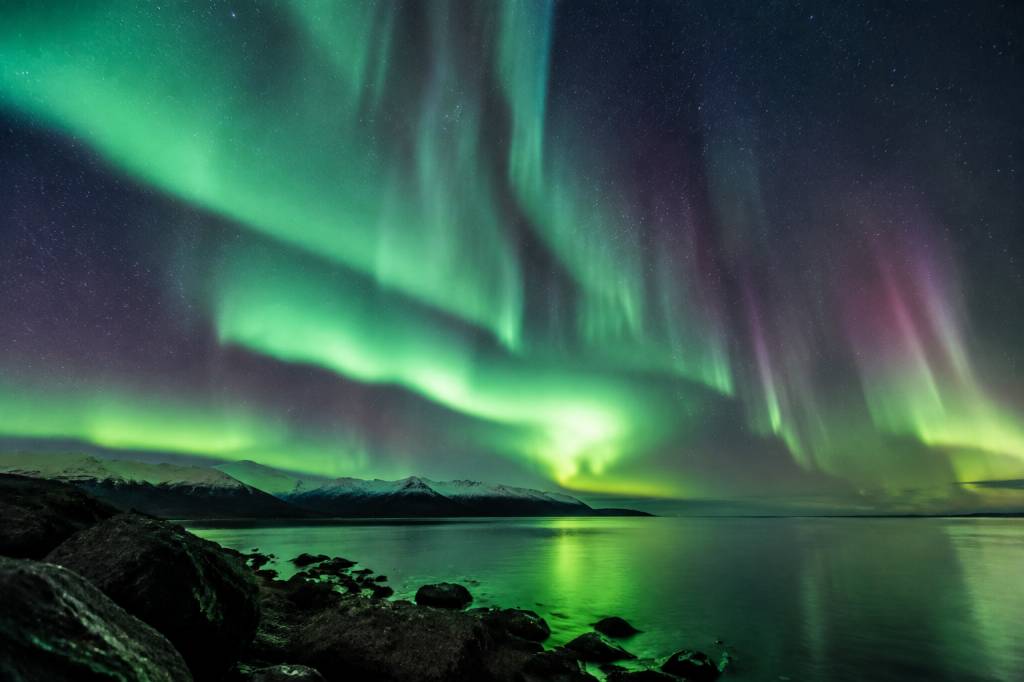

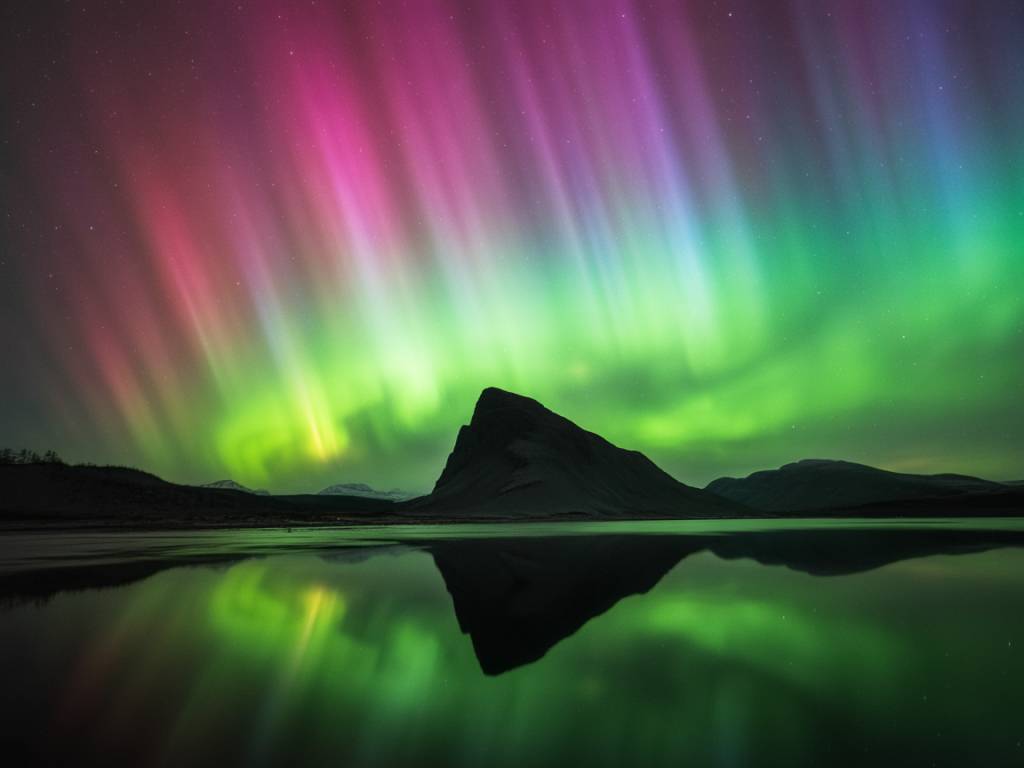
Oregon sits right on the edge of the northern lights “sometimes zone”. Most nights, the auroral oval is too far north and you won’t see anything. But on strong geomagnetic storms (think KP 6–8 and clear skies), the state suddenly becomes a front-row seat to faint green arcs and even pillars low on the northern horizon.
When those nights line up with good weather, the question is no longer “if” but “where”. In this article, I’ll walk you through five places in Oregon that actually work in real life: dark enough, accessible at night, with a decent northern view and realistic backup options if the forecast shifts.
I’ll keep it practical: how to get there, where to park, what the northern horizon looks like, and what kind of KP and cloud cover you should wait for before jumping in the car.
Fort Stevens State Park & the Astoria Area
If a strong aurora is forecast over Oregon, this is often my first pick on the coast. You get dark ocean skies, a low northern horizon and multiple safe spots where you can sit and wait out gaps in the clouds.
Why it works
- North-facing beach with an unobstructed view over the Pacific
- Far enough from Portland’s glow to keep the sky reasonably dark
- Several parking areas you can stay near your car, which is key in cold, damp coastal nights
Best observation spots
- Peter Iredale Beach Parking: Follow signs for the Peter Iredale shipwreck. Park, walk onto the beach and look straight north over the ocean. The horizon is low and the only real light pollution is a faint dome from Astoria to the east.
- Clatsop Spit Area (parking at lot C or smaller pullouts): Gives you a bit more distance from Astoria lights. Flat sand, big sky, good if you want maximum darkness.
What you actually see here
From coastal Oregon, auroras usually hug the northern horizon. On a KP 6–7 storm with clear skies, you can expect:
- A soft green band 5–15° above the horizon
- Occasional vertical beams or pillars flickering up if the storm intensifies
- Subtle reddish glow higher up during the strongest substorms
Naked-eye colors can be muted; your camera will see more. So if your photos show neon green while your eyes register only a greyish haze, that’s normal at this latitude.
Practical tips
- KP threshold: Aim for KP 6+ and a strong southward Bz on the solar wind charts before committing to the drive.
- Clouds: Coastal stratocumulus is your main problem. Watch high-resolution cloud models late afternoon. If you see a post-frontal clearance from the north or northwest, Fort Stevens is a good bet.
- Comfort: The beach is damp and wind-chill bites. Bring a windproof layer, hat, and a dry mat or camping chair. You might be sitting in the dark for hours between bursts.
Trillium Lake & Mount Hood Viewpoints
If you prefer mountains to ocean, the Mount Hood area gives you dark skies without going extremely remote. The trade-off: trees, terrain and occasional low clouds can block your northern view, so you have to choose your spot carefully.
Why it works
- Higher altitude often means you’re above some of the low valley haze
- Only about 1–1.5 hours from Portland, making it realistic for a late-night run
- Several open areas with decent views to the north or northeast
Key spots to consider
- Trillium Lake (south shore area): Famous for sunrise shots of Hood, but at night, if you walk around the south and southeast shore you can get a broader slice of northern sky above the trees. The reflection on the lake can pick up auroral glow, which looks great on long exposures.
- Timberline Lodge parking area: Higher elevation, but the lodge lights and mountain mass itself block a chunk of the sky. This is more of a “last-minute” option if you’re caught up there anyway and the KP spikes.
- Road pullouts along Highway 26 east of Government Camp: Look for wide, safe pullouts facing north with a clear gap in trees. Scout during daylight if possible; at night you don’t want to be wandering along the highway with a headlamp.
What to expect visually
With trees and topography, don’t expect a full horizon-to-zenith display. Instead, aim for:
- Green glows above treetops to the north
- Short-lived pillars punching higher during strong bursts
- Reflections on calm lake surfaces if you’re at Trillium
Practical tips
- Season: Late fall to early spring is best: longer nights and more frequent storms. In summer, you fight twilight until very late.
- Access & safety: In winter, snow and ice are a real factor. Check road conditions and bring proper winter gear. Many side roads and smaller lots may not be plowed.
- Light pollution: Turn off interior car lights, avoid constant headlamp use and let your eyes adapt for at least 15–20 minutes.
Bend & the Central Oregon High Desert
The high desert around Bend has something that coastal and mountain areas often lack: consistently clear skies. When a geomagnetic storm lines up with one of those classic Central Oregon crystal-clear nights, you get a clean, dark dome to the north.
Why it works
- Dry air and high altitude improve transparency
- Multiple dark-sky areas a short drive from town
- Plenty of services, late-night food and lodging in Bend itself
Recommended observation zones
- Pine Mountain area: East of Bend, known for the observatory. The roads up can be rough, especially in shoulder seasons, but once you’re out of Bend’s light dome, the northern horizon improves dramatically.
- Millican Valley / BLM pullouts east of Bend: Look for wide gravel pullouts along side roads with an open view north. You’re in classic sagebrush terrain here, with very low horizons.
- China Hat Road area: South and southeast of Bend, but you can still work with a fairly open northern sky if you pick your spot. Just stay aware of road conditions and your fuel; it gets remote quickly.
What you see here
In good conditions, the high desert gives you one of the flattest, darkest northern horizons in the state.
- On KP 6–7: a distinct green band stretching across the entire northern sky
- On stronger spikes: beams and curtains reaching a third or even halfway up the sky
- Even when the aurora quiets, the Milky Way and airglow are impressive, so your night isn’t “wasted”
Practical tips
- Logistics: Top off your tank in Bend and download offline maps. Cell coverage can be patchy once you leave the main highways.
- Wind and cold: Desert nights can drop below freezing very quickly, even in shoulder seasons. Layers matter more here than a thick single jacket.
- Wildlife & dust: Drive slowly on gravel. Mule deer and open-range cattle don’t care about your KP index.
Steens Mountain & the Alvord Desert
If you’re ready to really commit to the chase, Southeastern Oregon is where the state feels like another planet. Steens Mountain and the Alvord Desert combine altitude, ultra-dark skies and a huge horizon. It’s not a spontaneous late-night drive from Portland, but as a planned aurora trip, it’s hard to beat.
Why it works
- Some of the darkest skies in the Lower 48
- Vast, unobstructed northern horizons over desert and playa
- Very low light pollution—no big cities to the north for many miles
Key locations
- Alvord Desert playa: When dry and accessible, you can drive out onto the playa (check conditions locally first). Park, step out, and you have an almost 360° view, with the northern sky completely unobstructed. If the aurora shows, it’s going to be obvious.
- Steens Mountain viewpoints (seasonal): In late summer and early fall when the road is open, higher elevations give you an even cleaner air column. But remember: you want a clear view north, so pick pullouts that aren’t boxed in by the mountain itself.
What kind of aurora is realistic here?
When big storms hit, this is where Oregon can surprise you.
- On KP 7–8 events: strong green band, clear pillars, and sometimes visible motion even to untrained eyes
- Very bright events may bring reds and purples higher up, especially on long-exposure photographs
- On quieter nights, you may still catch faint SAR arcs or subtle glows that are easy to confuse with distant light pollution—check your camera
Practical tips
- Planning horizon: You don’t dash out here on a 3-hour forecast. Use multi-day predictions when a strong coronal mass ejection (CME) is expected and build a 2–3 night window into your trip.
- Season & access: Winter access can be very limited. The playa may be muddy or flooded, and mountain roads closed. Late summer and early fall are the most realistic windows.
- Self-sufficiency: Treat this as a lightweight expedition. Extra water, food, warm bedding, paper maps, and a fully checked vehicle are not optional.
Columbia River Gorge Viewpoints
The Columbia Gorge is not the darkest area in this list, but it has something extremely valuable: easy access from Portland plus several high, north-facing viewpoints. If the aurora forecast spikes late and you only have a few hours, this is often the most realistic option.
Why it works
- Fast access via I‑84 from Portland and the Willamette Valley
- Elevated viewpoints that give you a clear shot over the river toward the north
- Good escape routes if clouds push in—just move east or west along the Gorge
Favorite spots
- Vista House at Crown Point (west Gorge): Classic viewpoint. You’re looking north over the Columbia, directly into the auroral zone when storms are strong. There is light pollution, but on KP 6+ displays, the aurora can still cut through.
- Rooster Rock State Park: Lower and closer to the water. Useful if the wind at Crown Point is brutal. You get more horizon, less dramatic viewpoint.
- Rowena Crest Viewpoint (east Gorge): Farther from Portland (near Mosier), but much darker than the west Gorge. Beautiful open northern view over the river and surrounding hills.
What you’ll see
- On modest storms: a faint green band sitting above the dark hills on the Washington side
- On strong bursts: pillars and arcs rising higher, sometimes visible even with the naked eye against the city glow
- Reflections in the river if you expose long enough and the water surface is calm
Practical tips
- Wind: Crown Point is notorious for strong gusts. Secure tripods and wear goggles or glasses if you’re sensitive to wind-driven dust.
- Traffic & safety: These are popular pullouts. Watch for people walking on the roadside in the dark, and park only in designated spots.
- Cloud strategies: Low clouds often bank up on the west side of the Gorge. If the west is socked in, push east—Rowena or beyond—to get into drier air.
How to Pick the Right Night in Oregon
Knowing where to go is only half the job. In a mid-latitude state like Oregon, the timing matters even more. Here’s how I simplify the techy side so you can focus on the actual sky.
Step 1: Check the geomagnetic setup
- Look for KP 6+: Below KP 5, your chances drop fast unless you’re in the far east of the state under very dark skies.
- Watch Bz and solar wind speed: A strong, sustained southward Bz (–10 nT or more) and solar wind above ~600 km/s are good signs that a high KP reading is not just a short spike.
- Prefer CMEs over coronal holes: CME-driven storms tend to be more intense and produce better mid-latitude auroras than recurrent coronal hole activity.
Step 2: Cloud cover beats KP
- If a forecast promises KP 7 but your chosen area is 100% overcast all night, don’t go.
- Use high-resolution cloud models (like HRRR) 6–12 hours before the event to identify expected clear zones.
- Prioritize regions with <40% total cloud cover in the 21:00–03:00 window, especially to your north.
Step 3: Decide inland vs coast
- Coast: Better low horizon, but more vulnerable to marine layer and rapidly changing clouds.
- Mountains: Good if you can get above valley fog and low stratus, but topography can block your view.
- High desert: Best bet for persistent clear skies if you’re willing to drive farther.
Step 4: Build a flexible plan
- Pick a primary location plus at least one backup within 1–2 hours’ drive.
- Decide in advance what KP + cloud scenario will make you turn around instead of pushing on.
- Give yourself a time window: auroras often peak around local midnight to 02:00, but storm surges can happen earlier or later.
Step 5: Gear that actually helps
- Tripod + camera or smartphone with night mode: Not mandatory, but they’ll reveal faint aurora that your eyes might miss.
- Headlamp with red mode: Protects your night vision while you move around vehicles or trails.
- Spare batteries & power bank: Cold drains batteries faster than you’d expect.
- Thermos & snacks: Long quiet periods are part of the game. Staying warm and fed makes patience easier.
Oregon will never be as reliable as northern Norway or Iceland for auroras, but that’s part of the charm. When a strong storm hits and the sky actually clears, those rare nights over Fort Stevens, Trillium Lake, Bend’s high desert, Steens, or the Columbia Gorge feel like you’ve won a small lottery.
If you plan with solid forecasts, keep your expectations realistic, and treat each outing as both an aurora hunt and a stargazing trip, you’ll stack the odds in your favor—and enjoy the journey even on the quiet nights.