Why the Shoulder Season Is a Smart Time for a Northern Lights Trip
The shoulder season is one of the most underrated periods for planning a northern lights trip. It usually means late autumn and early spring, when the weather is often more flexible than the deep winter months and tourism numbers are lower. The nights are still dark enough for aurora viewing, and many northern cities remain well connected, which makes travel easier for first-time visitors.
This timing can be especially attractive if you want to see the aurora borealis without the peak-season crowds. Winter is famous for its snow-covered scenery, but it also brings higher prices, busier hotels, and sometimes harsher travel conditions. In the shoulder season, you may find better availability, easier bookings, and a more relaxed experience overall.
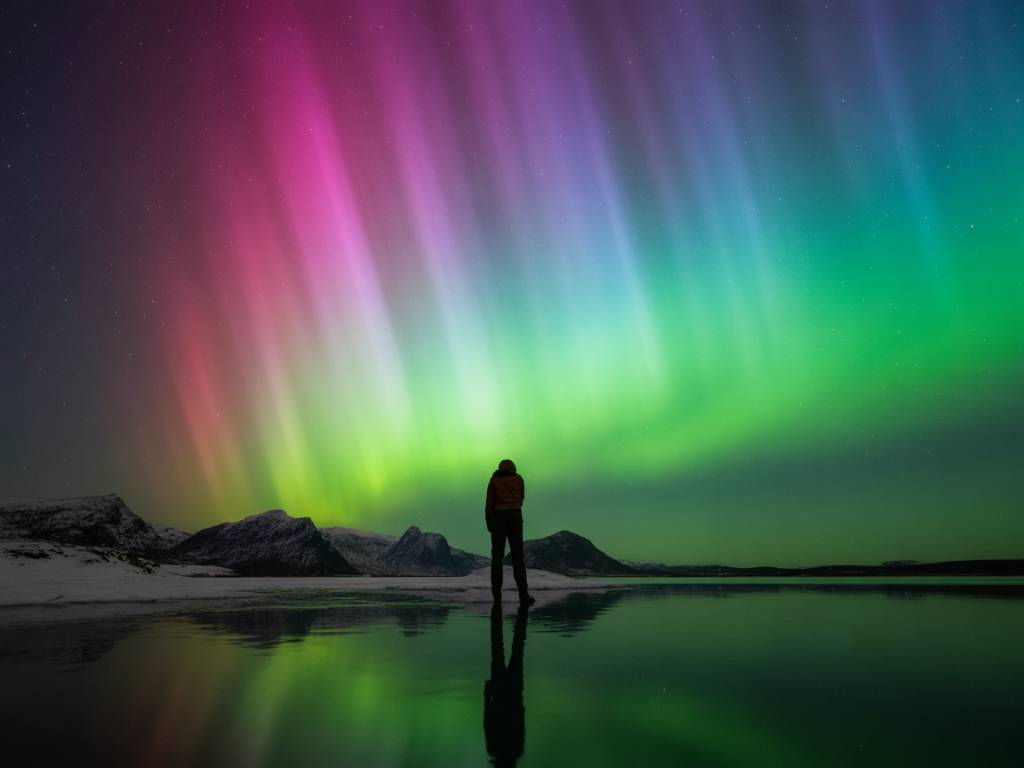
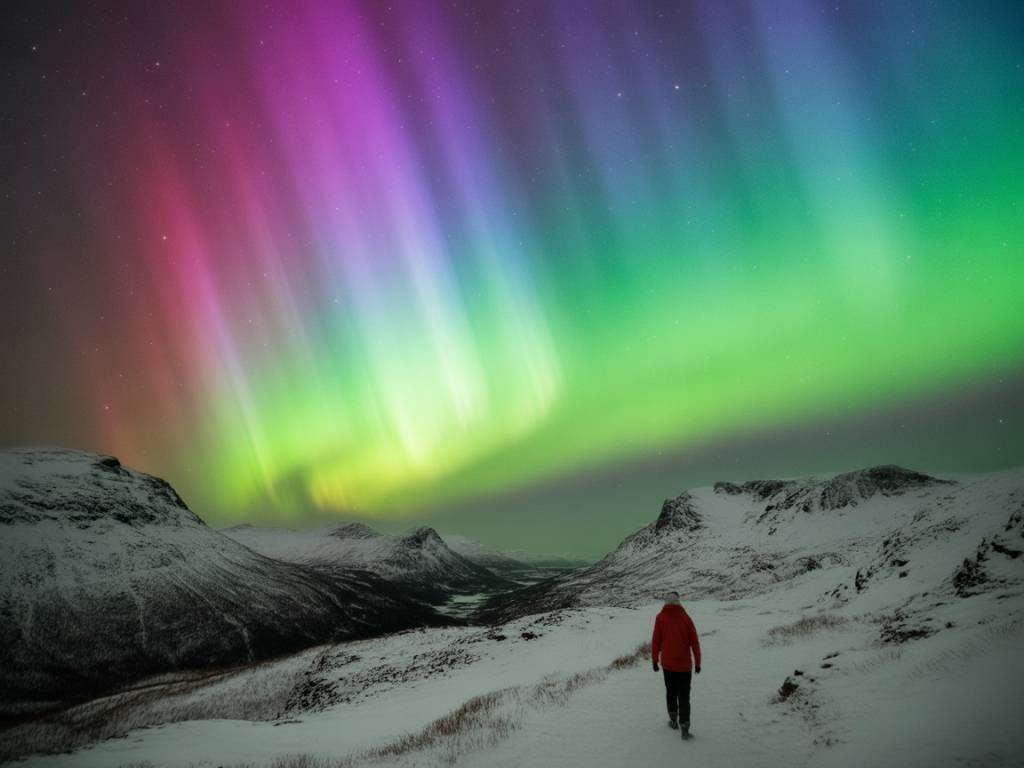
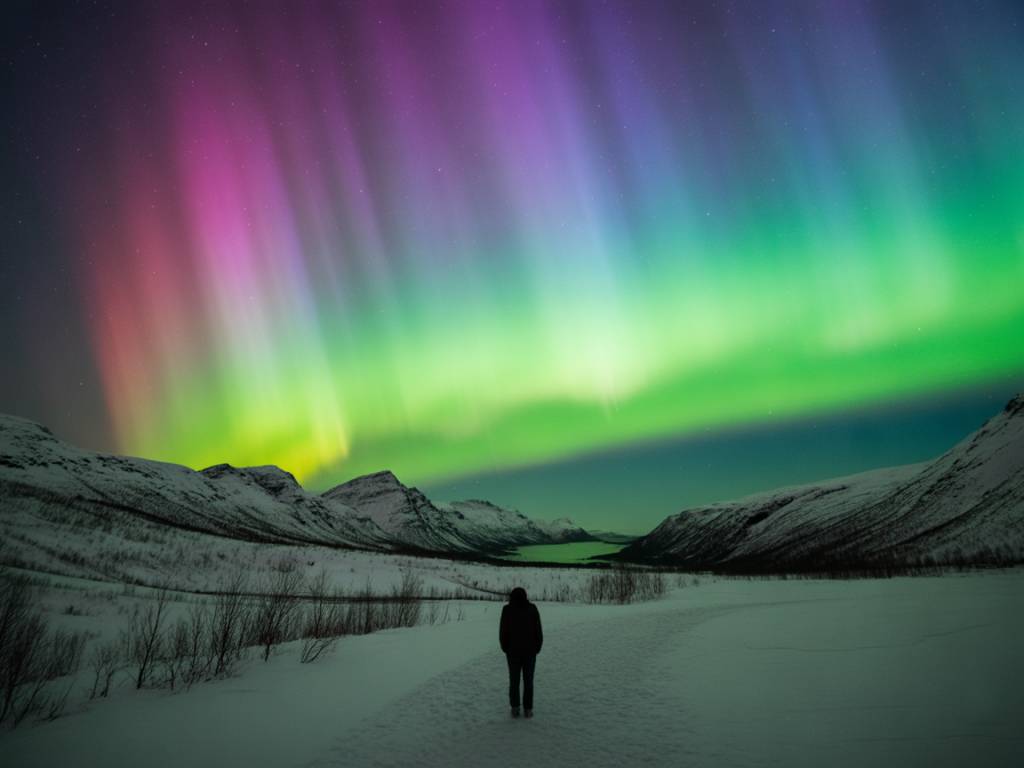
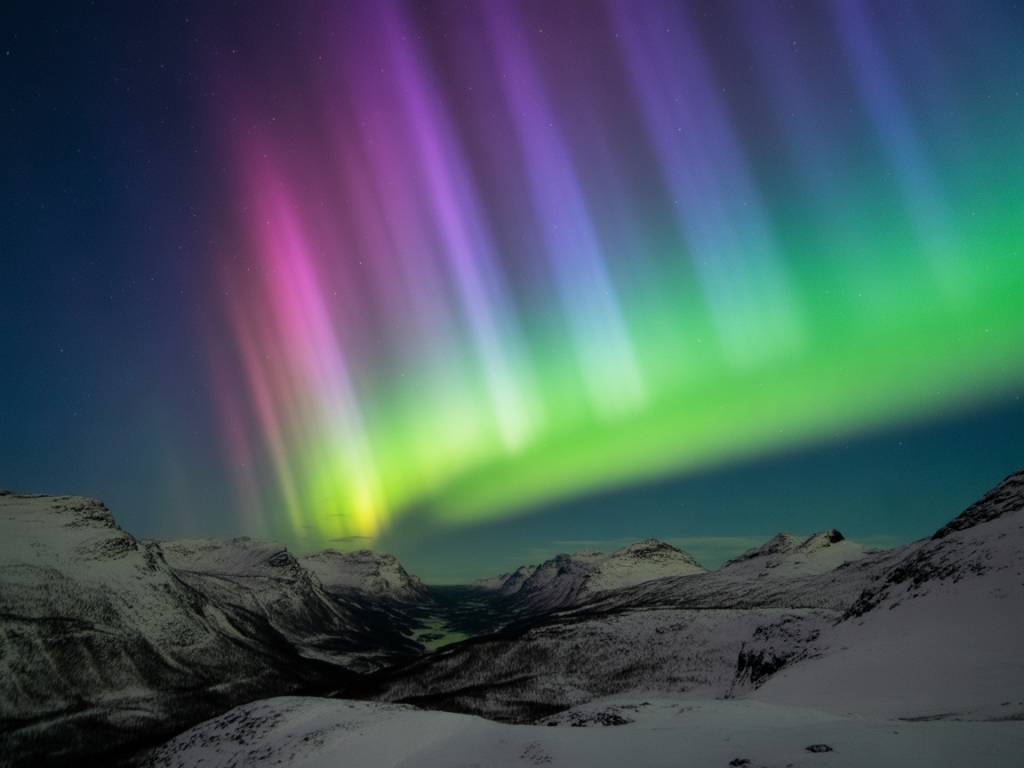
The key is understanding that shoulder season does not mean low aurora activity. The Northern Lights are driven by solar wind and geomagnetic conditions, not by the season itself. What matters most is darkness, clear skies, and your ability to get away from light pollution.
Best Cities in the Northern Hemisphere for an Aurora Trip
Several cities in the northern hemisphere offer strong access to aurora viewing while still providing comfort, infrastructure, and transport links. Choosing a northern city is often the best first step, because you can combine urban convenience with easy access to dark-sky areas.
- Tromsø, Norway: One of the most popular northern lights destinations in Europe, with excellent tour options and easy access to Arctic landscapes.
- Reykjavik, Iceland: A practical base for first-time travelers, with day trips, geothermal attractions, and frequent aurora tours leaving the city.
- Abisko, Sweden: Not a large city, but a famous aurora hotspot near a well-known “blue hole” climate effect that can create clearer skies.
- Rovaniemi, Finland: A northern gateway with good services, family-friendly lodging, and reliable winter and shoulder-season tourism infrastructure.
- Yellowknife, Canada: One of the strongest aurora-viewing cities in North America, known for high aurora frequency and open skies.
- Fairbanks, Alaska: A classic choice for seeing the aurora borealis, with strong winter access and many dedicated aurora lodges nearby.
Each city has its own strengths. Some are better for easy access and guided tours. Others are better if you want a more independent trip. A smart first-time plan matches your travel style with the city’s climate, latitude, and local services.
How Shoulder Season Weather Affects Aurora Viewing
Weather is one of the biggest variables in any northern lights forecast. Clear skies matter more than cold temperatures. That is why the shoulder season can be both useful and unpredictable.
In early autumn, temperatures are milder and roads are often easier to manage. In spring, the snow may begin to melt in some regions, which can improve access to viewing locations. However, the trade-off is that clouds may still be common, and storms can move through quickly. You need flexibility.
Aurora hunters often say that a great forecast is not enough on its own. They are right. You need a combination of solar activity, dark skies, and local weather conditions that cooperate on the same night. That is why staying several nights in one northern city usually gives you the best odds.
Choosing the Right Time of Year for Maximum Aurora Chances
The best months for aurora viewing in the shoulder season are usually September, October, late February, March, and early April. During these periods, the nights are dark enough, but you may avoid the most intense winter crowds.
September is often appealing because the ground is not yet locked in deep snow, and the landscape may still have autumn color. March can also be excellent, especially in Arctic regions where the nights remain long enough and the skies may be clearer than in midwinter. These windows are ideal if you want a balance between comfort and aurora probability.
If your goal is to maximize aurora chances, avoid planning around a single night. Instead, build your trip around a three- to five-night stay. This gives you a much better chance of catching a clear opening in the clouds and matching it with active geomagnetic conditions.
How to Read Aurora Forecasts Before You Travel
Understanding aurora forecasts helps you make better decisions before and during your trip. The most useful indicators are the KP index, cloud cover, and local weather patterns. The KP index measures geomagnetic activity, while cloud cover tells you whether the sky will actually be visible.
Many first-time travelers focus too much on the KP number. That is a mistake. A high KP forecast does not guarantee a visible display if the sky is cloudy. A moderate aurora forecast under a clear sky can be more rewarding than an extreme forecast hidden behind thick cloud cover.
Look for reliable aurora apps, local meteorological services, and webcams from the city or surrounding region. These tools help you react quickly. They also make it easier to decide whether to stay in town, drive to a darker location, or join a guided excursion.
Why Staying Multiple Nights Improves Your Odds
One of the simplest ways to maximize aurora chances is to spend more than one night in your chosen destination. The Northern Lights are never guaranteed. Even in strong aurora zones, weather can shift fast, and a cloud layer can block the show entirely.
Multiple nights reduce risk. They also give you time to adjust your viewing strategy based on the forecast. If the city center is too bright, you can head out to a nearby shoreline, hill, or rural viewpoint. If the weather changes, you can wait for a second or third opportunity.
This is especially important in the shoulder season, when conditions may be less stable than in the coldest part of winter. Patience is part of the experience. So is flexibility.
Practical Northern Lights Trip Planning Tips for First-Time Travelers
A successful aurora trip is built on preparation. The best viewing plans combine location, timing, clothing, and transport options. Even if you are staying in a comfortable city, you should still think like an aurora observer.
- Book accommodation with flexible cancellation policies when possible.
- Choose a city with easy access to dark-sky areas outside the center.
- Reserve guided aurora tours in advance if you do not want to drive at night.
- Plan for at least three nights to increase your chances of seeing the lights.
- Bring layered clothing, even in shoulder season, because Arctic evenings can be cold.
- Check moon phases, since a bright moon can reduce contrast in weaker displays.
- Charge phones, cameras, and power banks before heading out.
Travel logistics matter. A lot. If you are in a place like Reykjavik, Tromsø, or Fairbanks, you can often find tours that leave after dinner and return late at night. That convenience is useful for beginners who want a guided experience without needing to navigate unfamiliar roads in darkness.
What to Pack for a Shoulder Season Aurora Trip
Packing for the shoulder season requires a practical approach. The weather may be milder than midwinter, but temperatures can still fall sharply after sunset. Wind, moisture, and long waiting periods can make a comfortable night feel much colder than expected.
Bring thermal layers, a waterproof outer shell, gloves, a hat, and insulated footwear. A tripod is essential if you want to photograph the aurora borealis. A phone can capture the lights on some newer models, but a camera with manual settings usually performs better in low light.
Other useful items include hand warmers, a headlamp with red light mode, extra batteries, and a thermos. These small items make a noticeable difference during a long night outside. They also help you stay focused on the sky instead of the temperature.
How to Maximize Your Aurora Viewing Experience in and Around the City
Cities in the northern hemisphere are convenient bases, but light pollution can limit what you see from the center. That is why many travelers leave the downtown area and move to nearby parks, coastal roads, lakesides, or elevated viewpoints. Even a short drive can improve visibility significantly.
If you are visiting a city like Tromsø, Rovaniemi, or Yellowknife, ask locally about the best nearby observing spots. Residents often know where the darkest skies are and which routes stay accessible in the shoulder season. A local guide can save time and help you avoid bad roads or poor viewing angles.
Photography is also part of the experience for many travelers. Use a wide-angle lens if you have one. Set a high ISO, open your aperture, and experiment with exposure times. Keep your camera steady. And remember that the naked-eye view can be different from what the camera sees, especially during faint displays.
Shoulder Season Advantages for Northern Lights Tourism
The shoulder season offers a useful mix of affordability and comfort. Hotels may be easier to book, tours may be less crowded, and restaurants often feel less rushed than in peak winter travel periods. For many first-time visitors, that makes the whole trip more enjoyable.
There is also a psychological advantage. Less crowding can make the aurora feel more personal and memorable. You are not standing shoulder to shoulder with dozens of other travelers. You have space to watch, wait, and respond when the sky changes.
That calmer atmosphere can be especially valuable if you are combining the northern lights with other activities, such as dog sledding, geothermal bathing, Arctic food experiences, or local museum visits. The shoulder season makes it easier to build a broader travel itinerary without feeling locked into peak-season schedules.
Final Planning Advice for a First Northern Lights Trip
If this is your first aurora trip, keep the plan simple and realistic. Choose a northern city with strong infrastructure, stay several nights, and remain flexible with your viewing times. Do not rely on one perfect forecast. Build a trip that gives you multiple chances.
The shoulder season is an excellent choice for travelers who want a better balance between aurora opportunities and manageable crowds. It is not the easiest time in every sense, but it can be one of the smartest. With the right destination, the right clothing, and the right expectations, you can dramatically improve your chances of seeing the northern lights in a memorable way.
Think of the trip as a combination of science, planning, and patience. That approach works well. It gives you the best opportunity to experience the aurora borealis while still enjoying the comfort and accessibility of a northern city.