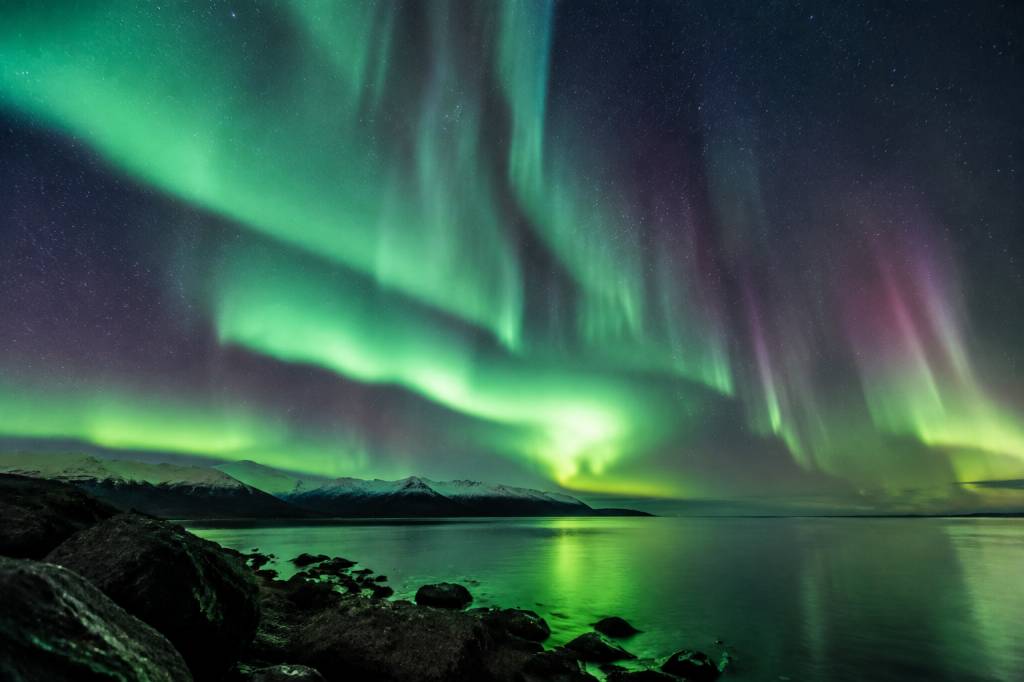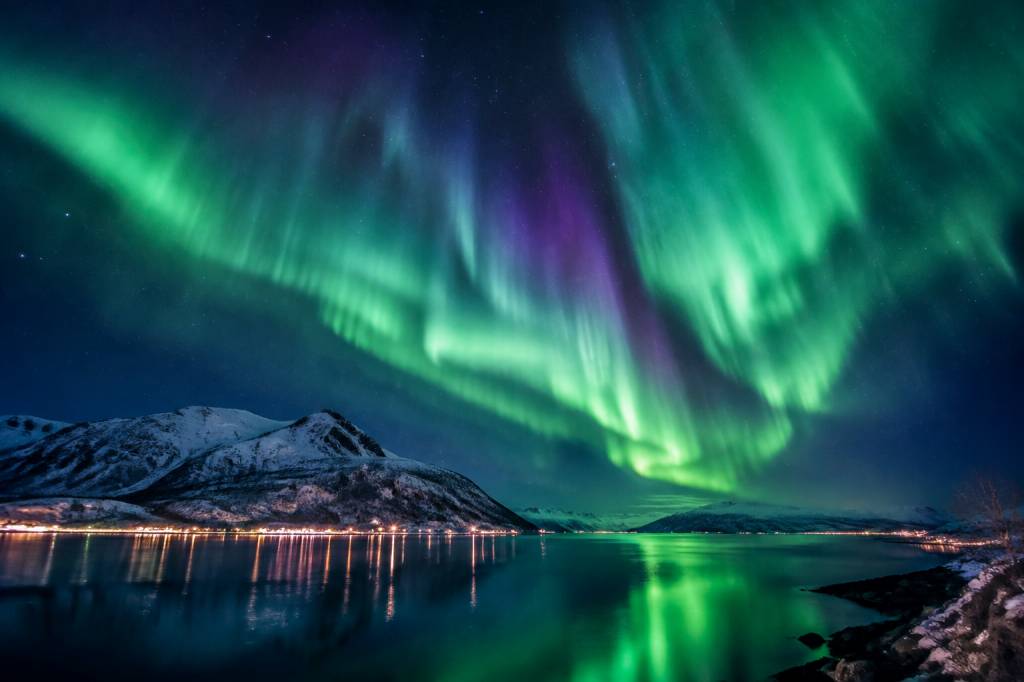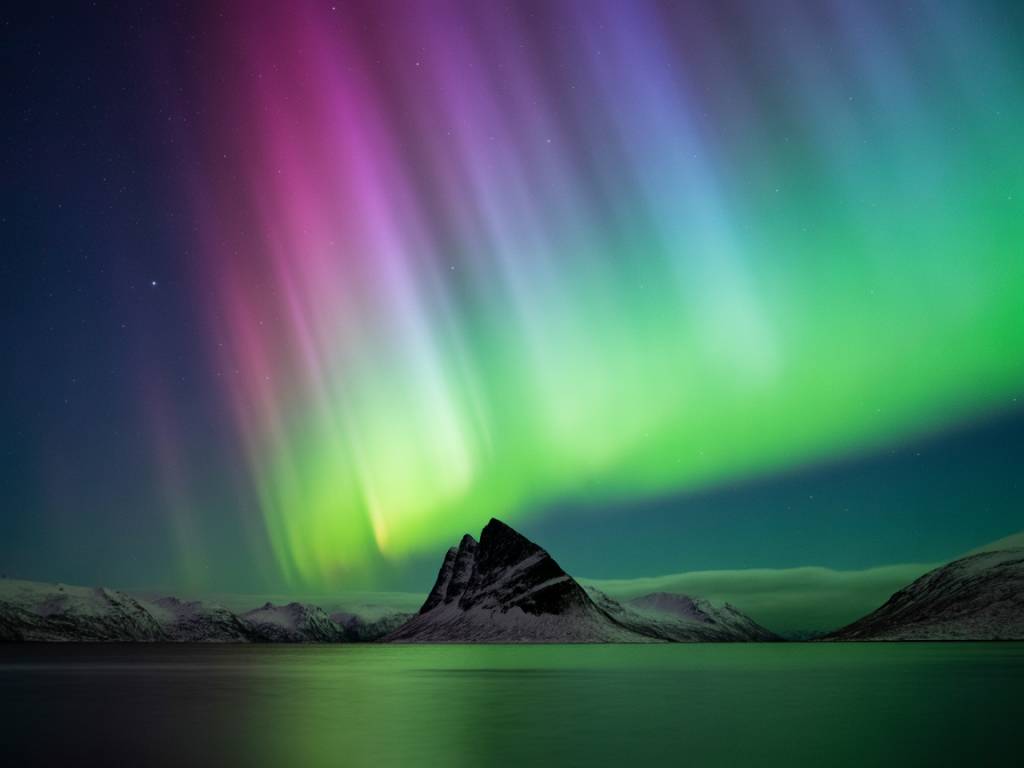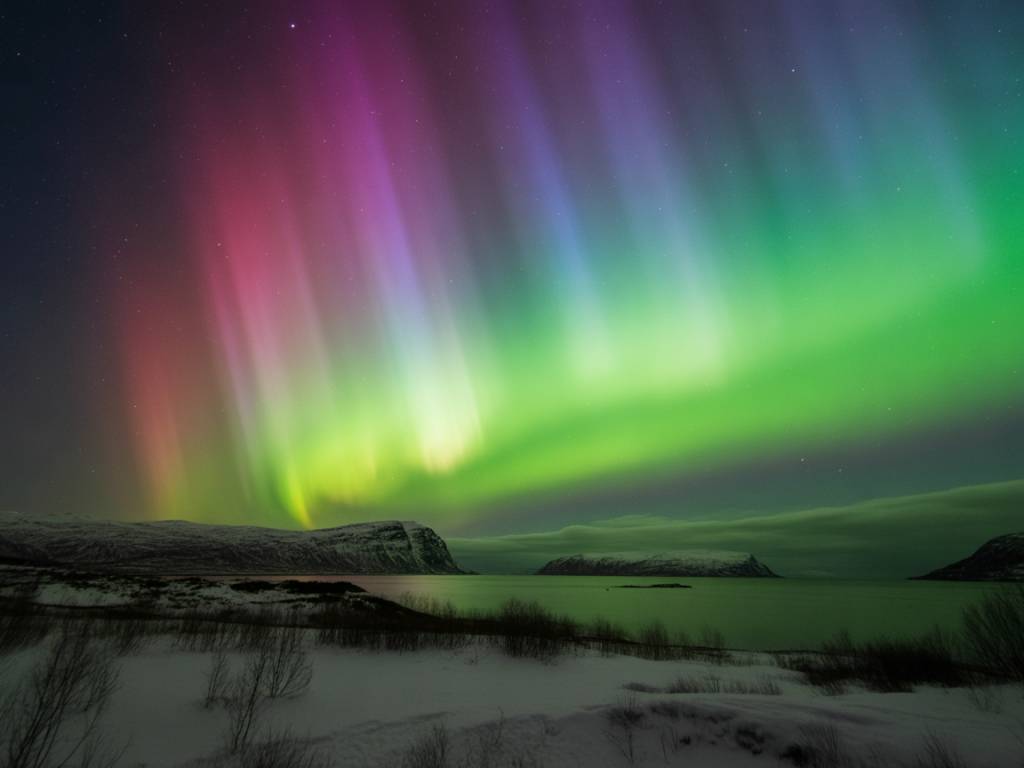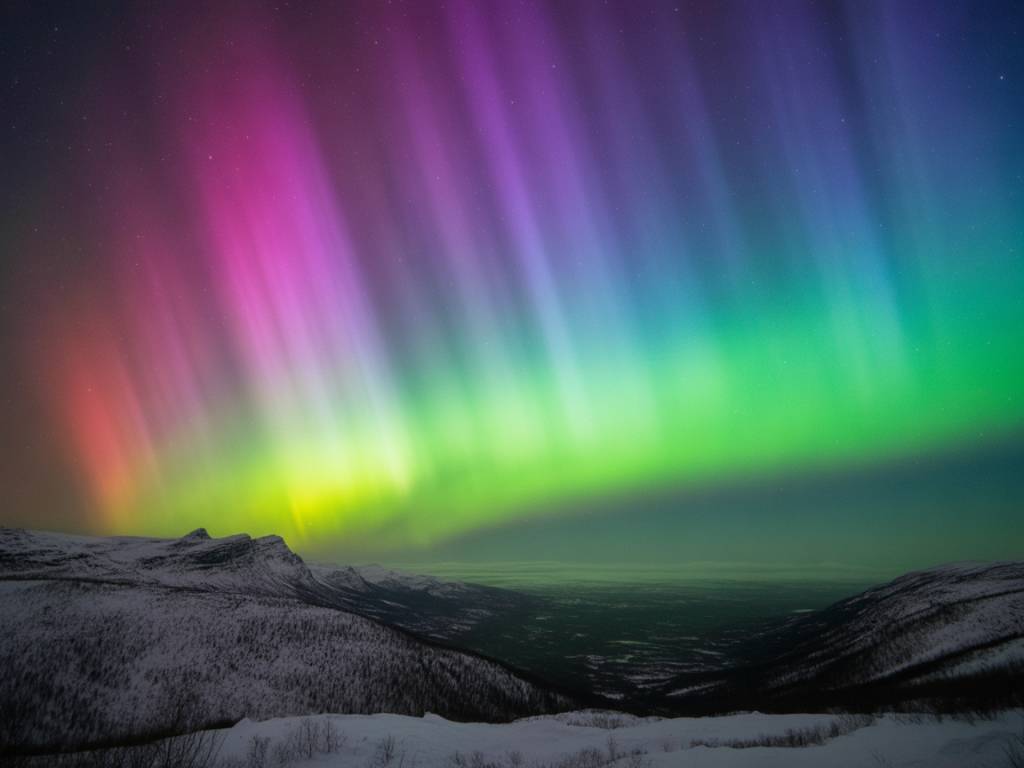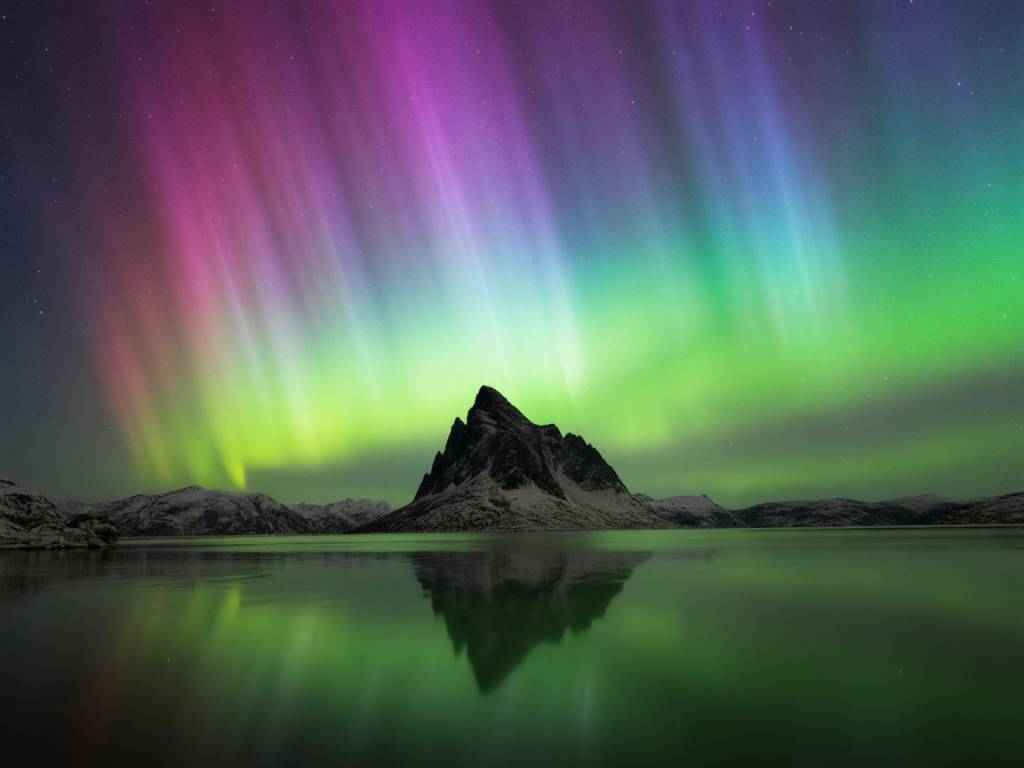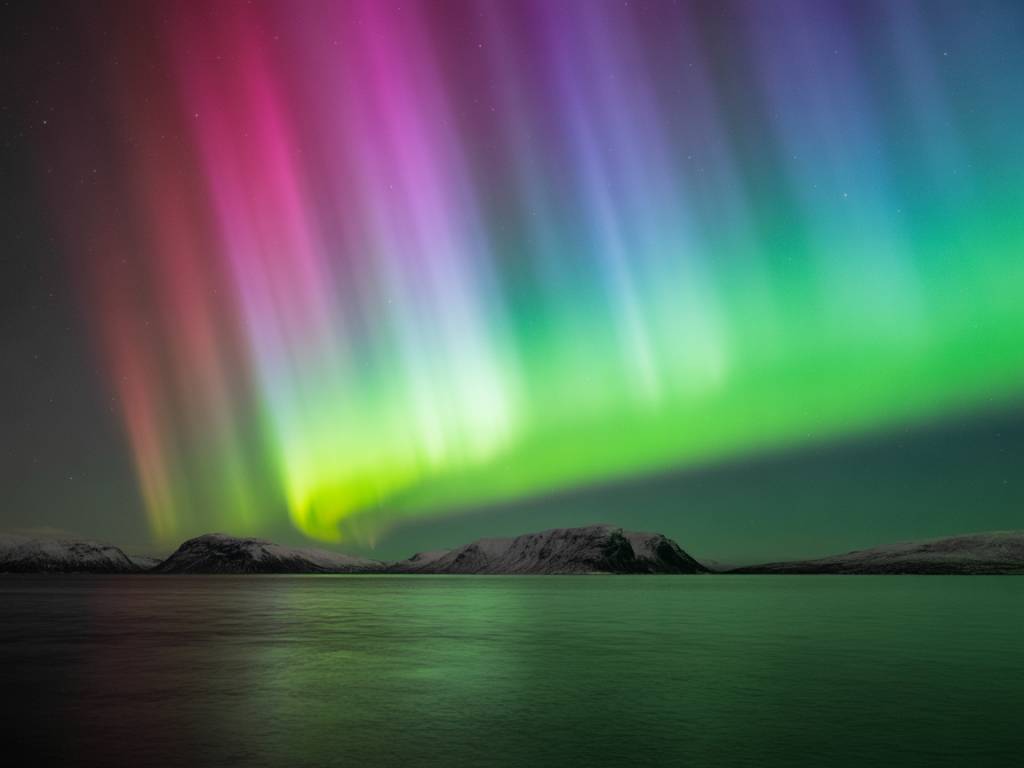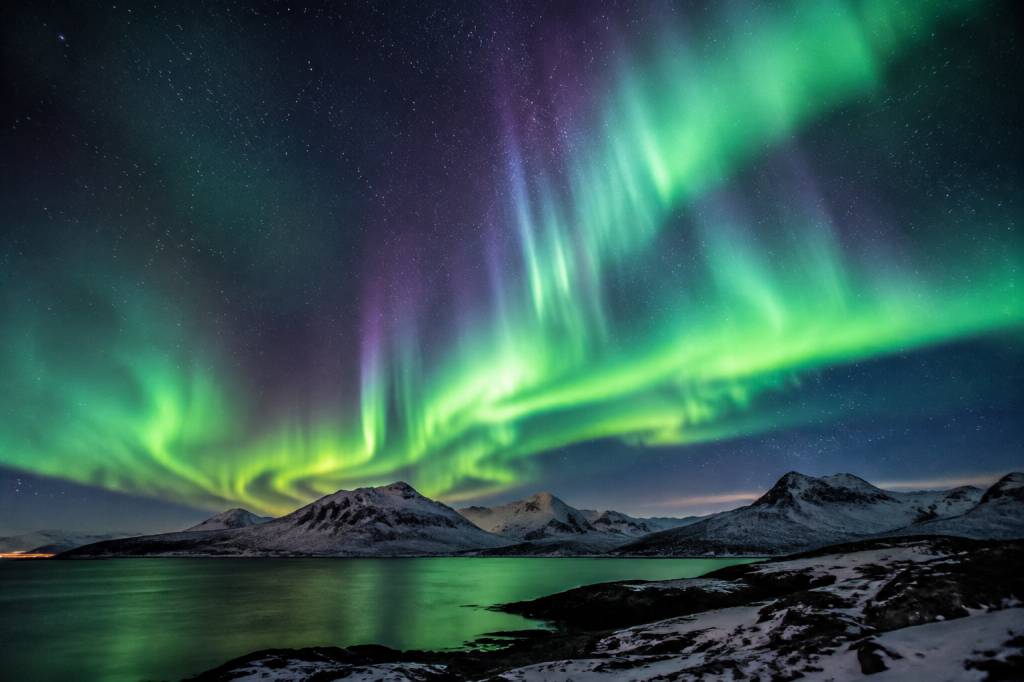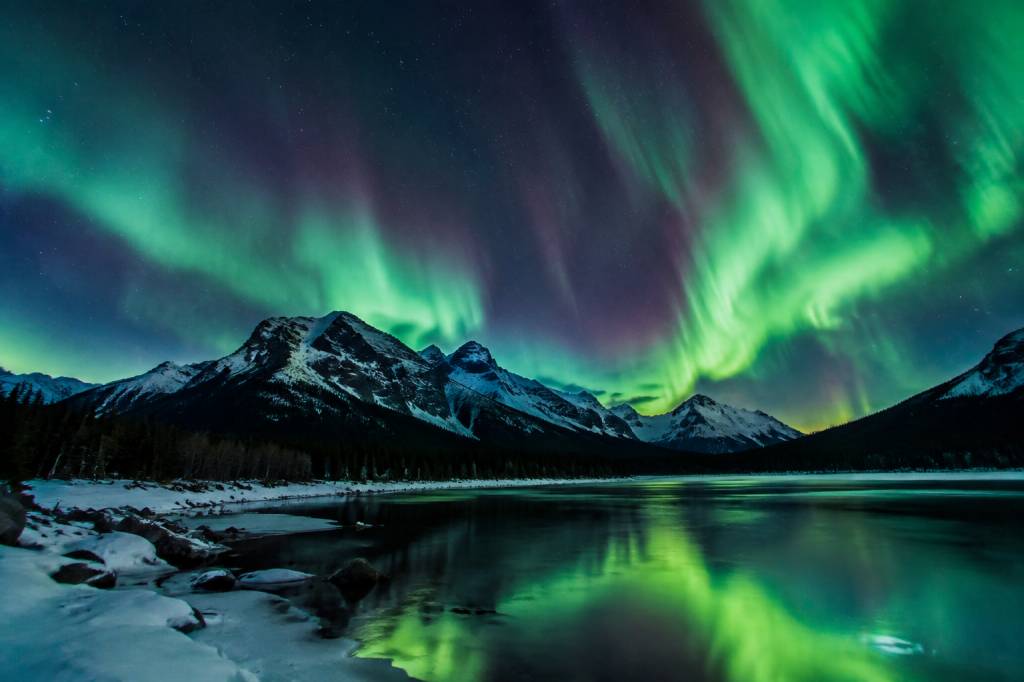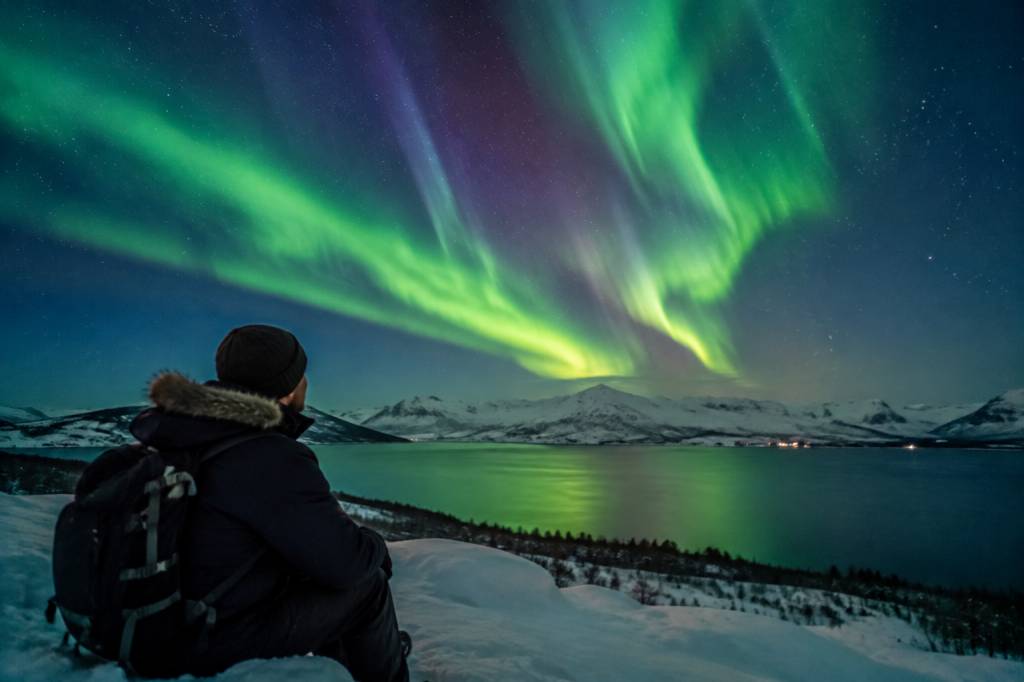

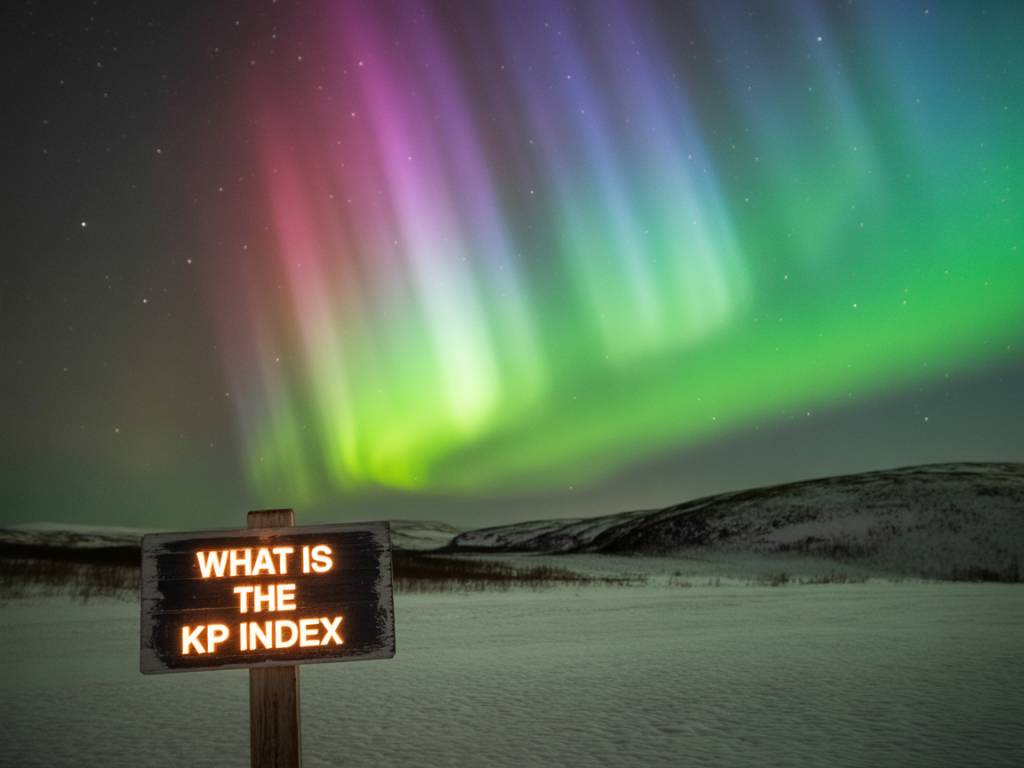
If you’ve started planning a trip to see the northern lights, you’ve probably stumbled across this mysterious thing called the “Kp index”. It’s on every forecast website, in every Facebook group, and people talk about it like a magic number: “You need Kp 5+ to see auroras!”, “The Kp is only 2, don’t bother going out.”
That’s not how it works.
In this article, I’ll explain what the Kp index really measures, how it’s calculated, and, most importantly, how to use it to make real decisions on the ground: do you stay in town, drive out of the city, or go back to bed?
What is the Kp index in simple words?
The Kp index is a number from 0 to 9 that measures how disturbed the Earth’s magnetic field is because of solar activity. The higher the Kp, the more the auroral oval expands away from the poles and the more likely you are to see auroras at lower latitudes.
In other words:
- Kp 0–1: Very quiet. Auroras stay close to the polar regions.
- Kp 2–3: Low to moderate activity. Good for northern Scandinavia, Iceland, northern Canada, Alaska.
- Kp 4–5: Active to storm level. Auroras visible further south: Scotland, Baltic countries, parts of northern USA, central Europe on the best nights.
- Kp 6–9: Strong geomagnetic storm. Auroras can reach much lower latitudes, sometimes down to northern France or the central USA.
So the Kp index tells you how far the auroral oval is pushed towards your latitude. It does not tell you how bright the auroras will be at your exact spot, or if clouds will block everything.
How is the Kp index actually measured?
The Kp index is not a guess from one observatory. It’s a global index built from measurements taken at different magnetic observatories around the world between about 44° and 60° of latitude.
Here’s the short version of what happens:
- Magnetic observatories record how much the Earth’s magnetic field is disturbed over 3-hour blocks.
- Each observatory uses its local scale (K index) to rate that disturbance from 0 (calm) to 9 (very disturbed).
- These local K values are combined and “averaged” (it’s a bit more complex than a simple average) into a global index: the Kp.
That “p” stands for “planetary”. So Kp is a planetary, 3-hourly index of geomagnetic activity.
Technical detail worth remembering for planning: Kp is not real-time, and it’s not local. It updates in 3-hour steps and gives you a global view, not the micro-conditions above your head.
What does each Kp value mean for aurora hunters?
Let’s skip the theory and translate Kp directly into field expectations. These are approximations, but they work well when you combine them with your latitude and a cloud forecast.
Kp 0–1 – Very quiet
- Auroras: Usually only visible in the high Arctic (e.g. Svalbard, northern Greenland) and close to the magnetic pole.
- For typical aurora destinations (Tromsø, Abisko, Rovaniemi, Fairbanks, Reykjavik): you might still see faint arcs near the northern horizon, but it’s not reliable.
- If you’re far north and the sky is crystal clear, it can still be worth a short check outside town, but don’t build your whole night on Kp 0.
Kp 2–3 – Low to moderate activity
- This is what I call “normal aurora weather” for the polar regions.
- In northern Norway, Sweden, Finland, Iceland, Alaska, northern Canada: you can often see auroras overhead or to the south if the sky is clear.
- If you are based in a classic aurora city (Tromsø, Fairbanks, Reykjavik), Kp 2–3 + clear sky is already a good reason to leave the hotel after dinner.
Kp 4–5 – Active to storm level
- The auroral oval expands south. This is when social media starts to explode with pictures.
- Scotland, the Faroe Islands, Baltic countries, northern USA states (e.g. Montana, North Dakota, Minnesota) often have a chance of seeing auroras, especially low on the northern horizon.
- In the main aurora belt (northern Scandinavia, Iceland, Alaska): auroras can be very dynamic, with coronas overhead and fast-moving curtains.
Kp 6–9 – Strong to extreme storms
- These are the “once in several years” type of events.
- Auroras can be visible much further south: central Europe, the UK, northern France, central USA, sometimes even lower.
- From the aurora belt, the whole sky can be filled with light. It’s beautiful, but also harder to photograph properly.
Important: a short burst of Kp 5 for one 3-hour interval is not the same as a long-lasting, stable Kp 5. For trip planning, long duration at moderate Kp (2–4) is often more useful than a single spike at 6 during daylight for your location.
Why “You need Kp 5 to see auroras” is usually wrong
I hear this sentence all the time from travellers when I meet them at viewpoints or parking spots. It comes from people living much further south, where auroras are rare and usually associated with big storms.
But if you’re travelling to classic aurora destinations above 65°N, you absolutely do not need Kp 5.
Here’s a realistic reference:
- In Tromsø, Abisko, Rovaniemi, Fairbanks, Yellowknife, Reykjavik:
- You can see auroras at Kp 1–2 if the sky is clear and you’re away from city lights.
- You often get a nice show around Kp 2–3.
- Kp 4–5+ in these areas is more like “wow, that’s strong tonight” than “finally, we can see something”.
I’ve had many nights where the official Kp stayed around 2 while the sky above me was full of green arcs, dancing structures, and even some red and purple. At the same time, people in town were looking at an app that said “Low activity, Kp 2” and decided to stay at the bar.
Moral of the story: if you are already under or near the auroral oval, clear skies & location are more important than chasing a big Kp number.
How to use the Kp index in practice (step by step)
Let’s turn the theory into a simple decision process you can use on your trip. Combine:
- Your location (latitude)
- Kp forecast and real-time value
- Cloud cover forecast
- Local light pollution (city vs countryside)
1. Check if your latitude is “inside the belt” for the expected Kp
As a rough guide, for a chance of visible auroras:
- Kp 2–3: Good within ~64–70°N (northern Scandinavia, Iceland, Alaska, northern Canada).
- Kp 4: Can reach ~58–62°N (Scotland, southern Scandinavia, parts of Canada and northern USA).
- Kp 5–6: Can drop to ~50–55°N (northern Germany, Netherlands, Poland, much of the northern USA).
- Kp 7–8+: Can be visible even further south.
This is approximate, but it helps you decide if you’re geographically well placed for the night’s forecasted Kp.
2. Compare Kp forecast with cloud cover
Nice Kp with full cloud cover is useless. I treat Kp like this:
- High Kp + clear sky: Priority night. I cancel or reduce indoor activities and stay mobile.
- Moderate Kp (2–3) + clear sky in the aurora belt: Definitely go out of town. Good chance of a show.
- High Kp + heavy clouds: Look for gaps in the cloud forecast or lower cloud areas within 1–2 hours’ drive. If that’s impossible, accept that the storm might “pass above the clouds”.
That’s where city-based fallback plans help: if clouds win, you still know where to enjoy the evening without feeling like you missed everything.
3. Decide how far you need to drive from the city
Use Kp as a hint for how much effort to invest:
- Kp 1–2 in a good aurora city (e.g. Tromsø):
- Short drive (20–40 minutes) to escape light pollution is usually enough.
- Pick a known parking spot with clear northern horizon.
- Kp 3–4:
- If you’re further south (Scotland, southern Sweden), it’s worth a longer drive to a dark-sky area and a viewpoint with a clear north view.
- Kp 5+ and you’re in central or southern Europe / central USA:
- You want the darkest place you can reasonably reach, with open horizon. Even low-intensity auroras will be low on the northern horizon, not overhead.
4. Use Kp to set your expectations for the night
To reduce “forecast stress”, I suggest thinking in three levels:
- Low Kp (0–1): “Bonus night.” If something shows up, it’s a gift. Don’t base your only excursion on this.
- Moderate Kp (2–3): “Core business.” In the aurora belt, this is your bread-and-butter night. Be ready, especially if skies are clear for several hours.
- High Kp (4+): “Alert mode.” If clouds cooperate, you may get extended activity, visible further south, and brighter structures. Plan your driving, your fuel, and your coffee accordingly.
Common mistakes when using the Kp index
Here are the errors I see the most when I’m on the field with travellers.
1. Trusting only one number from a screenshot
People love to screenshot a Kp value from some app and make decisions based on that single number. But:
- Kp is an average over 3 hours.
- It’s global, not local.
- Forecasts can change during the day.
Better habit: check Kp trend (is it stable, rising, dropping?) and combine it with solar wind data if possible (speed, Bz) plus your local cloud forecast.
2. Ignoring the time of day
You can have Kp 7 at noon for your longitude and see exactly zero auroras at night because the storm is over by then. The index doesn’t care about your local darkness; it’s just describing geomagnetic disturbance.
Always ask: Will the Kp be elevated during my local night hours?
3. Forgetting that clouds beat Kp every time
I’ve had nights with modest Kp 2 and perfect clear skies that produced much better aurora experiences than Kp 5 with 80% cloud cover. If you only have a few nights, prioritize clear sky areas within driving distance over chasing tiny Kp differences.
4. Thinking Kp guarantees brightness
A high Kp means the auroral oval shifts south; it does not guarantee that, at your exact location, the aurora will be bright all night. You can have:
- Periods of weak, diffuse glow.
- Short but intense bursts (substorms) lasting 10–30 minutes.
This is why I always tell people: stay outside long enough. A 10-minute look between two Netflix episodes can make you miss the only strong burst of the night.
Real-world example: Using Kp on a trip to Tromsø
Let’s say you’re in Tromsø (around 69°N) for three nights. Here’s how you could use Kp and clouds to shape your nights.
Night 1
- Kp forecast: 2–3 for the night.
- Clouds: 20–30%, some passing clouds.
- Plan:
- Have early dinner in town.
- Around 20:00–21:00, drive 30–45 minutes away from city lights, to a known parking area with open view north and south.
- Stay out until at least 23:30–00:00. At Kp 2–3, a decent show is very possible.
Night 2
- Kp forecast: around 1–2.
- Clouds: mostly clear.
- Plan:
- You can treat this as a “lighter” aurora night.
- If you’re not too tired, still go 20–30 minutes out of town; you may still catch weak but pretty arcs.
- Accept that it could be quiet and enjoy the landscape and stars as part of the experience.
Night 3
- Kp forecast: 4–5 during your local night.
- Clouds: moving in from the west after midnight.
- Plan:
- Make this your serious aurora night.
- Be ready to leave town early (19:00–20:00) and head towards an area that the cloud models show as clearer (often inland or away from the incoming front).
- Stay mobile: if clouds arrive earlier, move to a backup valley or coastal area with better sky openings.
In this scenario, the “technical” best Kp is on Night 3, but you could still have your most memorable display on Night 1 if the timing of substorms, your patience outside, and your sky conditions align.
Using Kp when you live far from the auroral zone
If you live in, say, Germany, France, the UK, or the central USA, your relationship with Kp will be different. You’re not in the aurora belt, so you need higher Kp and more selective action.
Here’s how I’d use it in that case:
- Create alerts:
- Use apps or services that notify you when Kp is expected to reach 5+ or when a geomagnetic storm watch is issued.
- Prepare dark-sky locations in advance:
- Know 2–3 safe, accessible spots with a clear northern horizon within 30–60 minutes’ drive.
- Check daytime where you can park legally and stand safely at night.
- When Kp spikes to 6+ and the sky is clear:
- Go for it. Don’t overthink the exact number; if it’s dark and Kp is high, get outside.
- Start watching the northern horizon – at first you may only see a pale arch or a faint grey structure that cameras can detect more easily.
In mid-latitudes, you won’t use Kp every night, but when it climbs, it’s your trigger to drop other plans and give the sky a chance.
Quick checklist: How to read Kp for tonight
Before heading out, run through this simple checklist:
- What is my latitude?
- What is the forecasted Kp during my local dark hours?
- Are there cloud-free (or cloud-reduced) areas within 1–2 hours’ drive?
- Can auroras reach my latitude with that Kp, realistically?
- Do I know at least one safe, dark location to park and watch the sky?
- Am I ready to stay outside long enough (1–3 hours) to catch possible bursts?
If your answers line up reasonably well, go. You’re much better off under a “modest” Kp 2–3 sky that you actually watch than under Kp 6 you follow only from your phone screen in the hotel lobby.
The Kp index is a useful tool, but it’s only one piece of the puzzle. Treat it as a range and a trend, combine it with clouds and location, and your chances of turning a cold northern night into a real aurora memory will increase dramatically.