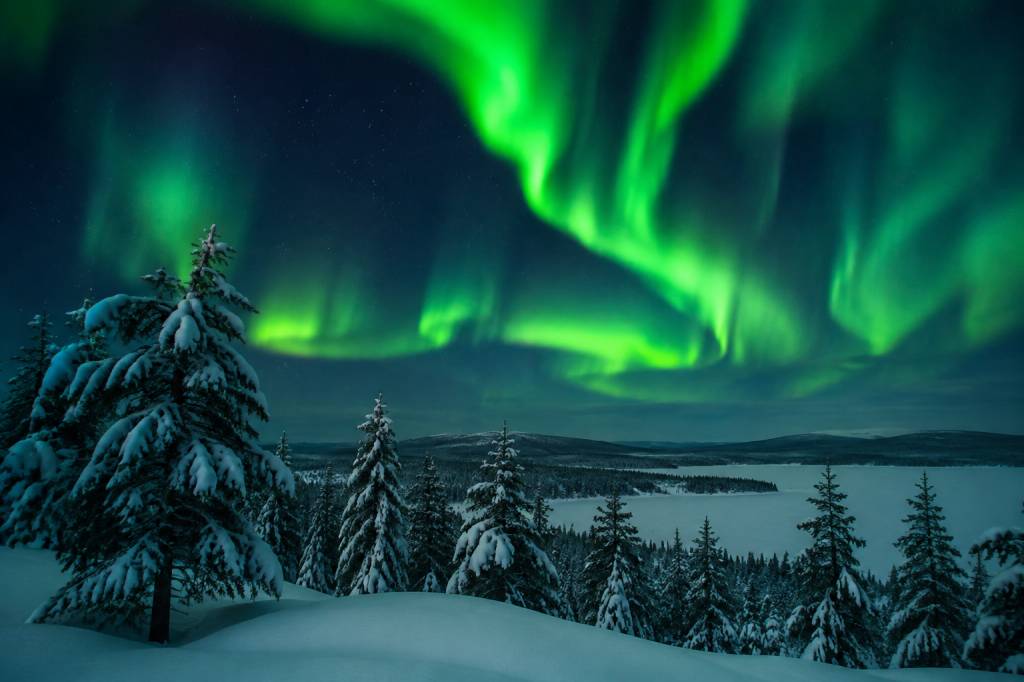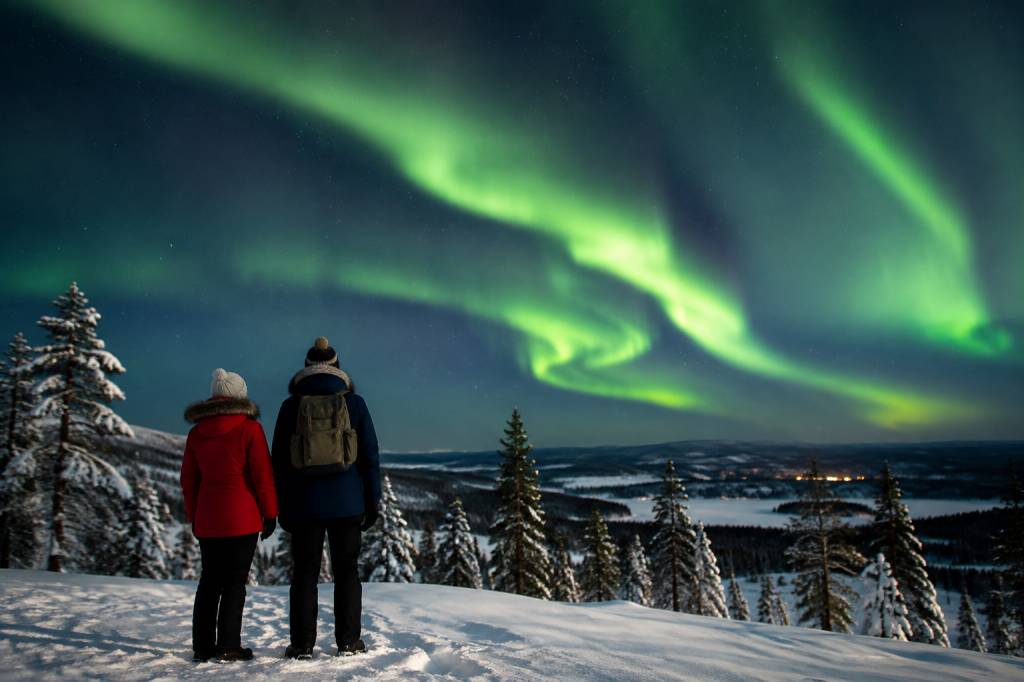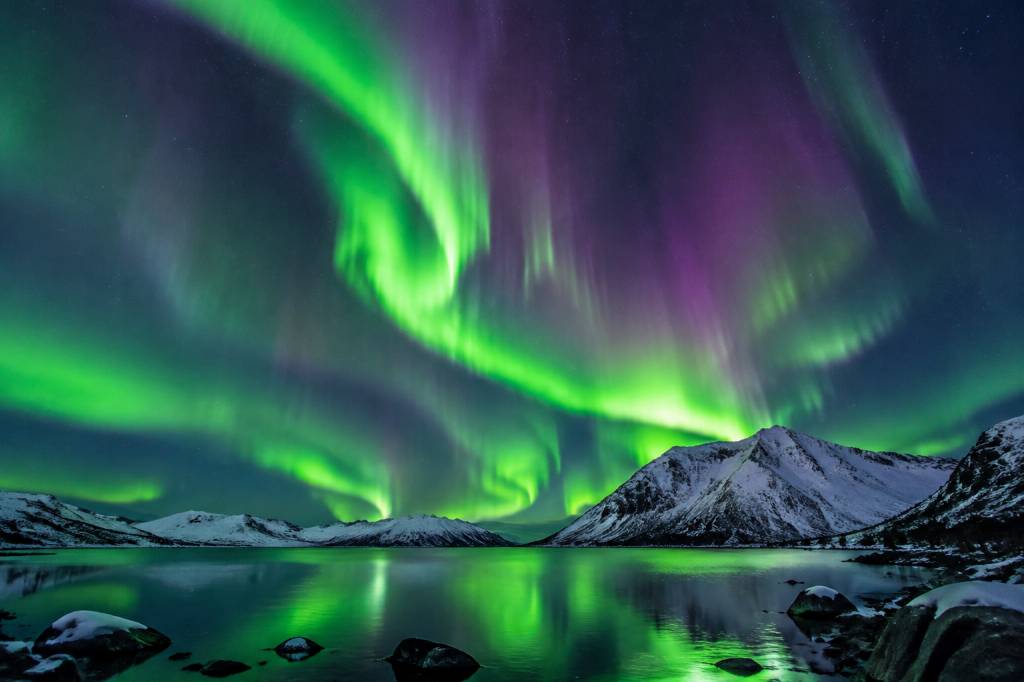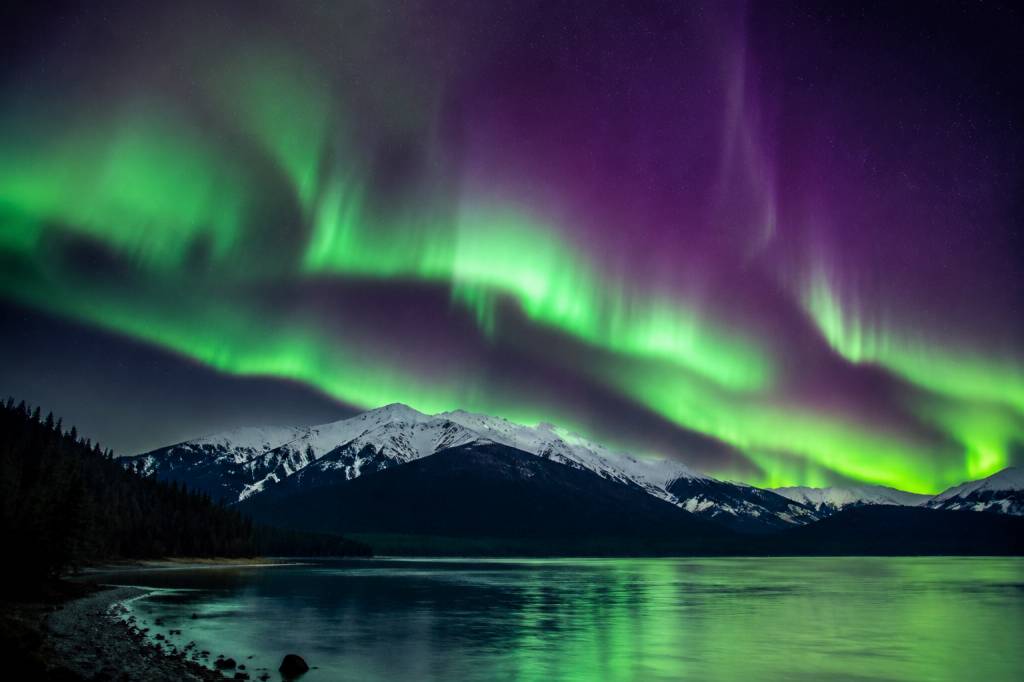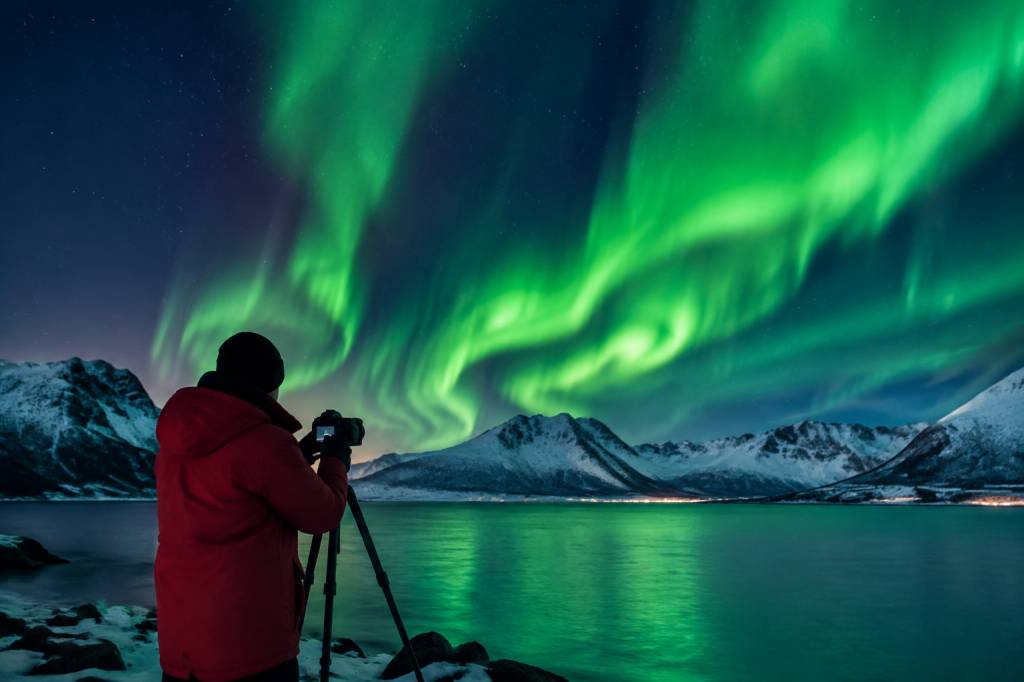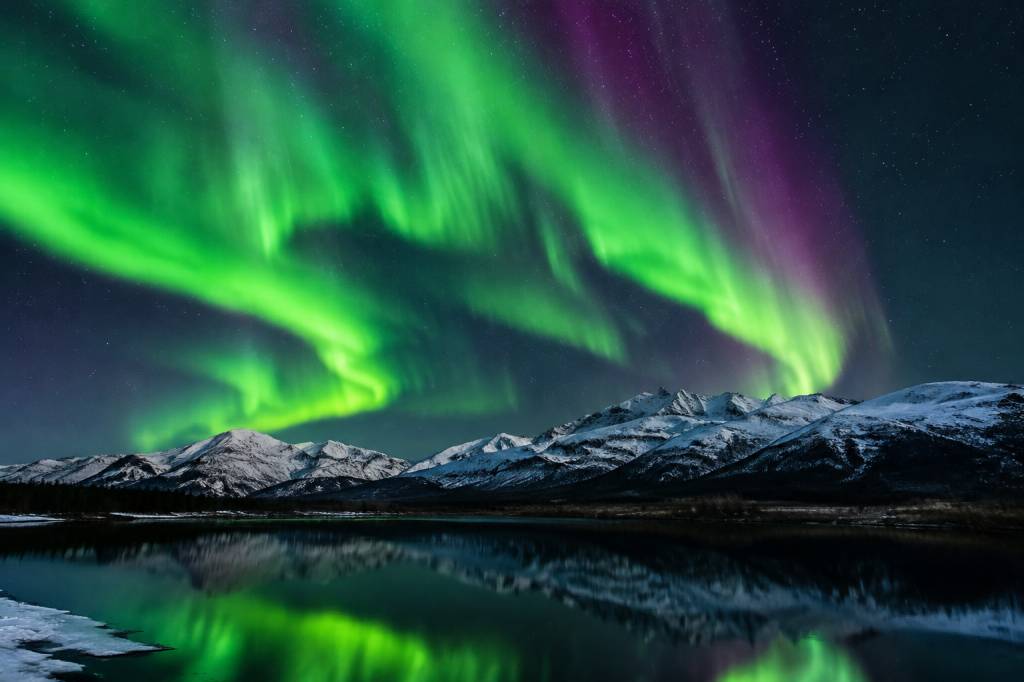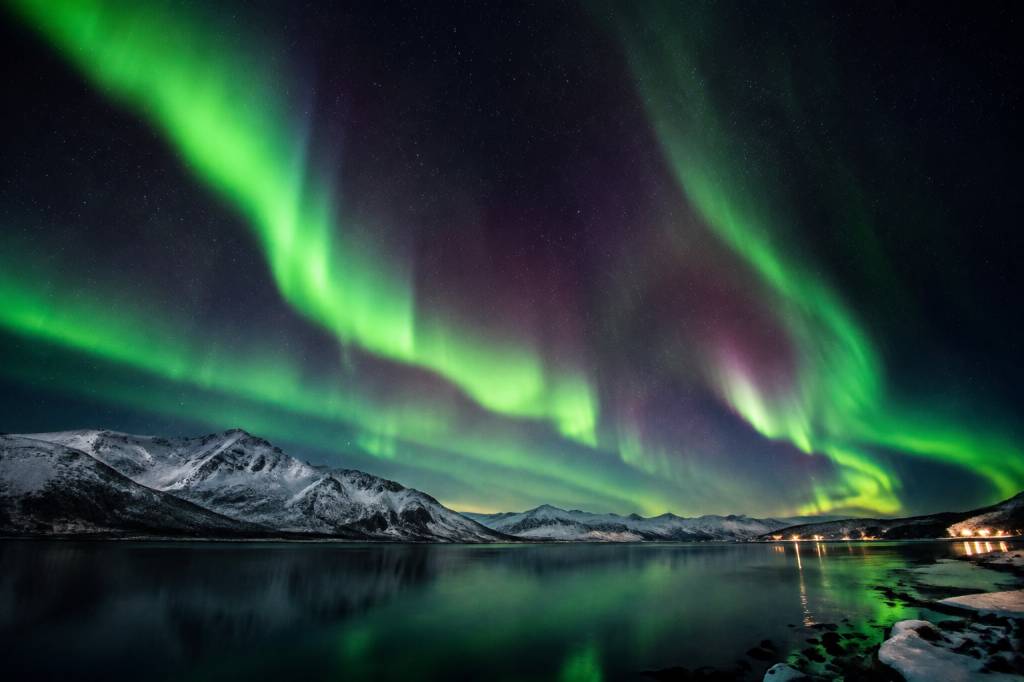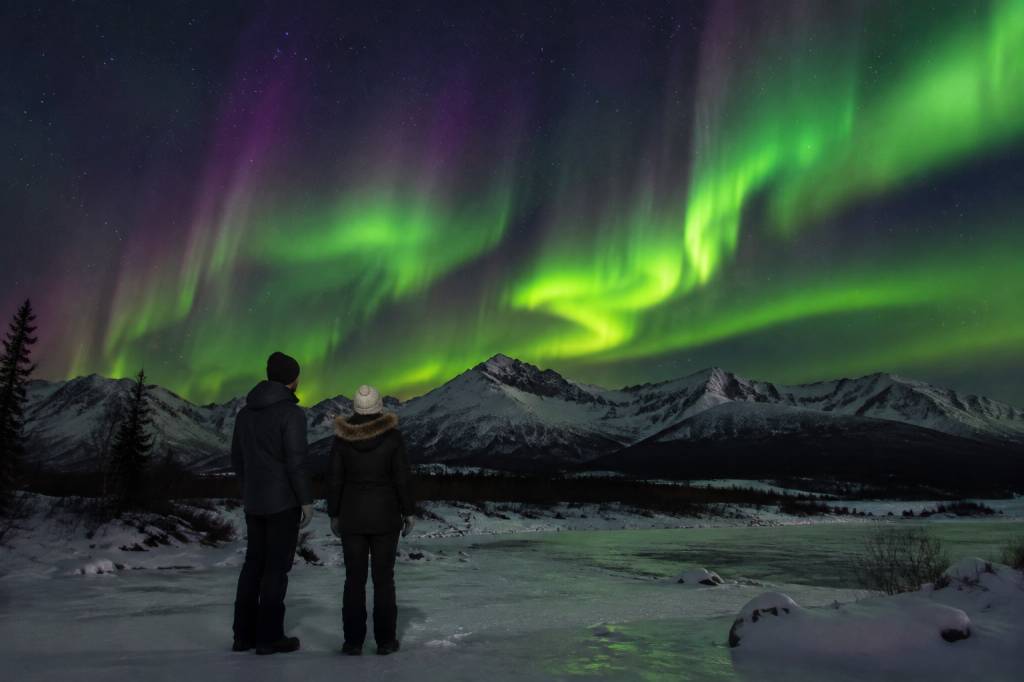

October is one of the most practical months for a northern lights trip. The nights are properly dark, winter travel conditions have not fully arrived in many destinations, and autumn colours can make the daytime landscape as memorable as the sky after sunset. But there is no guaranteed date, and a high aurora forecast cannot shine through thick cloud. The best plan is to choose a dark-sky base, check cloud cover as carefully as aurora activity, and leave yourself more than one night to look.
Here is how to time an October aurora hunt, where to go, and what to do when the forecast changes.
Why October can be a good month
By October, nights are long enough across much of the aurora zone for several hours of darkness. In northern Norway, Sweden and Finland, sunset comes earlier as the month progresses. Iceland also has increasingly long nights, while Alaska offers extended dark hours away from bright city lights. You do not need to wait until the middle of winter to see the aurora.
October also sits near the autumn equinox. Geomagnetic activity can be favourable around the equinoxes, but this is a broad seasonal tendency, not a promise that a specific evening will be active. A quiet-looking sky can still produce a display, and a strong solar storm is of little use if clouds cover your viewing area.
One useful advantage is the balance between darkness and access. Roads and services may be easier to manage than in deep winter, although conditions vary sharply by destination. October can still bring snow, ice, strong wind or heavy rain. Check local road and weather alerts rather than assuming that “autumn” means mild.
When to look for the northern lights
Plan to be outside during the darkest part of the night, but do not treat one hour as a magic window. Auroras can appear at different times, fade, and return. A sensible first check is from about 9 p.m. to 1 a.m. local time, with flexibility to stay later if activity is building and conditions remain safe. In October, darkness begins earlier than it does in summer, so check sunset and the end of twilight for your exact location.
Look north if you are at the southern edge of the aurora zone, but keep the whole sky in view. A bright display may stretch overhead or appear in another direction. At high latitudes, the aurora can be visible toward the north, east or west depending on the shape and position of the auroral oval.
Give yourself several nights. A three- or four-night stay is much more resilient than a single-night stop, because cloud cover often varies from one coast, valley or town to the next. If you have just one evening, choose a place with a clear, accessible viewpoint close to your accommodation and be ready to adjust plans quickly.
Read the forecast without overthinking it
Aurora forecasts combine several different kinds of information. The KP index is a measure of geomagnetic activity on a scale from 0 to 9. Higher values can indicate that auroras may be visible farther from the poles, but KP is not a local visibility score. A KP number cannot tell you whether the sky above your parking place is clear, whether hills block your view, or whether the aurora will be bright enough to see.
For a practical decision, check these three things in this order:
-
Cloud cover: Look for a local cloud forecast, ideally one that separates low, middle and high cloud. A clear patch nearby may be more useful than a high activity reading under an overcast sky.
-
Geomagnetic activity: Check a current aurora or solar-wind forecast, then use it as a guide rather than a guarantee. Conditions can change quickly.
-
Darkness and visibility: Check sunset, twilight, moonrise and the local horizon. A bright moon does not prevent an aurora, but it can reduce contrast, especially for faint displays.
Use forecasts as a reason to prepare, not as a reason to wait indoors until an app turns green. If the sky is clear and you are in a suitable location, go outside and look. The aurora is a real-time phenomenon; forecasts are estimates, not appointment calendars.
Where to see October auroras
The strongest general strategy is to stay within or near the aurora zone and get away from direct light. The best destination depends on your travel style, weather tolerance and transport. Coastal scenery can be spectacular, but coastal cloud and wind may be persistent. Inland locations can offer clearer skies, but colder temperatures and icy roads may require more preparation.
Tromsø and northern Norway
Tromsø is a practical base for travellers who want accommodation, restaurants and tour options alongside access to darker surroundings. City lights make the centre a poor place to judge a faint display, so head away from the brightest streets when conditions allow. The shoreline and open areas outside the centre can provide broad views, but always use designated public access and check local restrictions.
On a cloudy evening, a guided aurora tour may drive toward clearer conditions. Ask what the operator does when the forecast changes, how long the drive may be, and whether the return time is predictable. A tour cannot guarantee an aurora, but local drivers may be able to make a more informed cloud-chasing decision than a visitor unfamiliar with the region.
Do not treat every roadside turnout as a viewpoint. Choose legal parking, keep well off the road, and never stop on a narrow shoulder simply because the sky looks promising. In October, wet leaves, rain and early ice can all affect driving.
Abisko and Swedish Lapland
Abisko is often chosen for its location in a mountain landscape and its reputation for relatively favourable local weather patterns. That reputation is not a guarantee of clear skies on your dates. Check the actual forecast, and be prepared for cloud or precipitation even when nearby areas look better.
The area is a strong option for travellers who want to stay close to the landscape rather than use a large city as their base. Follow local guidance on trails and access, and do not set out on an unfamiliar route in darkness without suitable clothing, a charged phone and a clear return plan.
Finnish Lapland
In northern Finland, destinations such as Inari, Saariselkä and Levi combine dark surroundings with established visitor services. Open lakeshores and fell areas can give a wide view, but wind exposure can make a long wait uncomfortable. Check whether the location is accessible at night and whether parking is allowed after dark.
Cabins may feel remote, but a dark sky does not automatically mean a safe place to wander. In unfamiliar terrain, stay on marked paths or use an accessible viewpoint. If you plan to drive, check the road surface and local advice before leaving town.
Iceland
Iceland offers a memorable mix of auroras, mountains, coastlines and geothermal landscapes. Reykjavík is convenient, but its light pollution makes the city centre less suitable for faint displays. You can look from darker areas outside town, or join a guided trip that follows the cloud forecast.
Do not drive far across Iceland just because one forecast map shows a clear patch. Weather, wind and road conditions can change quickly, and some routes may be unsuitable or closed. Check official road and weather updates before setting out. A safe, nearby dark location is better than a risky long drive for a small chance of clearer sky.
Alaska
Fairbanks is a popular base for aurora viewing because it is far north and has visitor services suited to winter-sky trips. In October, conditions are transitional: nights are dark, but temperatures and road surfaces can vary. Look for a viewpoint away from the city glow, and check local travel advice before driving outside town.
As in Scandinavia, a clear sky is essential. If clouds settle over Fairbanks, the forecast may suggest clearer conditions elsewhere, but distance, road safety and the time needed to get there matter as much as the map.
Choose a viewpoint before nightfall
Scouting in daylight saves time and reduces stress later. Look for a place with an open northern horizon, limited artificial light, safe parking and a straightforward route back. If the forecast changes, you want to be choosing between prepared options—not searching unfamiliar roads in the dark.
Before you leave, check whether access is public, whether a gate or road closes at night, and whether parking is permitted. Avoid private property, unstable shorelines and steep slopes. Keep your car out of traffic, and never stand in the road for a photograph. Tell someone where you are going if you plan to head outside a town or resort.
A good backup does not have to be far away. It might be a beach, lake edge, public park or open area on the outskirts of town. If cloud thickens in one direction, a short move may help. If the entire region is overcast, stay safe, take a break and check again later rather than chasing every apparent gap.
What to wear and bring
Standing still while watching the sky feels colder than walking around. Wear several layers, including a windproof outer layer, warm gloves, a hat and footwear with good grip. Bring a spare layer if you expect to wait for a long time. October temperatures differ widely between destinations, so use the local forecast rather than packing from a seasonal average.
-
A charged phone, with offline maps downloaded for areas where coverage may be weak.
-
A small headlamp or flashlight, preferably with a red-light setting to preserve night vision.
-
Water and a warm drink, plus a snack if you will be away from town for several hours.
-
A tripod if you want to photograph the aurora, and spare camera batteries kept warm in a pocket.
-
Reflective clothing or a reflective vest if you will be near roads or parking areas.
Give your eyes time to adjust after looking at a phone or bright car headlights. Turn your screen brightness down, and check alerts with the screen pointed away from other people. You can often see a faint aurora with the naked eye once your vision adapts, though a camera may record colours more strongly than they appear in person.
Photograph the display without missing it
Set up your camera before the aurora becomes active. A tripod prevents blur, while manual focus helps avoid a soft, unfocused sky. Start with a wide lens and a short exposure, then adjust according to the brightness and movement of the aurora. A fast-moving display can lose shape in a long exposure.
Phones can also capture auroras in night mode if they can be held steady. Use a tripod or brace the phone against a stable surface, and take a test image. Then put the camera down for a moment. The best memory of an aurora is not always the one you saw through a screen.
Set realistic expectations
Not every aurora looks like a bright green curtain. A faint display may appear as a pale band or greyish glow at first, while a strong event can move, ripple and fill much of the sky. Colour perception varies with brightness and darkness, and photographs often show more vivid colour than the unaided eye.
Make a simple plan for each evening: check cloud and road conditions, choose a safe viewpoint, dress for a long wait, and agree on when you will reassess. If the sky stays cloudy, enjoy the destination in other ways and try again the next night. October gives you long dark hours and a real chance—but patience, flexible plans and safe decisions are what make an aurora trip work.