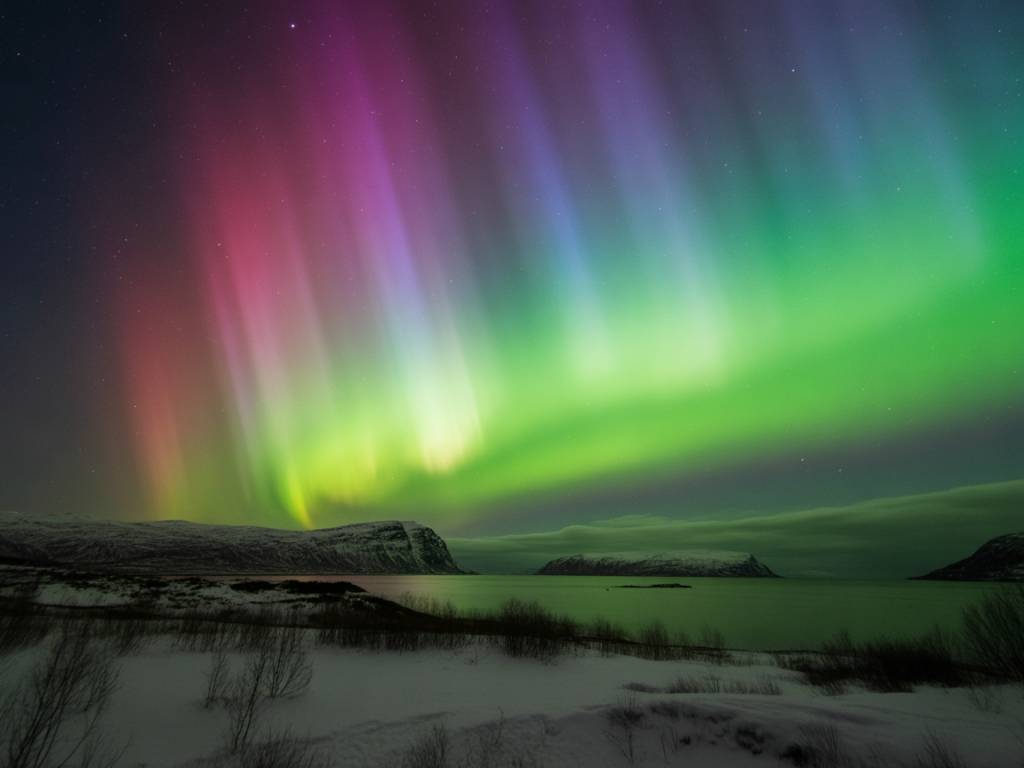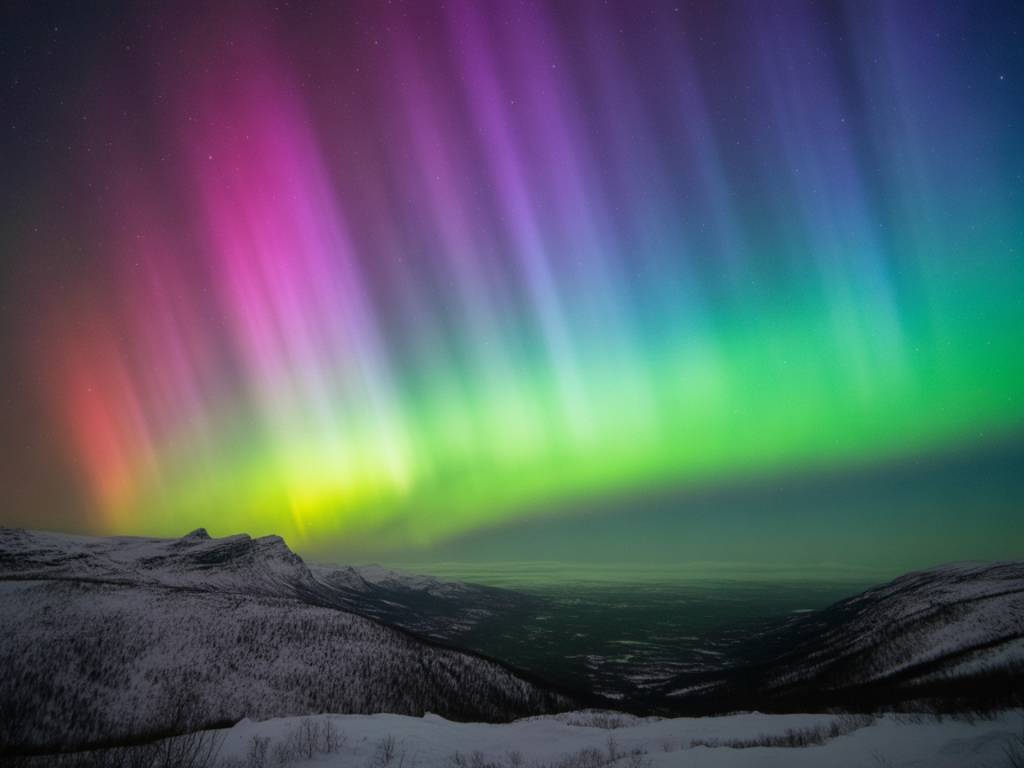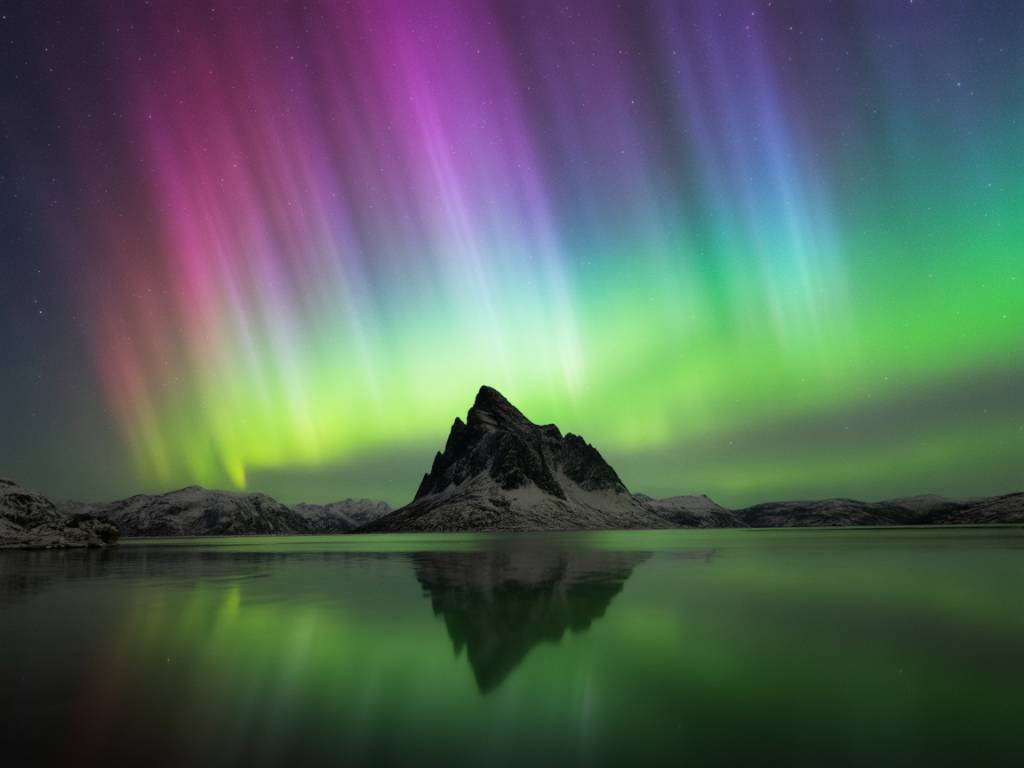

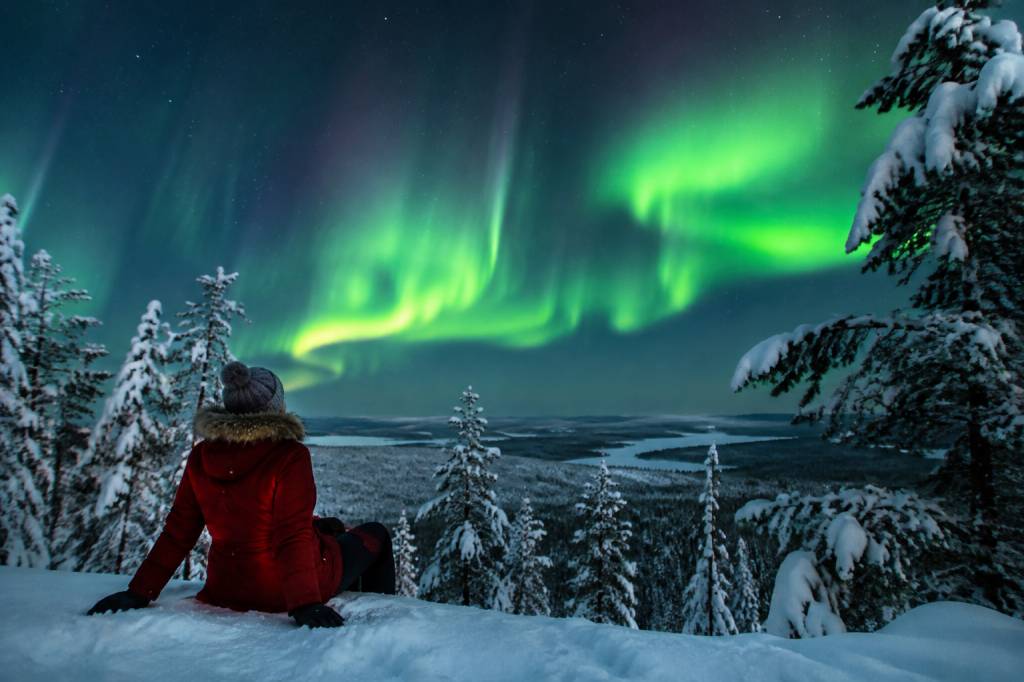
A Finland aurora tour can take you from a city-lit hotel to a dark lakeshore, a snow-covered forest or an open fell in the space of an evening. But no tour can promise northern lights. The best plan is to choose a good base, keep an eye on cloud cover and give yourself more than one night to try.
Finland is a strong choice for an aurora trip because the northern region has long winter nights, plenty of experienced guides and a range of ways to get outside. You can travel by minibus, snowshoe, reindeer sleigh or simply walk from a cabin to a nearby clearing. The right option depends on where you are going, how much time you have and how comfortable you are in the cold.
Where to go for a Finland aurora tour
Most visitors head to Finnish Lapland, north of the Arctic Circle. The main bases include Rovaniemi, Levi, Ylläs, Saariselkä, Inari and Utsjoki. Each has a different balance of transport, services, accommodation and access to dark skies. Do not choose a destination on its northern position alone: a nearby break in the clouds can matter more than another hour of latitude.
-
Rovaniemi: The easiest base to reach, with an airport, train connections and a wide choice of tours. It is a practical first stop, especially for a short trip. The town itself has more light than remote Lapland, so tours generally drive away from the brightest areas when conditions allow.
-
Levi and Ylläs: Good choices if you want to combine aurora hunting with skiing and other winter activities. Ylläs has access to quieter, darker areas, while Levi has a well-developed visitor scene. Both can work well, but snow, cloud and road conditions influence where a guide can go on a given night.
-
Saariselkä and Inari: These are useful bases for travellers looking for a quieter northern Lapland stay. Saariselkä offers services and access to nearby fell scenery. Inari puts you closer to Lake Inari and Sámi cultural experiences, though aurora viewing still depends on local cloud and visibility.
-
Utsjoki: A remote option for travellers prepared to plan carefully. It is far north, but that does not make clear skies automatic. Allow time for travel and check accommodation, transport and tour availability well in advance.
If you have only three nights, Rovaniemi or Levi may make logistics easier. With a longer stay, a more northerly or remote base can be appealing, but it is still worth building flexibility into your schedule rather than treating one particular viewing spot as a guarantee.
When to visit
Aurora season in Finnish Lapland generally runs from late August or September into early April, when nights are dark enough for viewing. Autumn can bring mild conditions and unfrozen lakes, while the deep-winter months offer snowy scenery and long nights. In spring, daylight increases and temperatures may feel less harsh, but there are fewer dark hours than in midwinter.
There is no single “best month” that guarantees a display. Your chances on any night depend on several things lining up: darkness, clear or partly clear skies, auroral activity and a location with a suitable view. Winter is popular, so book accommodation and tours early for holiday periods. If avoiding crowds matters more than peak winter scenery, consider dates outside the busiest weeks.
Plan at least three nights if you can. A longer stay gives you more chances to work around cloud and allows for a quiet night without turning it into a failed trip. Even a good forecast describes potential, not a scheduled light show.
How to read the aurora forecast
Aurora forecasts can look more complicated than they need to be. Three factors are especially useful for a traveller: cloud cover, darkness and auroral activity. Start with the clouds. If thick cloud covers your viewing area, a high activity reading will not help much. A clear patch nearby may be a better target than a stronger forecast under solid cloud.
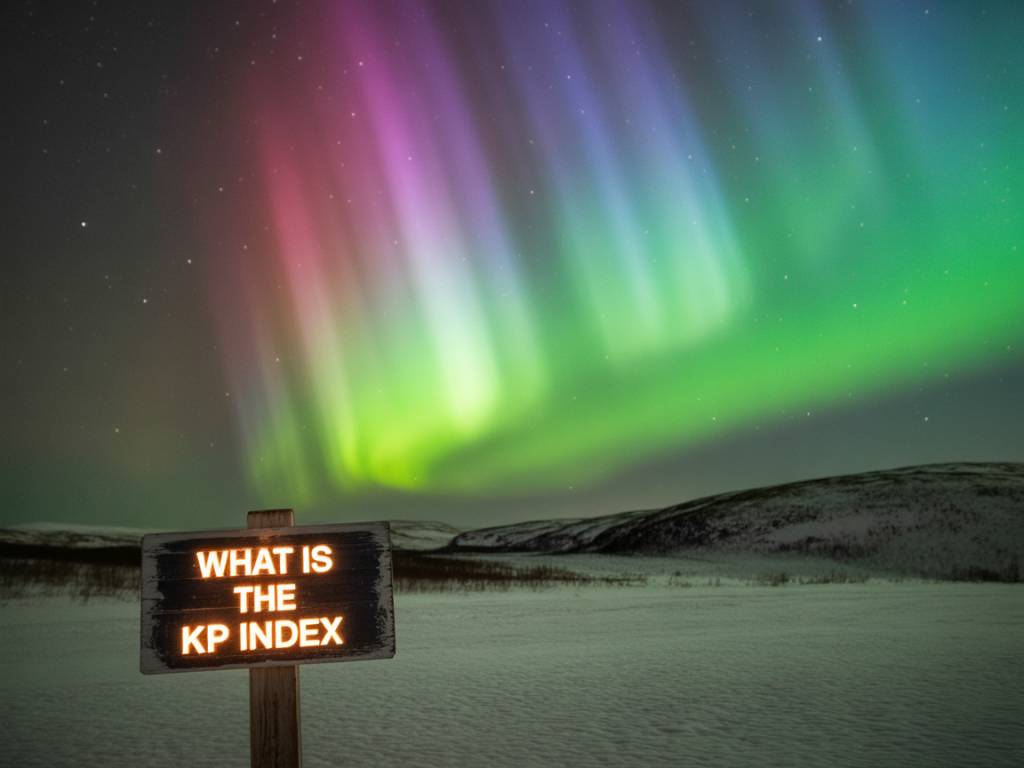
The KP index is a broad measure of geomagnetic activity. It can help describe how active the aurora may be, but it is not a local visibility score. A modest display can still be visible in Finnish Lapland, and a high KP number does not guarantee a bright show at your exact location. Treat short-term forecasts as changing guidance, not a promise.
Check the forecast on the day of your tour, then listen to your guide’s local assessment. Guides may compare cloud maps, live conditions and road access before choosing a destination. That practical decision can be more useful than chasing the highest number on an app.
What happens on an aurora tour
Most tours begin in the evening, often with a hotel pickup or a meeting point in town. The guide checks the weather and selects a viewing area. That might mean a short drive to a lakeshore or open field, or a longer outing if the nearest skies are cloudy and road conditions permit.
At the site, you may wait outside for part of the evening. Some tours provide warm drinks, snacks, a fire or thermal clothing; others expect you to bring your own. Read the inclusions carefully. “Aurora tour” can describe anything from a minibus trip with a guide to a full-night snowmobile excursion, and the price does not always tell you what is included.
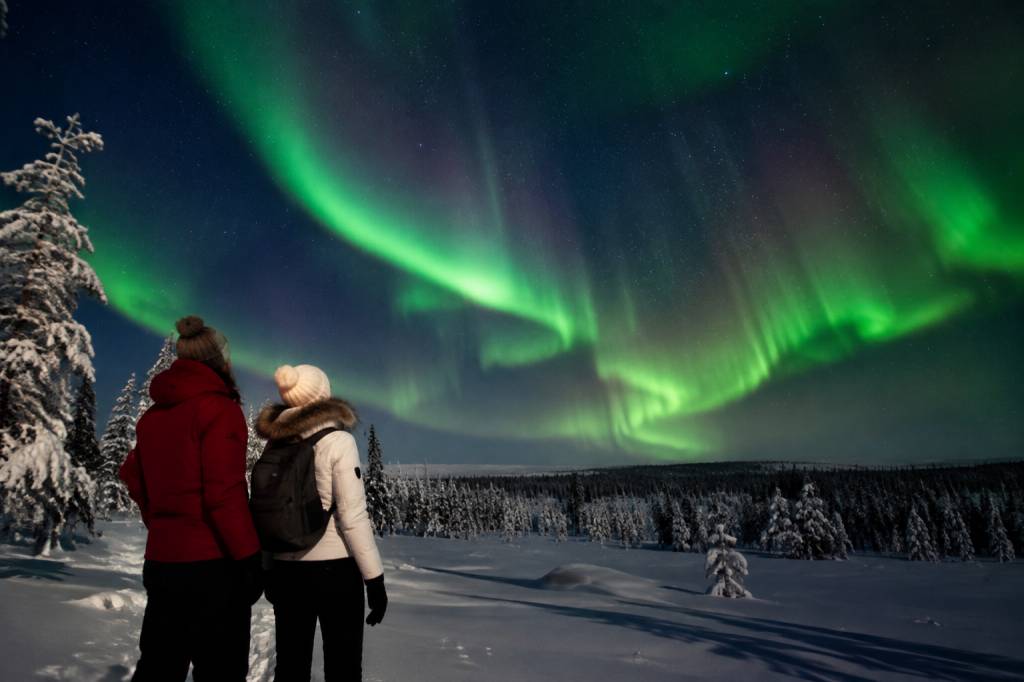
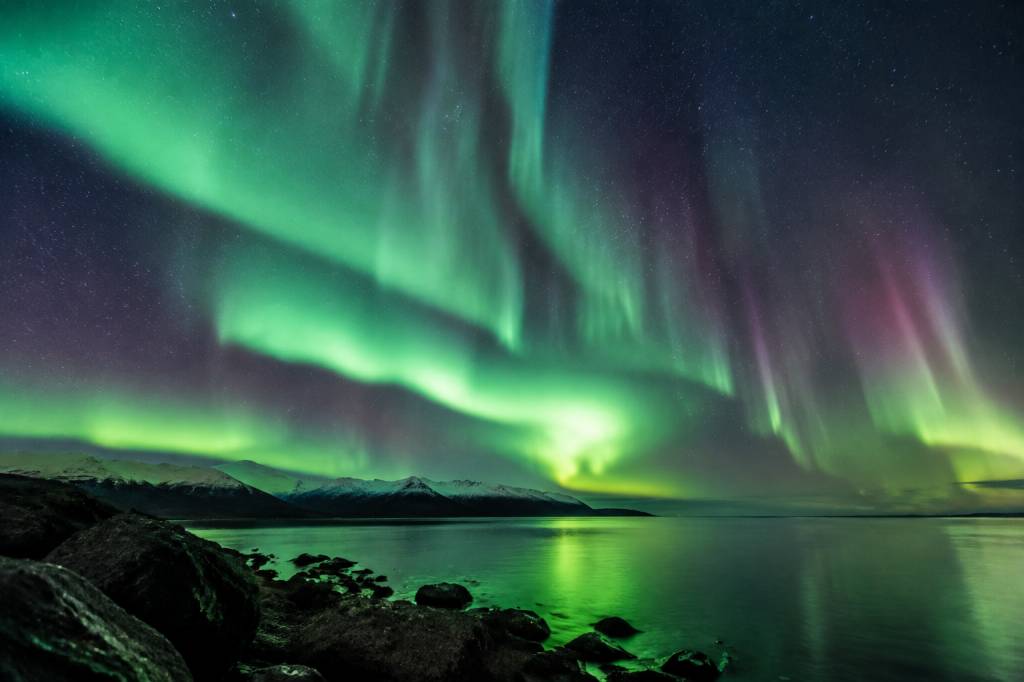
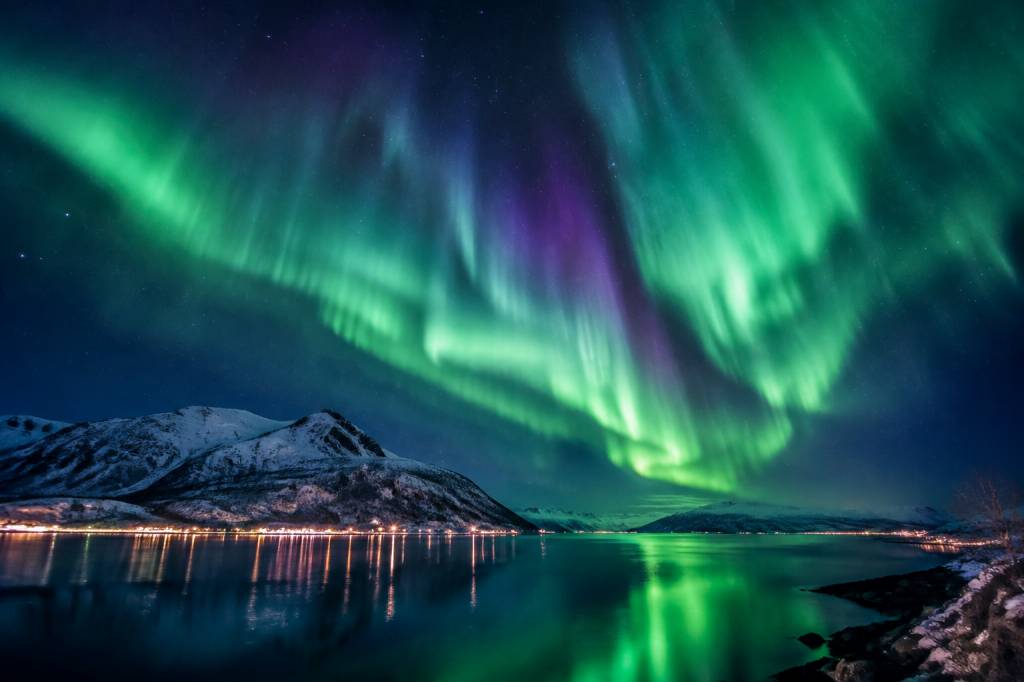
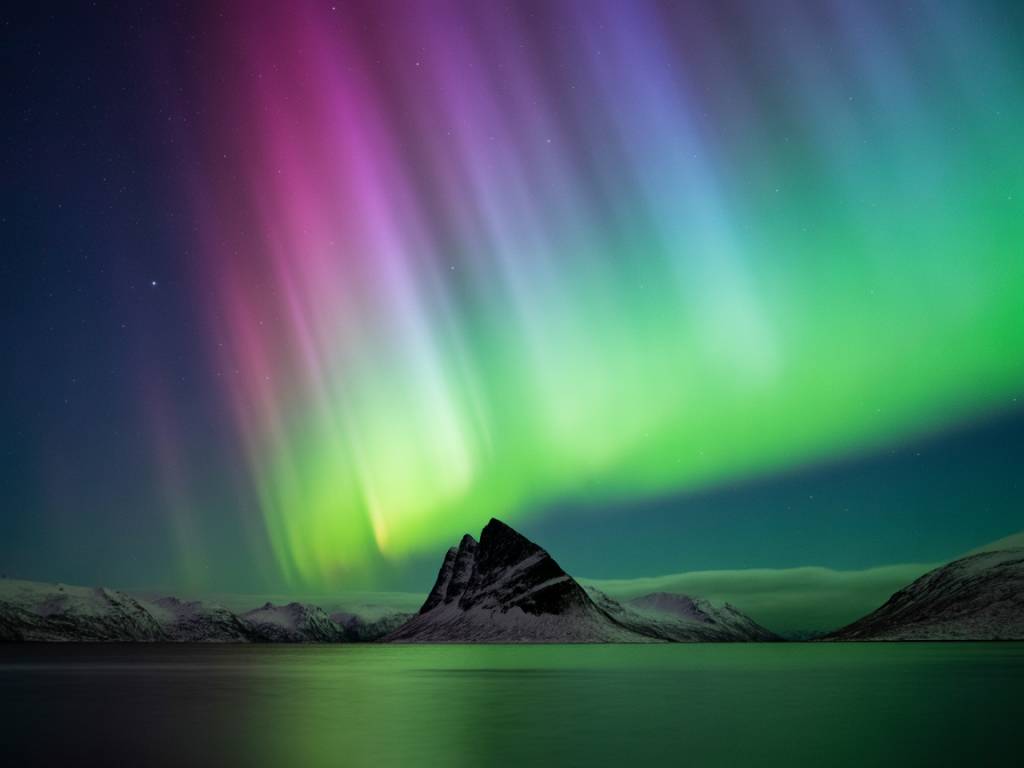
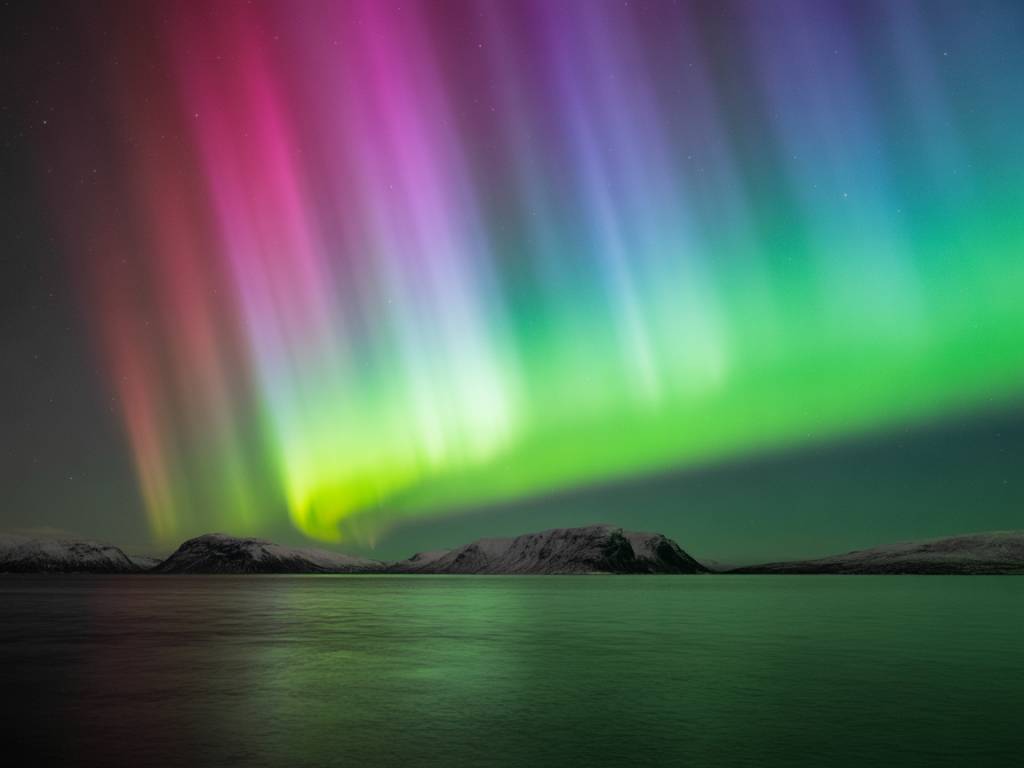
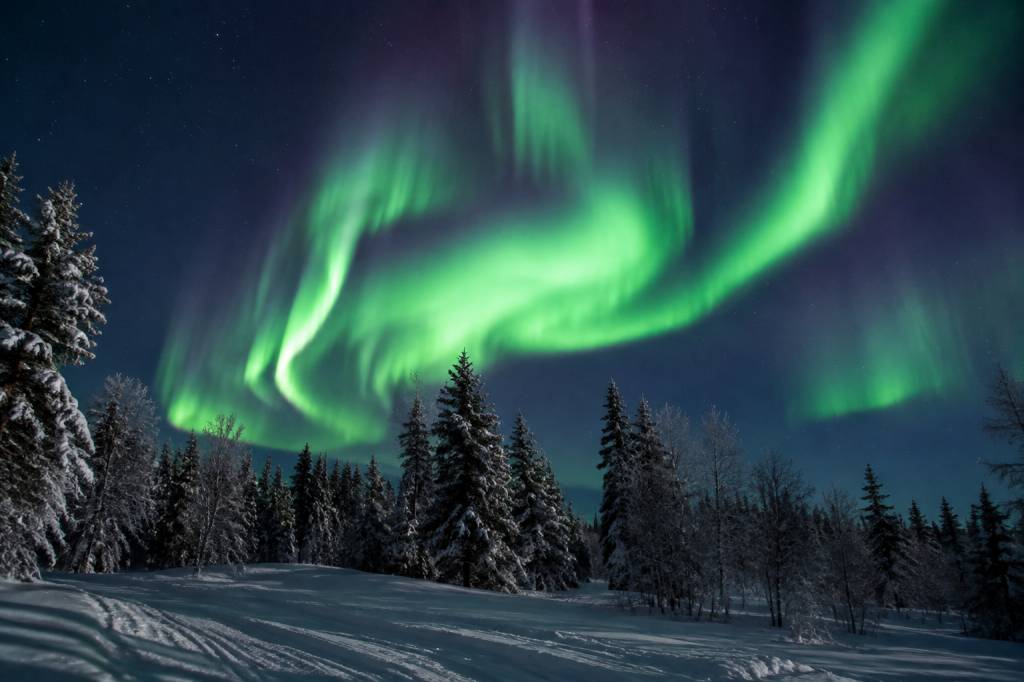
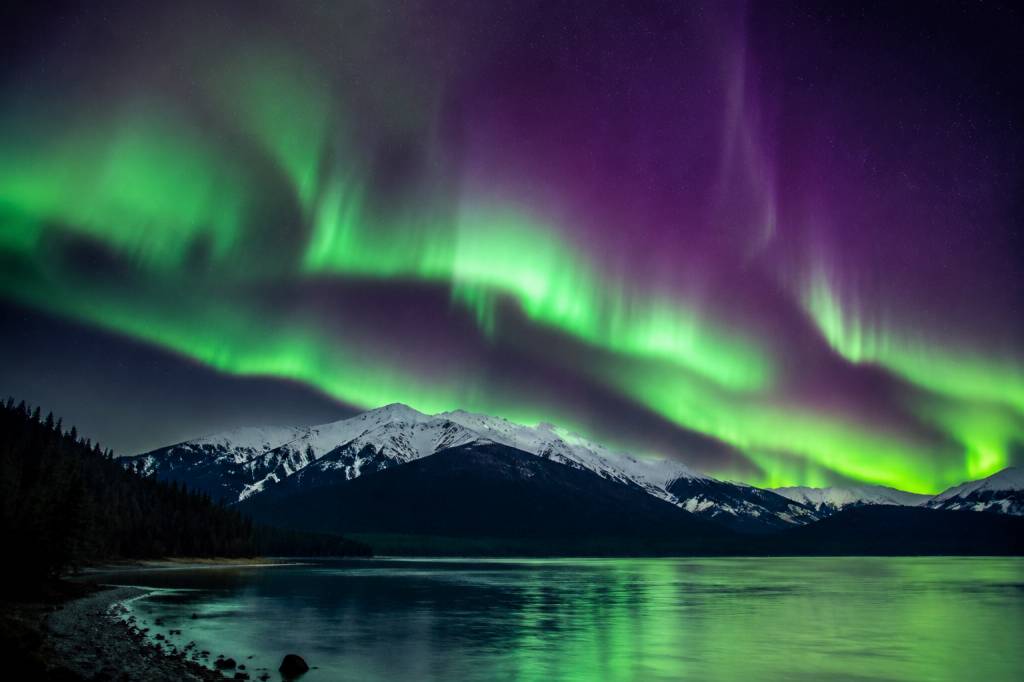
Displays can change quickly. You might see a pale green arc low on the horizon, then a brighter curtain that shifts and folds overhead. At other times, the sky stays quiet. A guide can help interpret what is happening, but even an experienced local cannot control the clouds or the solar activity.
One useful question to ask before booking is: “What is your plan if it is cloudy at the first stop?” Look for a clear answer about monitoring conditions, possible alternative locations, tour duration and whether the guide will make a reasonable effort to find clearer skies. No operator can drive through every cloud system, but a sensible plan matters.
Choosing the right tour style
A minibus or small-group van tour is usually the most flexible option for following clear patches, provided roads are safe. It is also easier to manage if you want to stay warm between stops. Check the group size and maximum driving time; long transfers can reduce the time you spend observing.
A snowshoe outing is slower and can be rewarding if your accommodation is near a suitable dark area. It is not the best choice if you want to cover a wide region in search of clearer weather. Reindeer sleigh and husky experiences combine aurora viewing with an activity, but animal tours follow their own routes and schedules. Ask whether the main focus is the ride or actively searching for open skies.
For a photography-focused trip, check whether the guide helps with camera settings and allows time to set up a tripod. A phone can capture bright displays, but a camera with manual controls and a wide-angle lens gives you more options. If the tour is primarily an activity package, do not assume it includes photography instruction.
What to wear and bring
Cold feels more intense when you are standing still and waiting. Dress for the forecast at the viewing location, not just the temperature outside your hotel. Several dry layers are easier to adjust than one heavy layer, and warm feet and hands make a long wait much more comfortable.
-
Wear a warm base layer, an insulating middle layer and a wind-resistant outer layer.
-
Choose insulated boots with room for thick socks. Tight footwear can make cold feet worse.
-
Bring warm mittens, a hat that covers your ears and spare glove liners if you have them.
-
Pack hand warmers, a charged phone and a small headlamp with a red-light setting if available.
-
For photography, bring a tripod, spare batteries and a way to keep batteries warm. Cold drains them faster.
Some tours lend insulated suits or boots, but confirm sizes and availability before you travel. Do not rely on borrowed outerwear to replace warm base layers. If you are unsure what is provided, ask the operator directly.
Getting a good photograph without missing the sky
Set up your camera before the display becomes active. A tripod is essential for longer exposures, and a wide lens helps include both the lights and the landscape. Start with manual focus, then check focus on a bright star or a distant light. Exact exposure settings vary with your camera and the brightness of the aurora, so take a test shot and adjust.
Keep spare batteries in an inside pocket and use them in rotation. A phone may struggle in very cold conditions, so keep it warm and avoid leaving it exposed between photos. Most importantly, look up regularly. It is easy to spend an entire display checking a screen that cannot reproduce the movement or scale of the real sky.
Safety and practical planning
Lapland’s winter roads can be icy, dark and unfamiliar. If you are driving yourself, check local road conditions, allow extra time and use a vehicle equipped for winter travel. Never stop in an unsafe place or walk onto a frozen lake unless local guidance confirms it is safe. Ice thickness and conditions can vary, even across one body of water.
Follow your guide’s instructions around roads, snowmobiles, animals and frozen terrain. Tell the operator in advance about mobility needs, children in your group or medical concerns that could affect a cold-weather outing. A tour that is safe and comfortable for one traveller may not suit another.
Also check what happens if the tour is cancelled because of dangerous conditions. Cancellation policies differ, and a cloudy night is not always treated the same way as a safety cancellation. Read the terms before paying, particularly if your travel dates are fixed.
Setting realistic expectations
The aurora is a natural phenomenon, not a performance with a start time. You may see a bright, moving display. You may see a faint band that is easier to notice in a photograph. And some nights, cloud or low activity will keep the sky quiet.
That uncertainty does not make a Finland aurora tour a poor choice. It is a reason to plan the whole trip well. Choose a base that fits your travel style, stay several nights if possible, dress for long periods outside and book a tour with a clear weather plan. If the lights do not appear, Lapland still offers winter landscapes, local food, saunas and outdoor activities worth the journey.
Before you book, check three things: how many nights you have, how far you are willing to travel after dark, and what the operator does when the forecast changes. Get those decisions right, and you will spend less time refreshing an app and more time ready when the sky finally opens.